In a nutshell
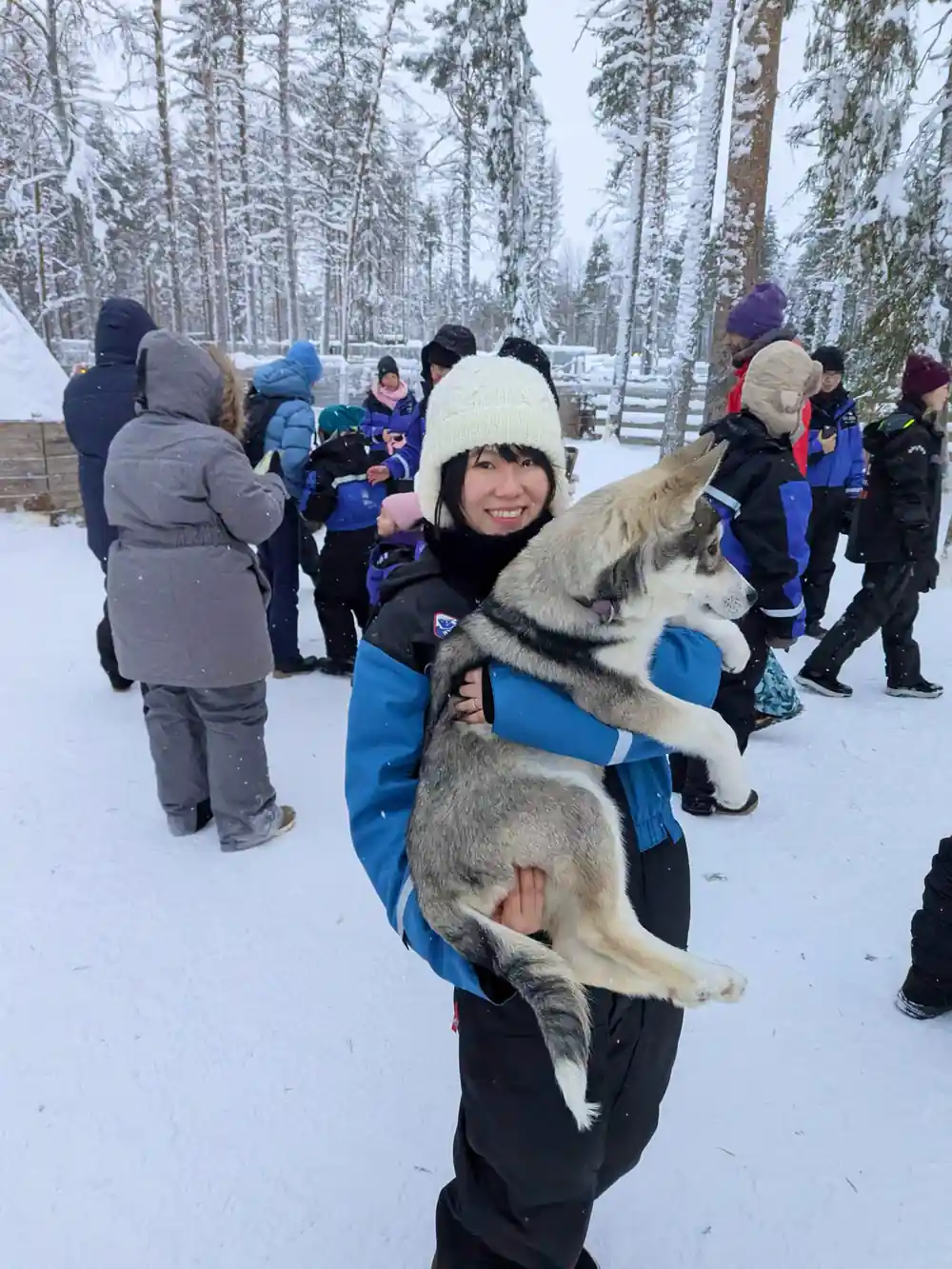
- The resort supplies a complete thermal outfit: thermal overalls, insulated boots, woolen socks, and mittens. You wear these over your own base layers.
- Wear warm long underwear, a fleece or wool mid-layer, and a long-sleeved top underneath your thermal suit. Avoid cotton; choose merino wool or synthetic fabrics.
- Expect conditions around minus 20 degrees Celsius. The Apukka-supplied gear and proper layering keep you comfortable even in extreme cold during your 6 km ride.
- Thermal boots and mittens come in multiple sizes to fit adults and children. Ask the staff to ensure your gear fits snugly to prevent heat loss at your extremities.
- Bring your own warm hat and a balaclava or neck gaiter to protect exposed skin. Mittens provided by Apukka cover your hands; tuck your scarf inside your thermal overall.
What Apukka Provides: The Thermal Overall
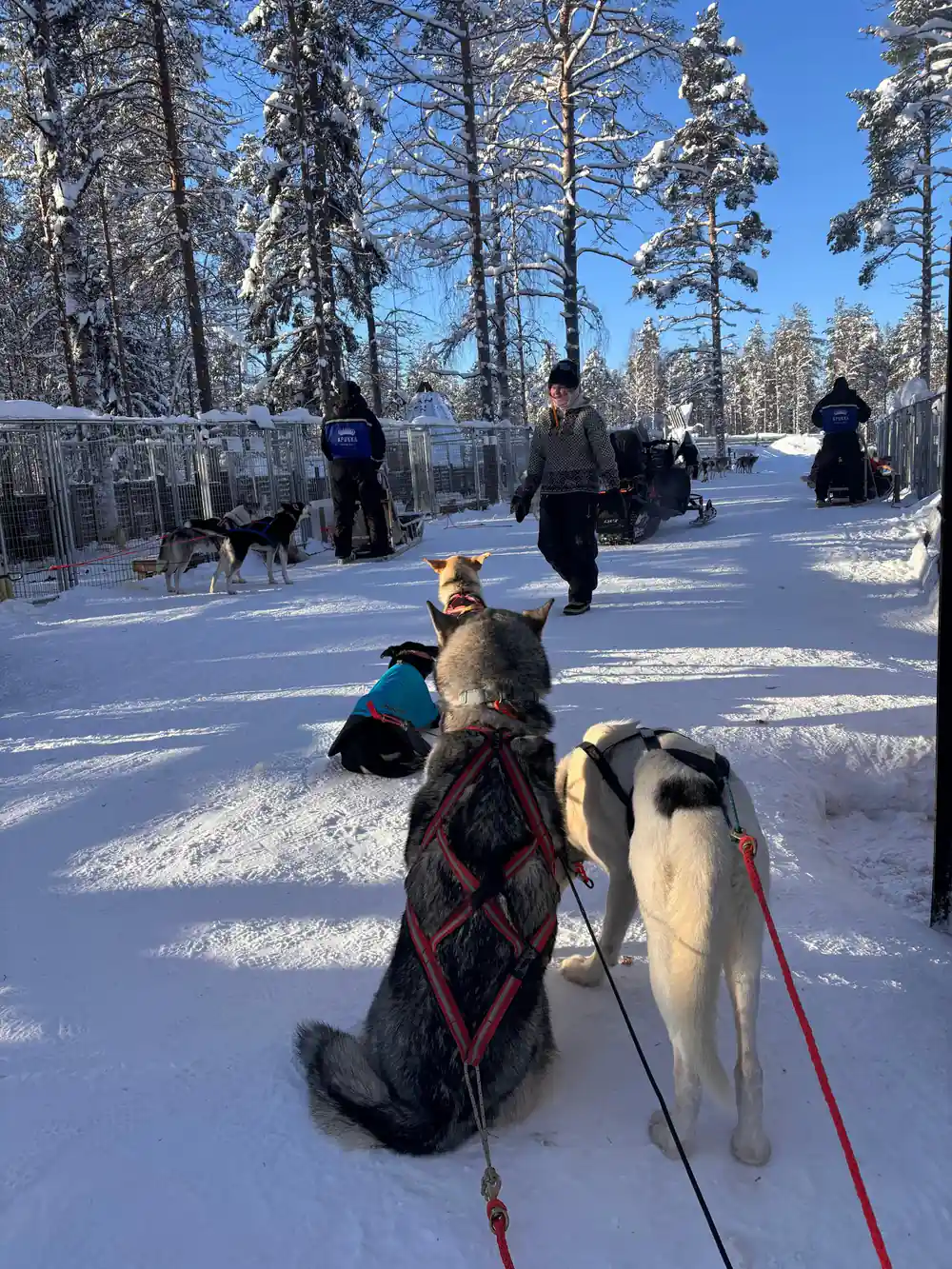
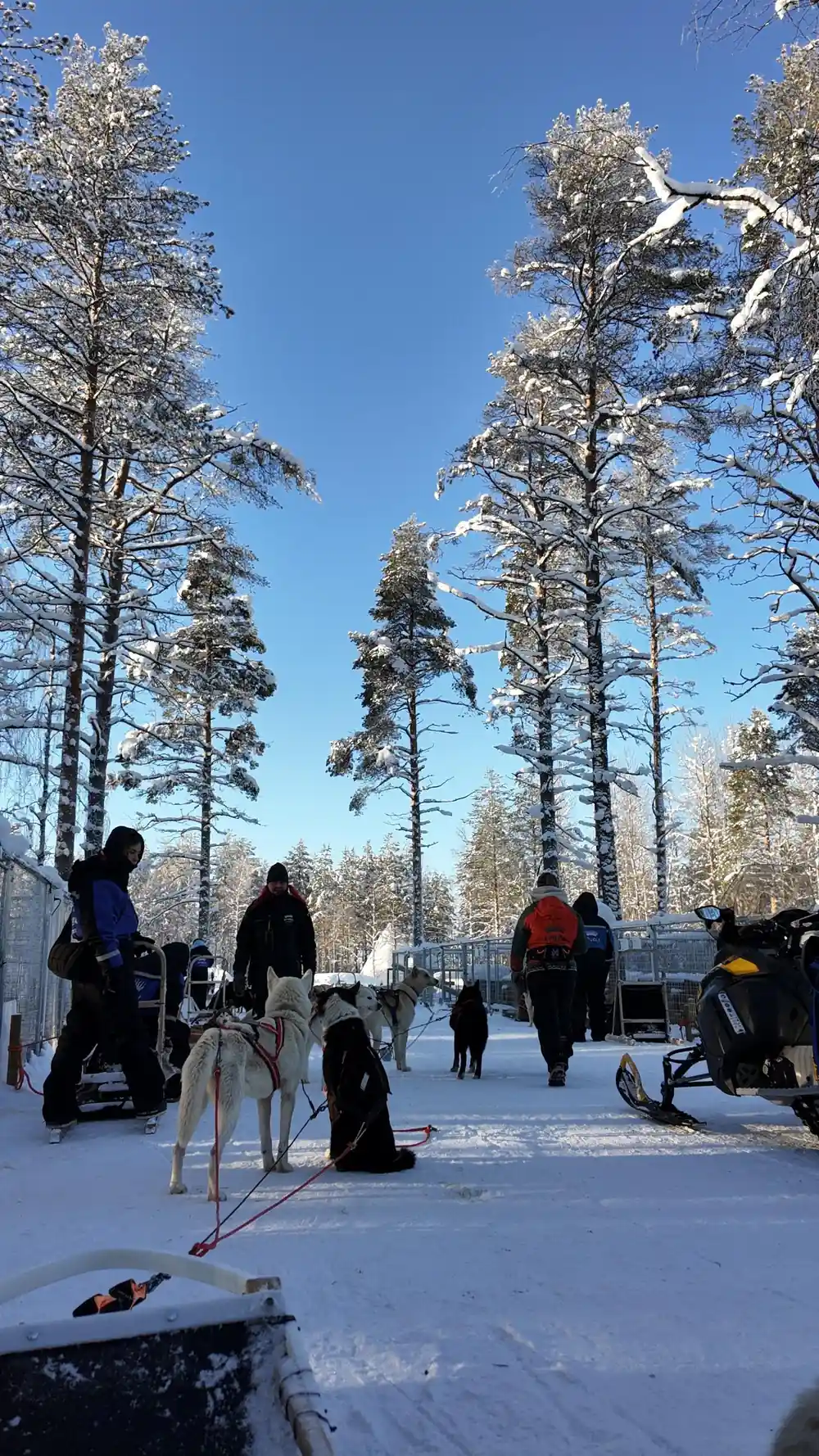
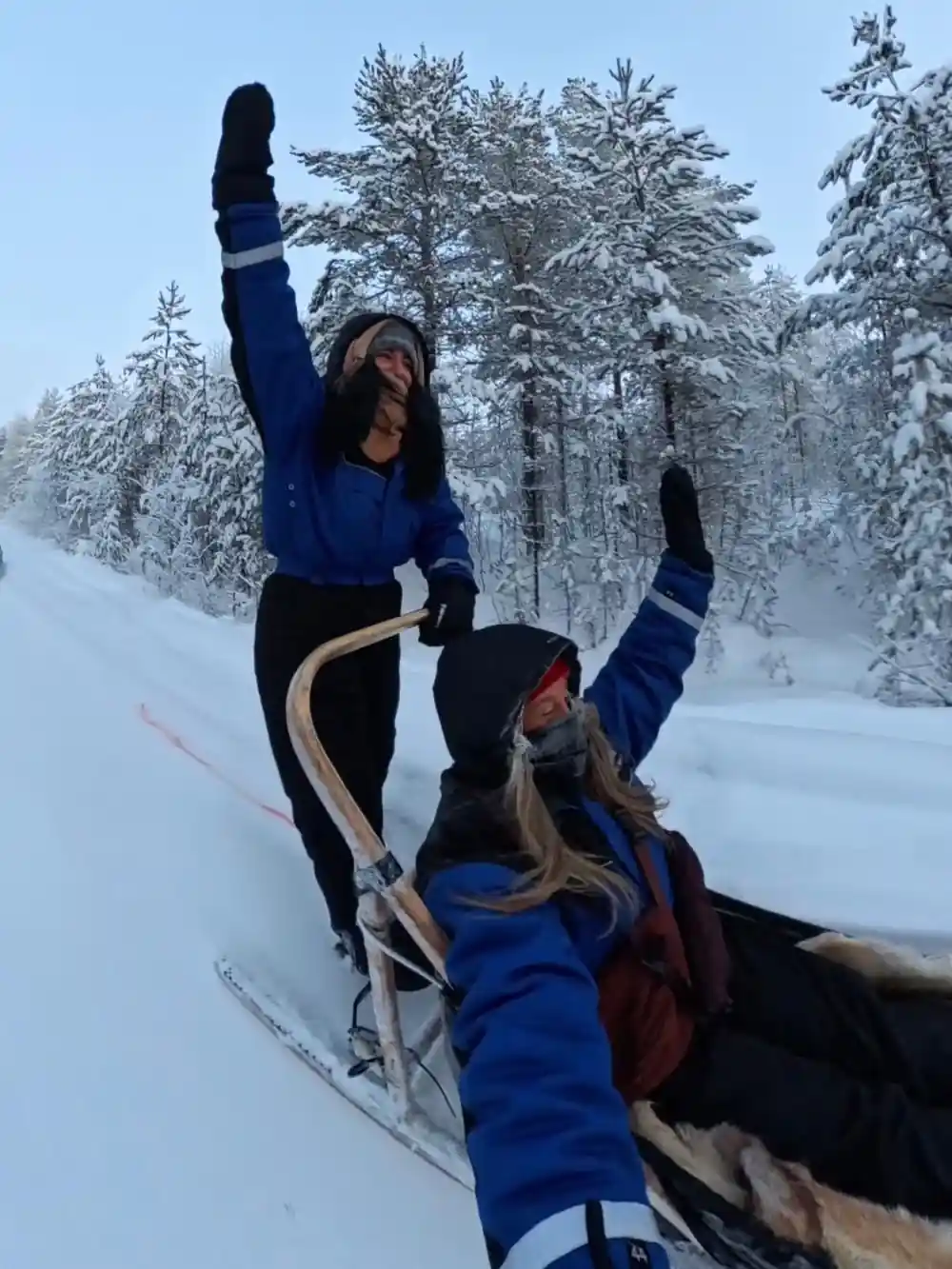
Apukka supplies a complete thermal overall designed to trap warmth while you guide your husky team across the snowy landscape. This one-piece suit covers your torso and legs, creating an insulating layer between you and the Arctic air. The overall is engineered for mushing, meaning it allows enough freedom of movement to handle the reins and shift your weight on the sled without restriction. Because you'll be standing on a moving sled for the duration of your 6 km journey, the overall's fit matters: it should be snug enough to seal in heat but loose enough to accommodate thick layers underneath.
The thermal overall is made from materials that repel moisture and wind, two factors that drain body heat faster than cold alone. During your 3 hour and 30 minute experience, you're exposed to the elements continuously, so this outer layer does the heavy lifting. Apukka sizes these overalls to fit most adult body types, though you should communicate your size when you arrive at the resort so staff can select the right fit before you begin dressing.
Boots, Mittens and Making Sure They Fit
Thermal boots and woolen mittens come as part of your kit. The boots are insulated and waterproofed to handle wet snow and standing still for extended periods, keeping your toes functional when temperatures drop toward minus 20 degrees Celsius. Your feet generate a surprising amount of heat when you're working, but since you're standing rather than walking, the boot's insulation becomes your main defense. Mittens work better than gloves for extreme cold because they keep your fingers grouped together, sharing warmth; Apukka's woolen mittens have enough dexterity built in to let you adjust reins or hold a camera without removing them entirely.
Sizing is handled on arrival. Staff will check that your boots have room for thick socks without being so loose they create air pockets that reduce warmth. Mittens should cover your wrists and allow your hands to move freely inside. If you have unusually small or large hands or feet, mention this when booking or upon arrival so Apukka can prepare appropriately sized equipment. Woolen socks are provided to layer inside the boots; do not wear cotton socks, as cotton absorbs moisture and loses insulating power when wet.
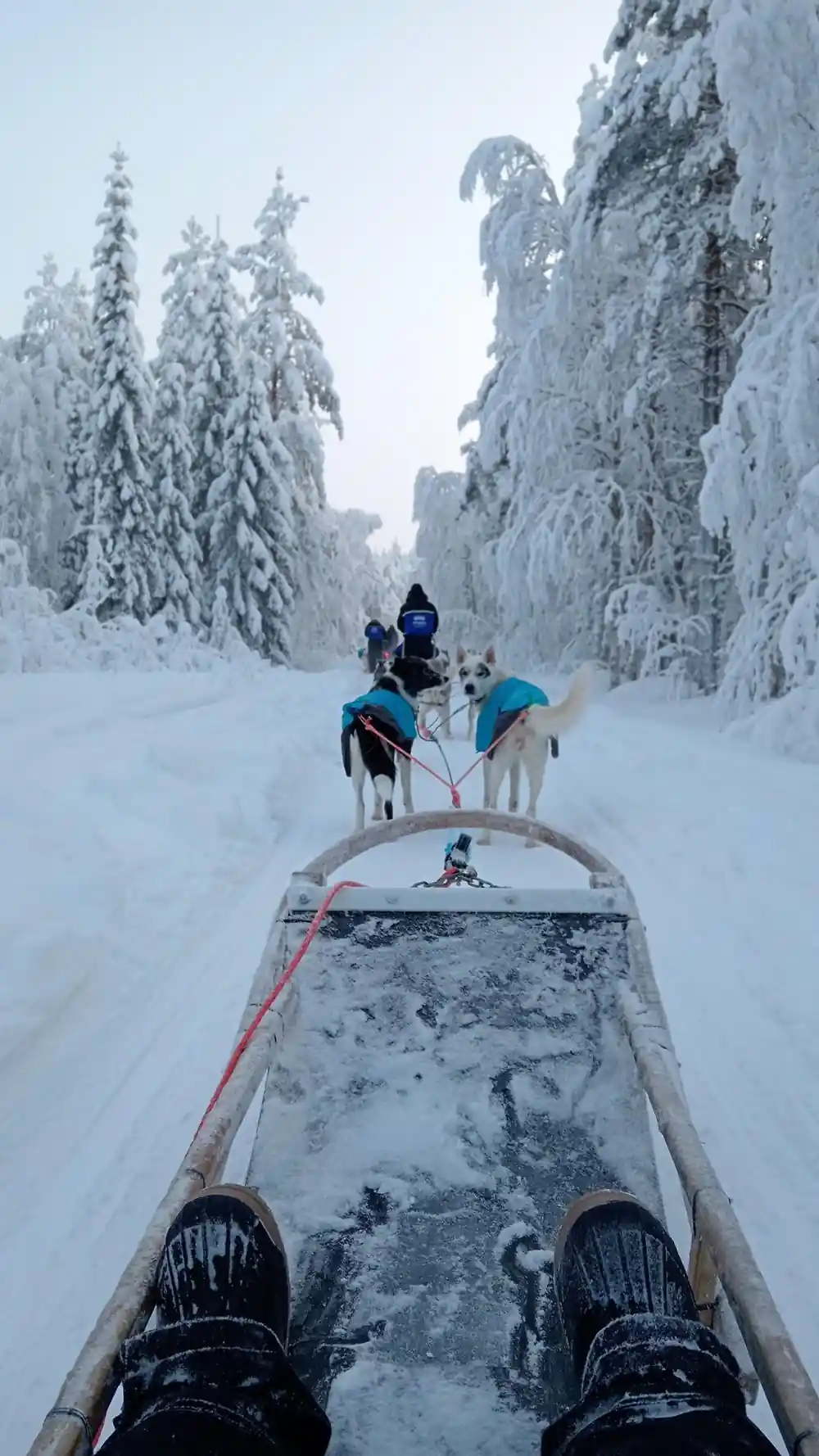
Guest in full Apukka thermal kit: overall, boots, socks, mittens
Base and Mid Layers: What You Need to Bring
Apukka's thermal overall and boots handle the outer shell, but what you wear underneath is equally critical. Start with a moisture-wicking base layer, typically made from merino wool or synthetic materials like polyester. Cotton absorbs sweat and cold air, so avoid it entirely. Your base layer should cover your arms, torso, and legs. On top of that, add a mid-layer such as a fleece jacket or wool sweater. This layer traps air and provides most of your insulation. The combination of base layer, mid-layer, and the provided thermal overall creates the three-layer system that keeps you warm while standing still on a sled in subzero conditions.
Bring two complete sets if possible, or at minimum change your base layer between days if you're doing multiple tours. Sweat from exertion or nerves will dampen your base layer, and damp clothing loses its insulating properties rapidly. Pack your layers in a bag you can access at Apukka before you suit up. Staff will direct you to a changing area where you can organize your clothing. The mid-layer should be snug but not restrictive; you need to be able to bend your elbows fully to handle the reins and shift your balance.
Head, Face and Neck Protection in Extreme Cold
Your face and head lose heat continuously, and at minus 20 degrees Celsius, exposed skin can develop frostbite within minutes. You'll need a warm hat that covers your ears completely. A balaclava or neck gaiter is essential; it covers your mouth, nose, and neck while you're moving through cold air at speed. The thermal overall has a collar, but it won't protect your face fully. Many mushers prefer a balaclava that can be pulled up over the nose and mouth during the most exposed sections of the trail, then lowered slightly when you need to speak or breathe more easily.
Your goggles or regular glasses will fog if warm breath reaches the lenses. A balaclava actually helps here: it channels breath away from your face rather than straight up toward eyewear. Choose a winter hat with good insulation and a brim or visor that keeps wind and snow out of your eyes. If you wear prescription glasses, consider bringing a ski goggle insert or asking about anti-fog solutions before you depart. A scarf worn over your balaclava adds another layer of wind protection and can be adjusted throughout the ride.
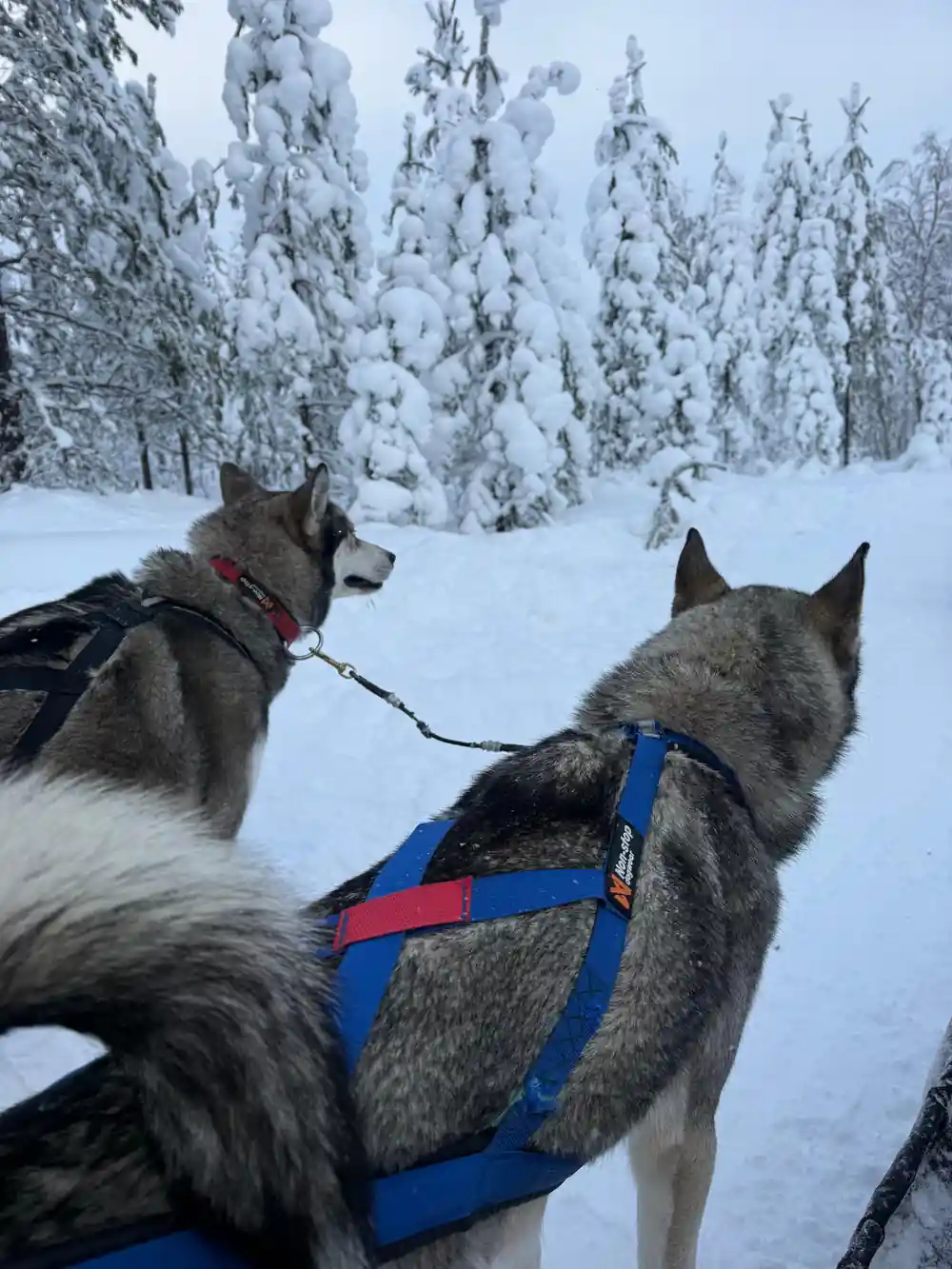
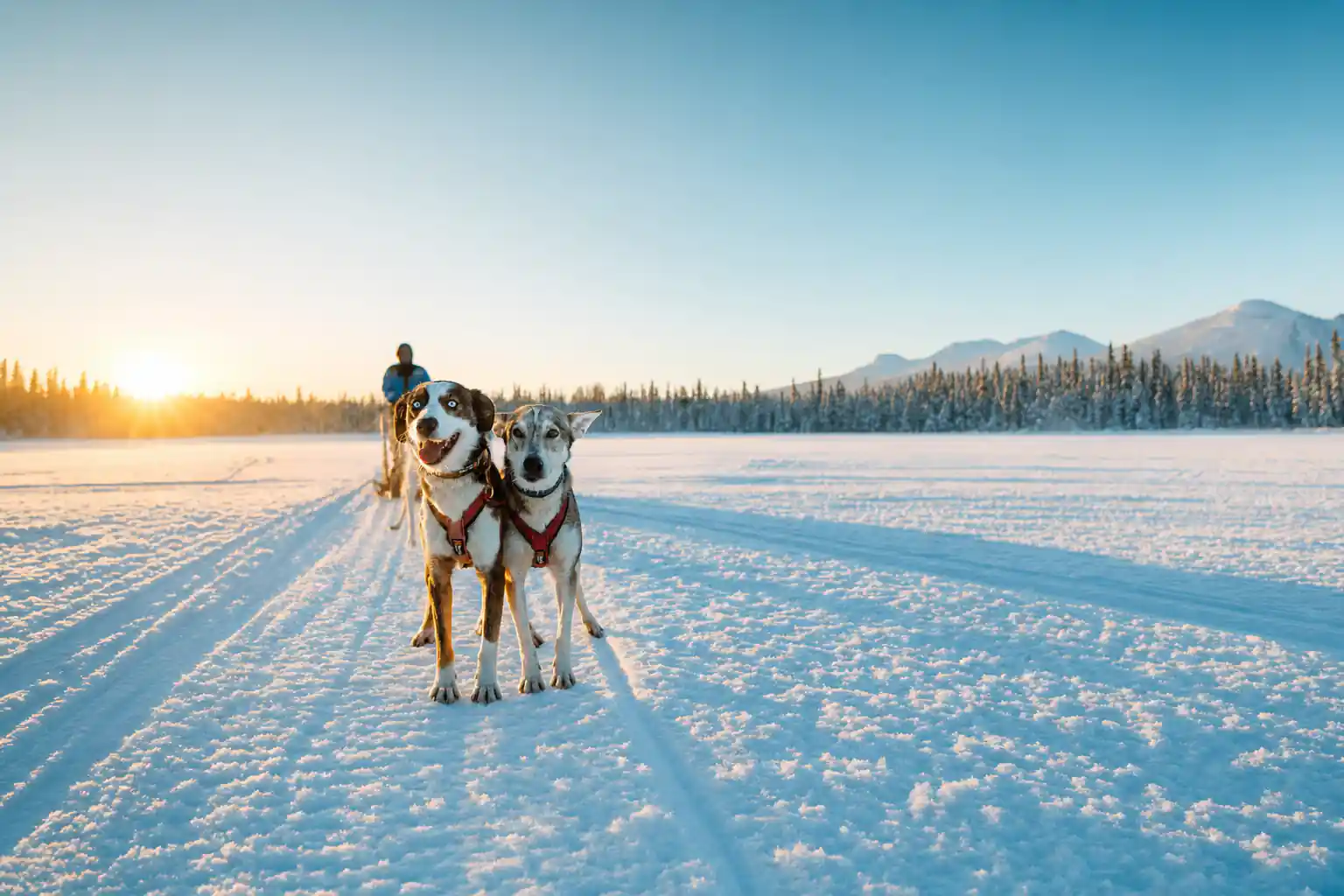
Keeping Glasses Clear and Vision Unobstructed
Fogged or frozen lenses will ruin your view of the landscape and your ability to see the huskies ahead. The key is preventing warm, moist air from your breath from hitting the glass. An anti-fog coating or spray, applied before you leave Rovaniemi, buys you some time. Alternatively, wear your balaclava positioned so that exhaled breath goes down and away from your face rather than up toward your eyes. Some experienced cold-weather athletes use a thin piece of fabric or a neck gaiter to create a barrier between mouth and lenses.
If you wear prescription glasses, ask Apukka about their experience with winter eyewear before your tour. Sunglasses or photochromic lenses work well because snow reflects intense light even on overcast Arctic days, and darker lenses reduce glare. Keep a microfiber cloth in an inside pocket of your thermal overall; you can quickly wipe lenses during brief stops. Remove your glasses for just a few seconds when the temperature shock would cause fogging, and dry them before putting them back on. Planning this ahead prevents frustration once you're standing on a sled.
Electronics in Extreme Cold: Phone and Camera Battery Life
Your smartphone's battery will drain faster in cold than it does at home. At minus 20 degrees Celsius, lithium batteries lose efficiency, and a phone with 50 percent battery at room temperature might show 10 percent after 30 minutes outside. Keep your phone in an inside pocket close to your body where your own warmth provides some protection. Remove it only when necessary to take a photograph. If you're bringing a dedicated camera, the same principle applies: keep it warm and dry until the moment you use it. Many operators suggest leaving phones in a bag at the resort and relying on the resort's official photography, or using only a camera designed for extreme cold photography.
Turn off features like Bluetooth, GPS, and high screen brightness before you venture onto the trail. These drain battery and generate no heat to offset the cold's effect. Pack an external battery pack inside your thermal overall as backup; the insulation of your body will slow its battery drain significantly. If your hands are gloved, you won't be able to operate a touchscreen easily anyway, so minimize fiddling with devices and simply enjoy the experience. Apukka and other tour operators can advise on photography policies when you book or arrive.
What Happens to Your Coat and Belongings During the Ride
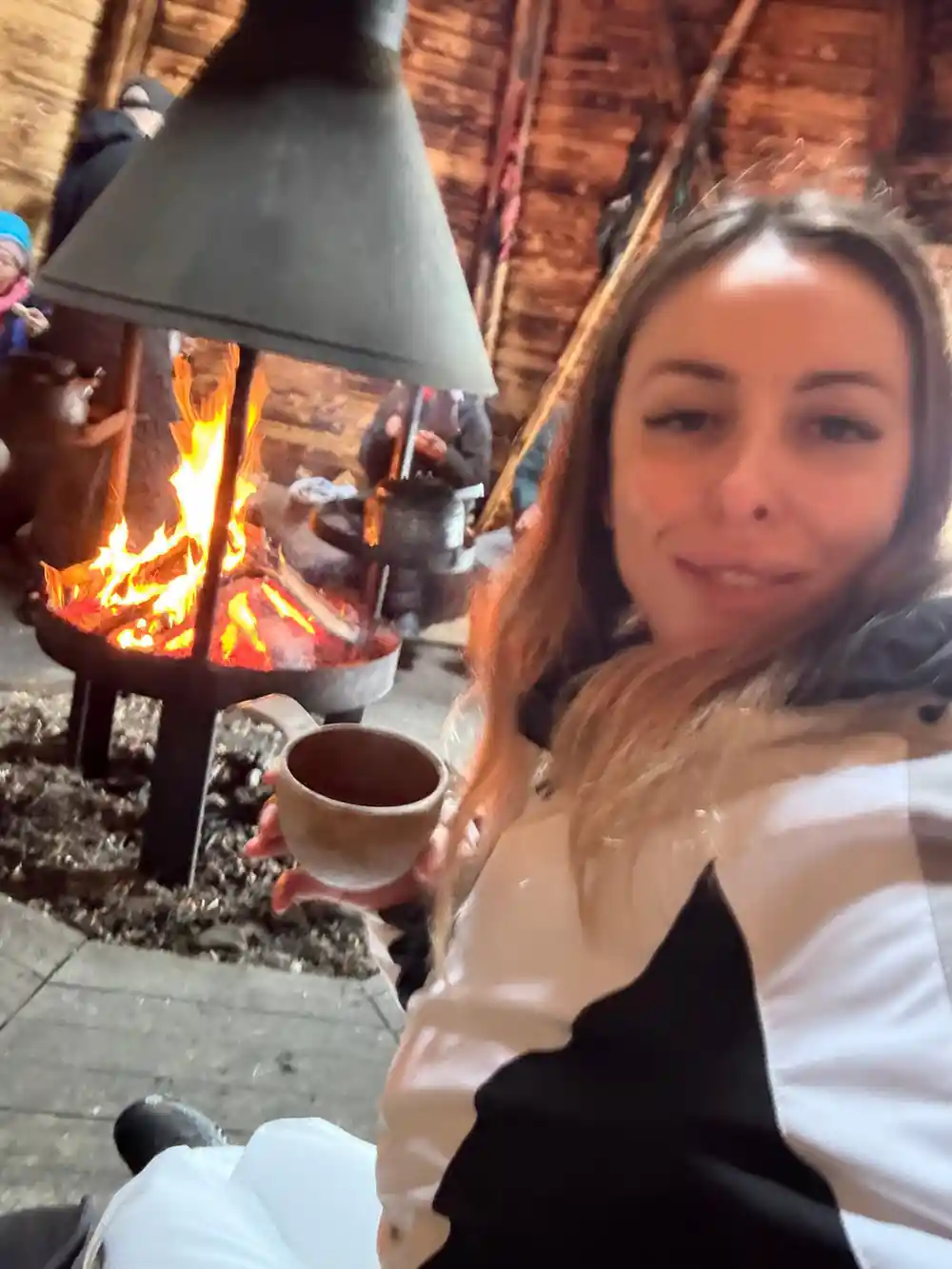
You won't wear your regular winter coat during the husky ride because you'll be fully dressed in Apukka's thermal overall. Before you head out to the sleds, you'll change into your tour kit in a changing area at the resort. Your own coat, bag, and personal belongings stay at Apukka in a secure location, usually in a locker or storage area. Ask staff exactly where to store your items and whether they'll remain accessible if you need something during a break. Most tours of this length include at least one stop where you can remove your mittens briefly and have a hot drink, so knowing where your belongings are stored gives you peace of mind.
Wear minimal jewelry and avoid loose items in your pockets. Anything not secured could be lost on the sled or trail. Your thermal overall typically has pockets, but they're small; use them only for essential items like tissues or a microfiber cloth for glasses. Leave valuables in your accommodation rather than at the resort if possible. Apukka provides secure storage, but streamlining your carried items reduces distraction. Focus on the experience itself: the rhythm of the huskies, the silence of the snow, and the pure novelty of commanding your own team across the Arctic wilderness.
Ready to mush? Book your husky adventure
from US$253Reserve now & pay later
What's provided
- Thermal overalls
- Insulated boots
- Mittens
- Woolen socks
- Hot drink
Trail conditions
- Distance6 km
- Experience levelSelf-driven
- SeasonWinter
- Total time3 hours 30 minutes