In a nutshell
- Apukka Resort husky farm relies on Siberian and Alaskan huskies, bred for endurance and their natural love of running in harness teams.
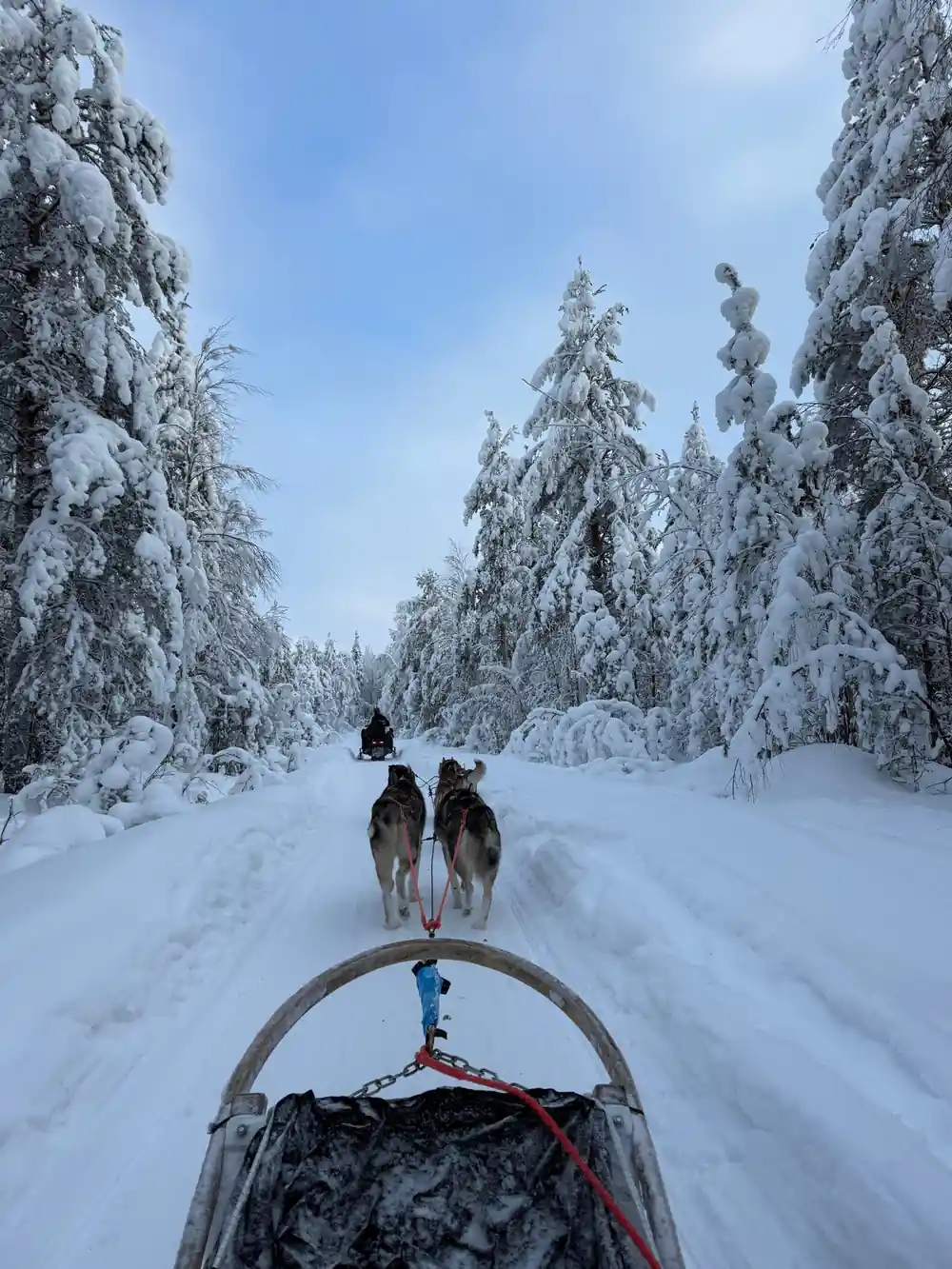
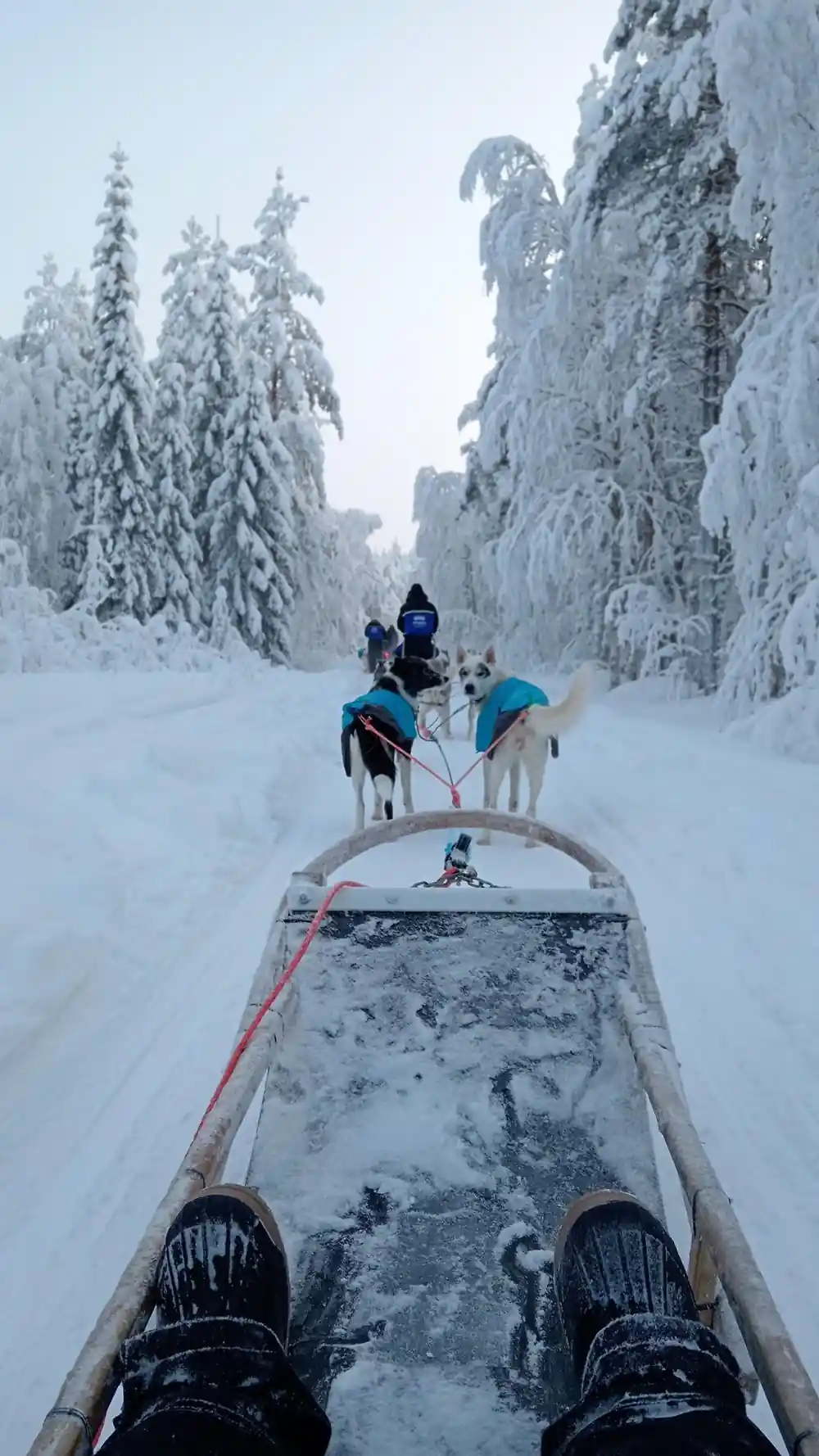
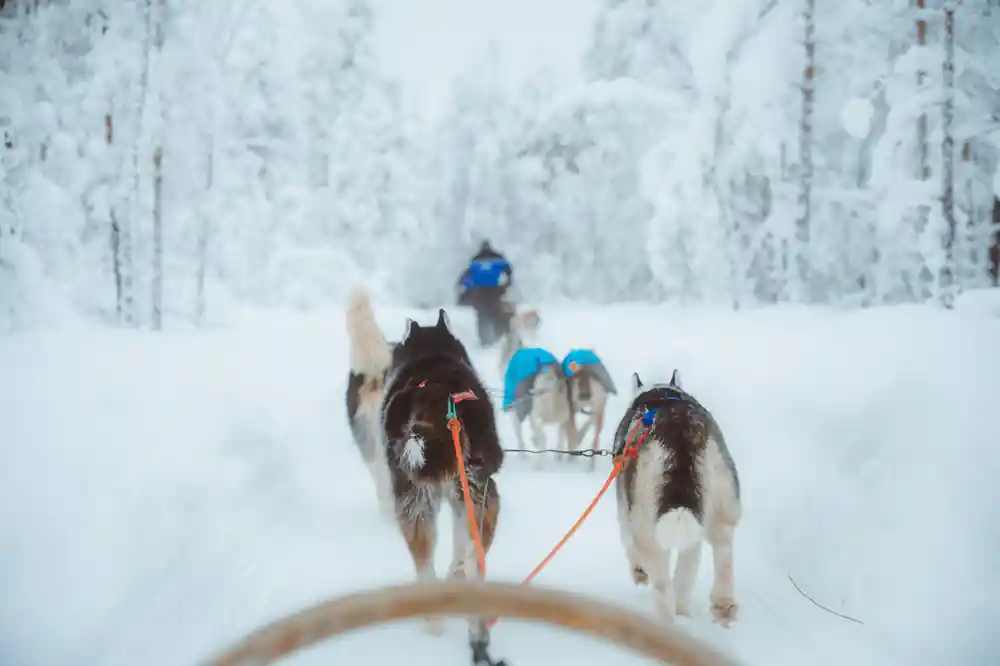
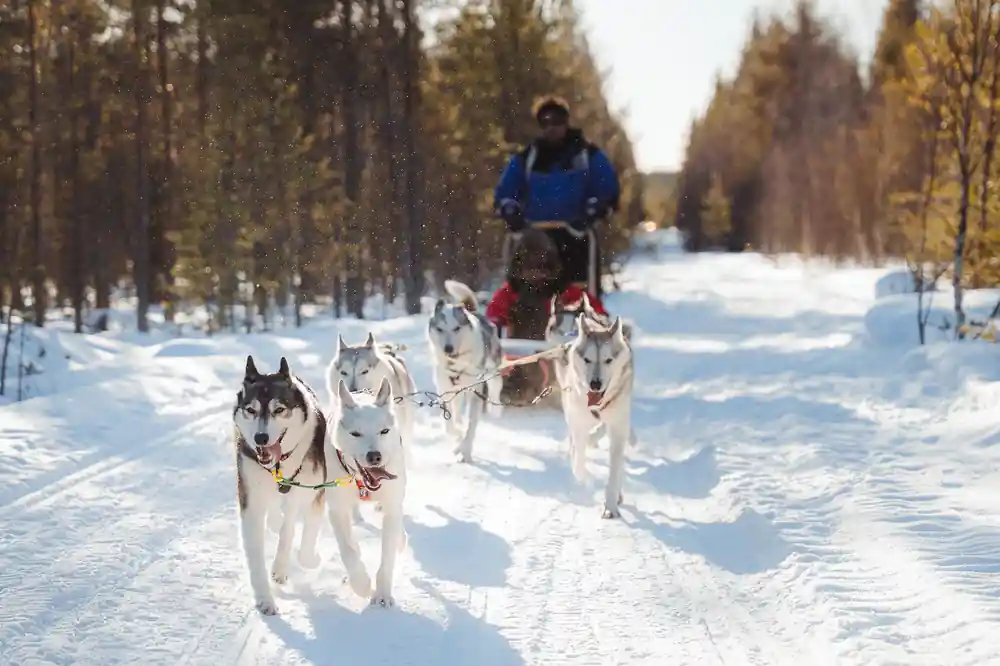
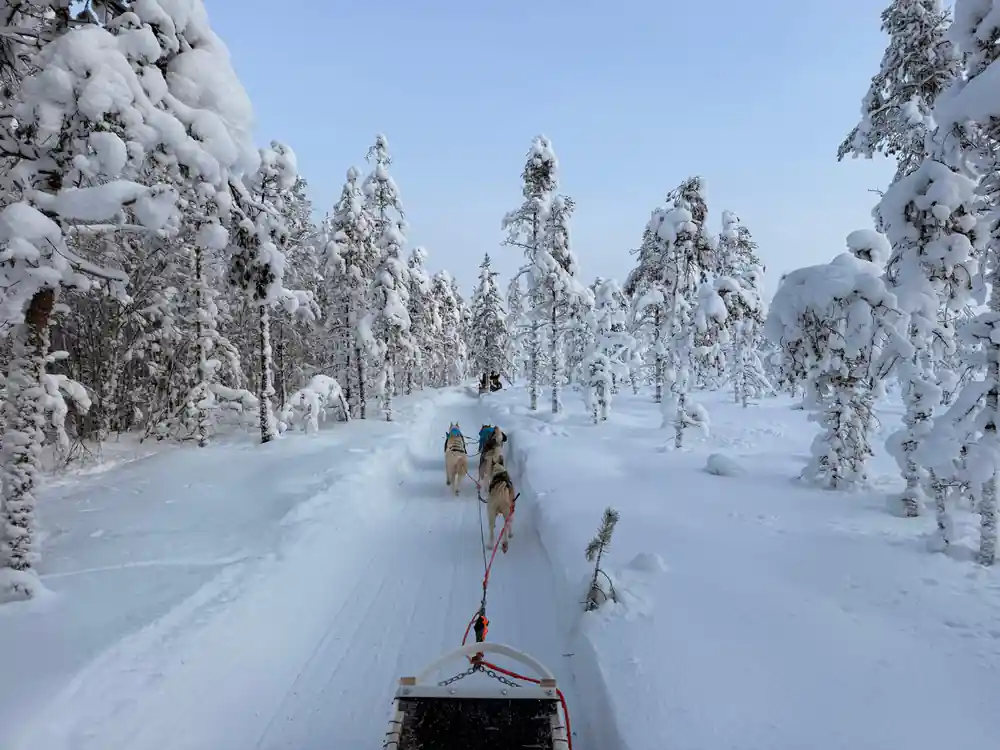
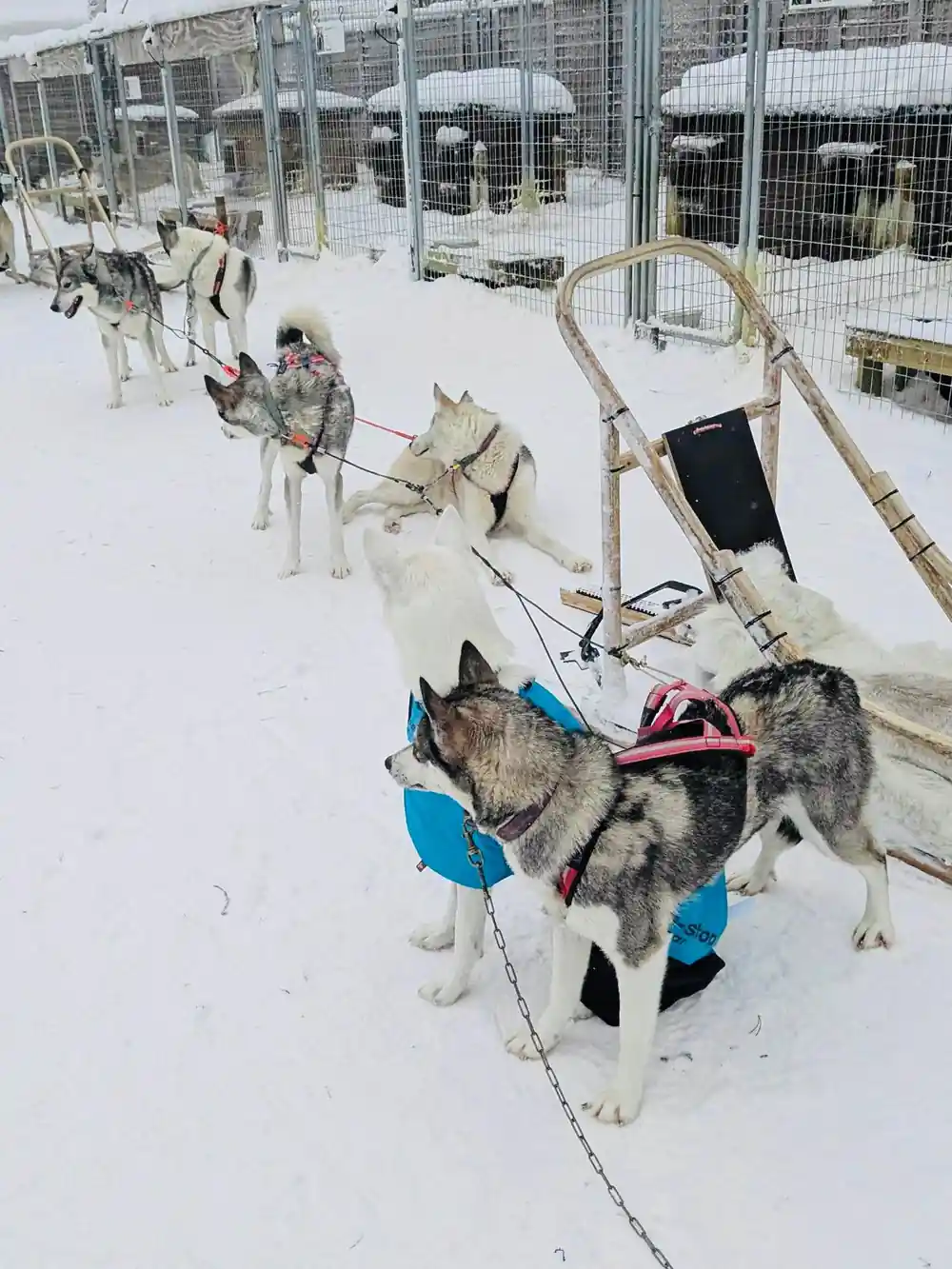
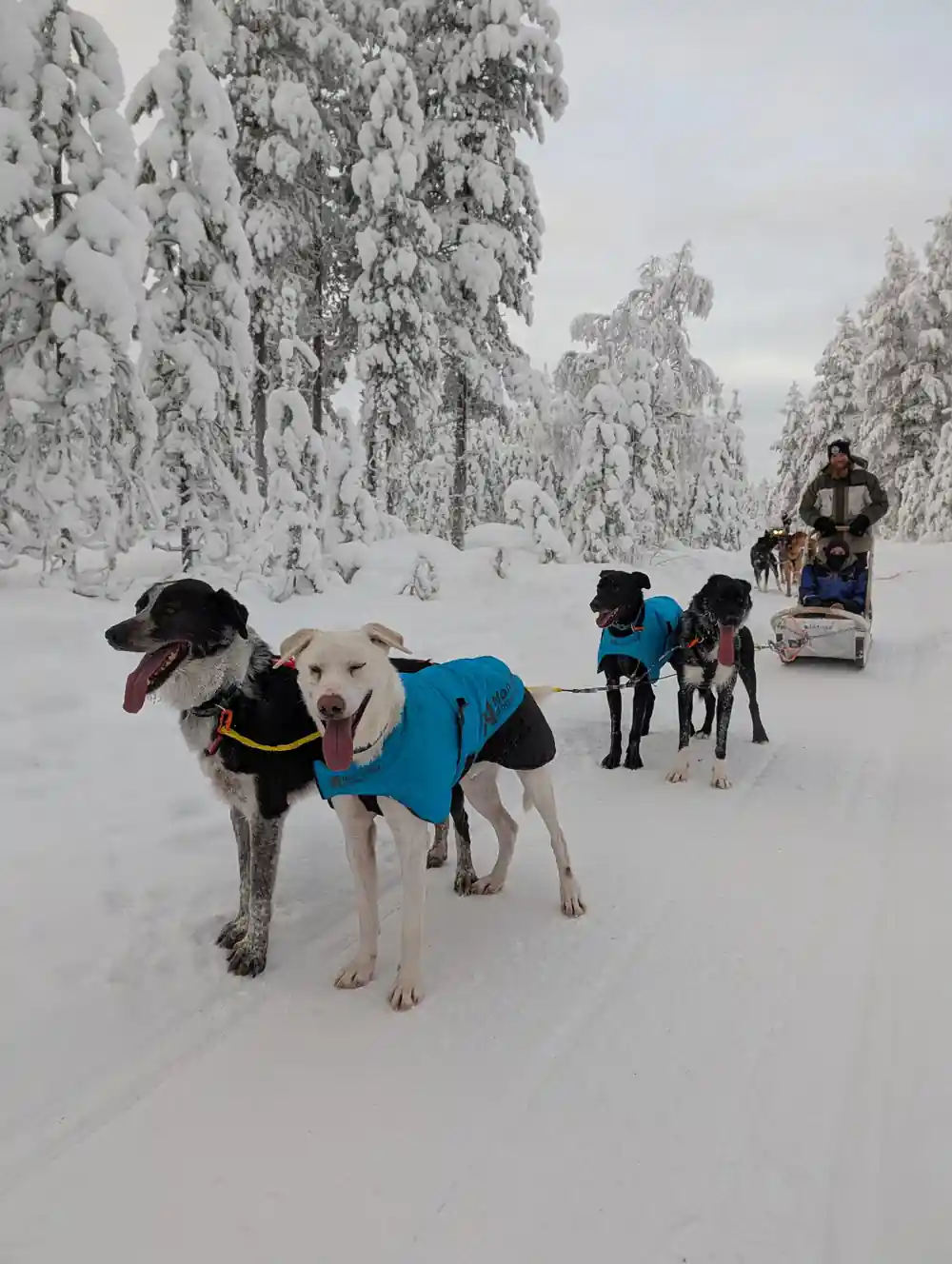
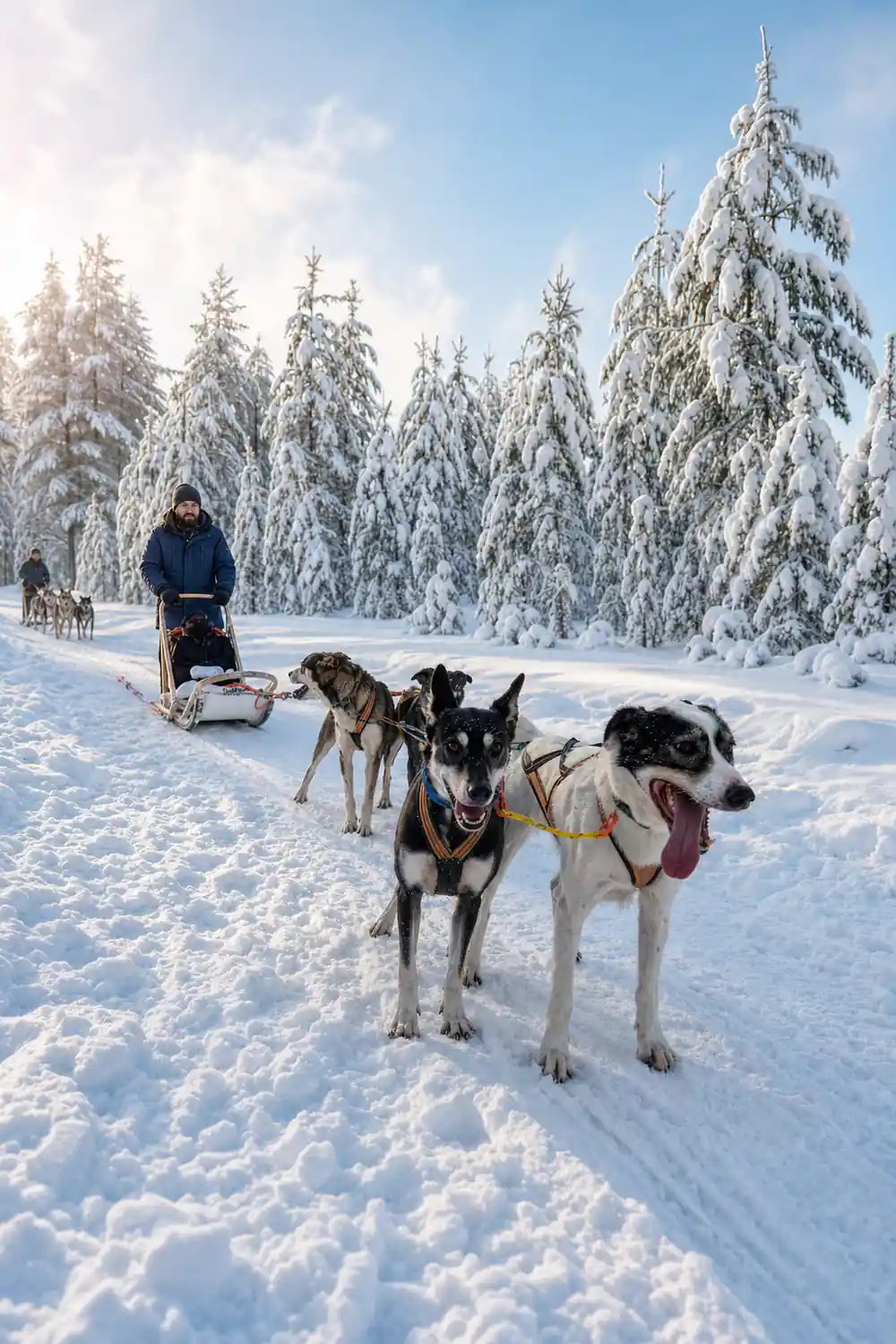
- Each sled team is carefully arranged with lead dogs at the front, wheel dogs at the rear, and middle dogs in between - all roles vital to balance and control.
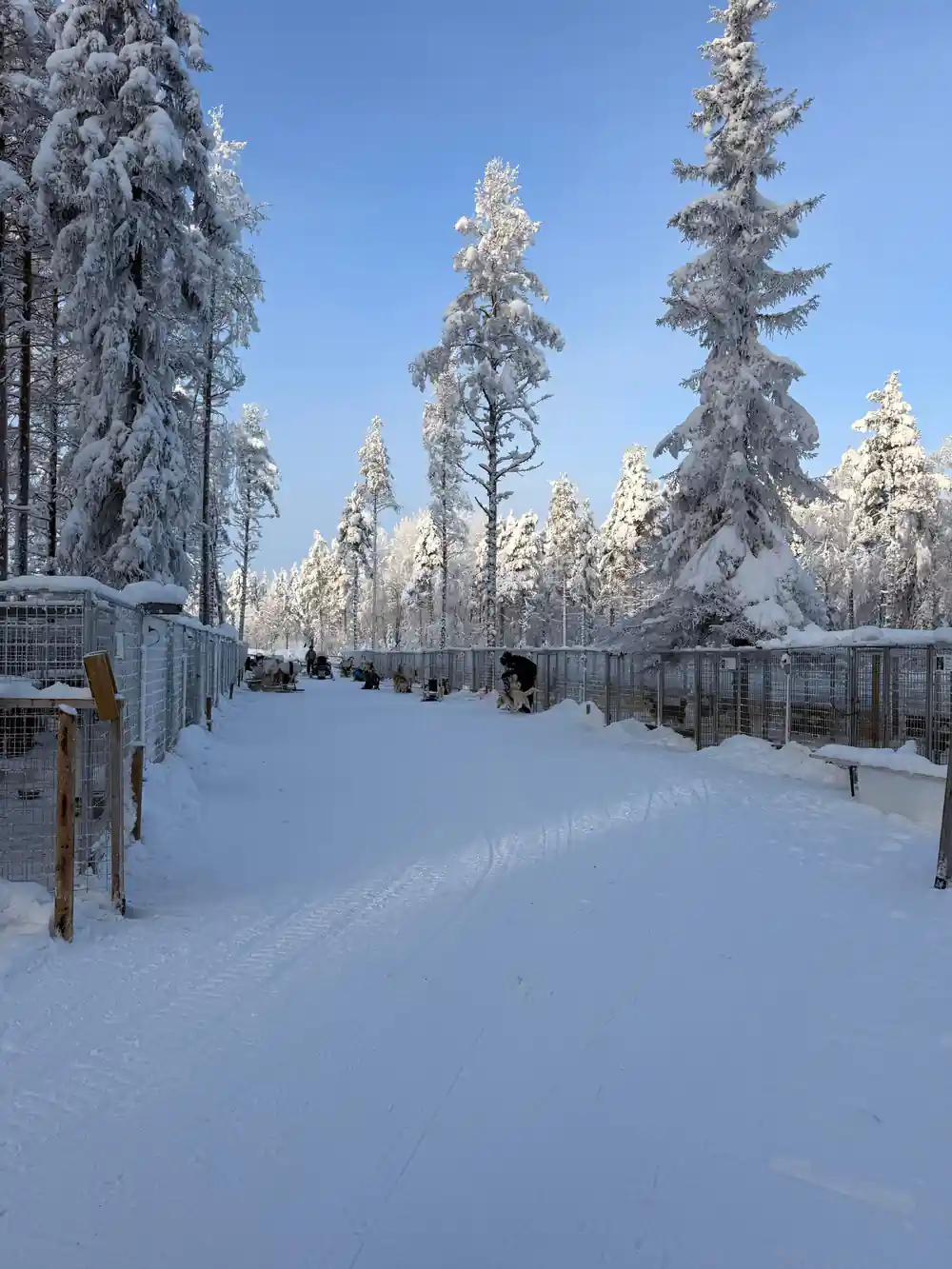
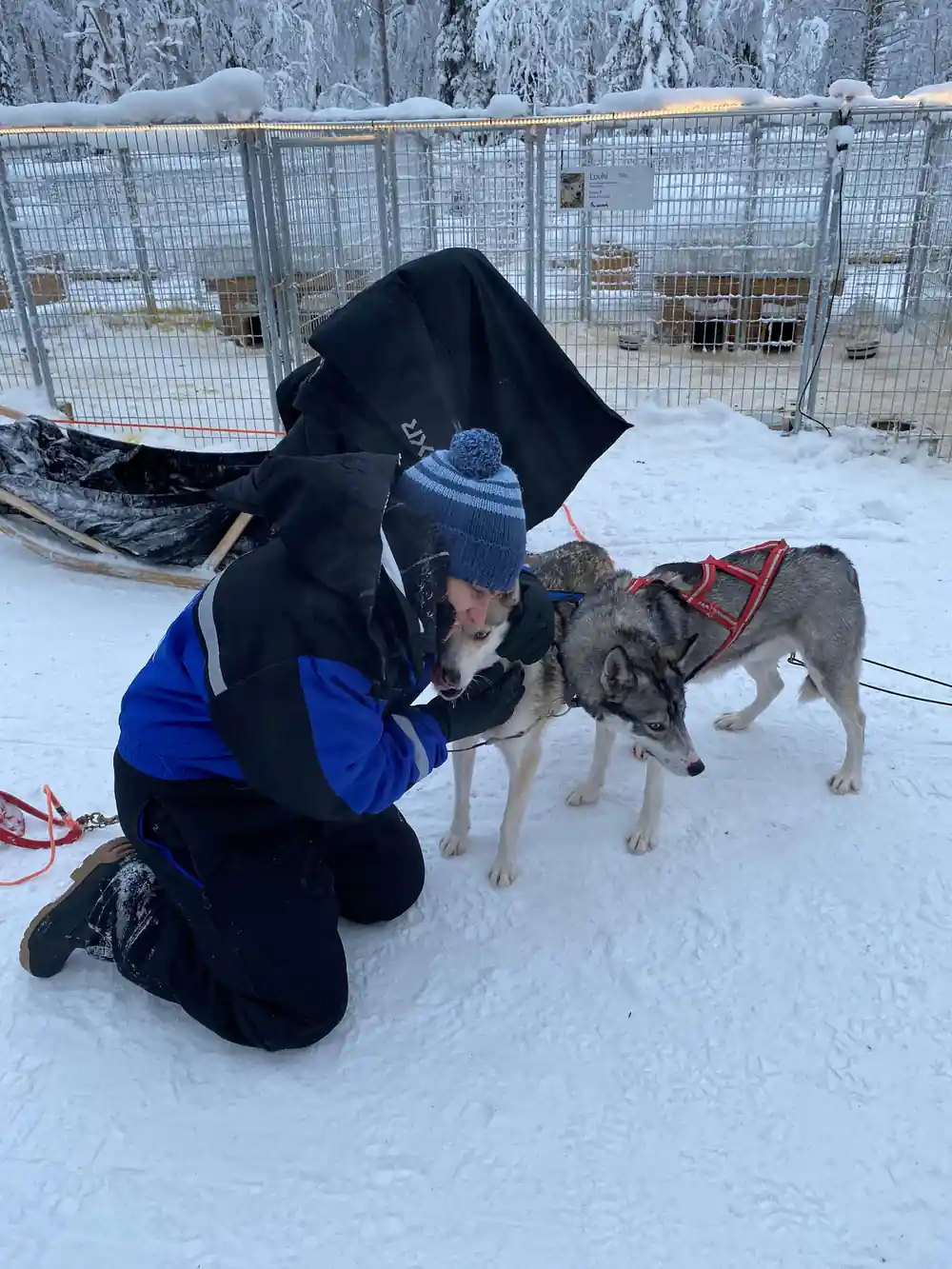
- The Apukka resort husky farm renews soil yearly and maintains spacious outdoor kennels, allowing dogs to sleep comfortably even in extreme Arctic cold.
- When sled dogs retire from active duty, they transition to homes where they continue to thrive, often becoming beloved family companions.
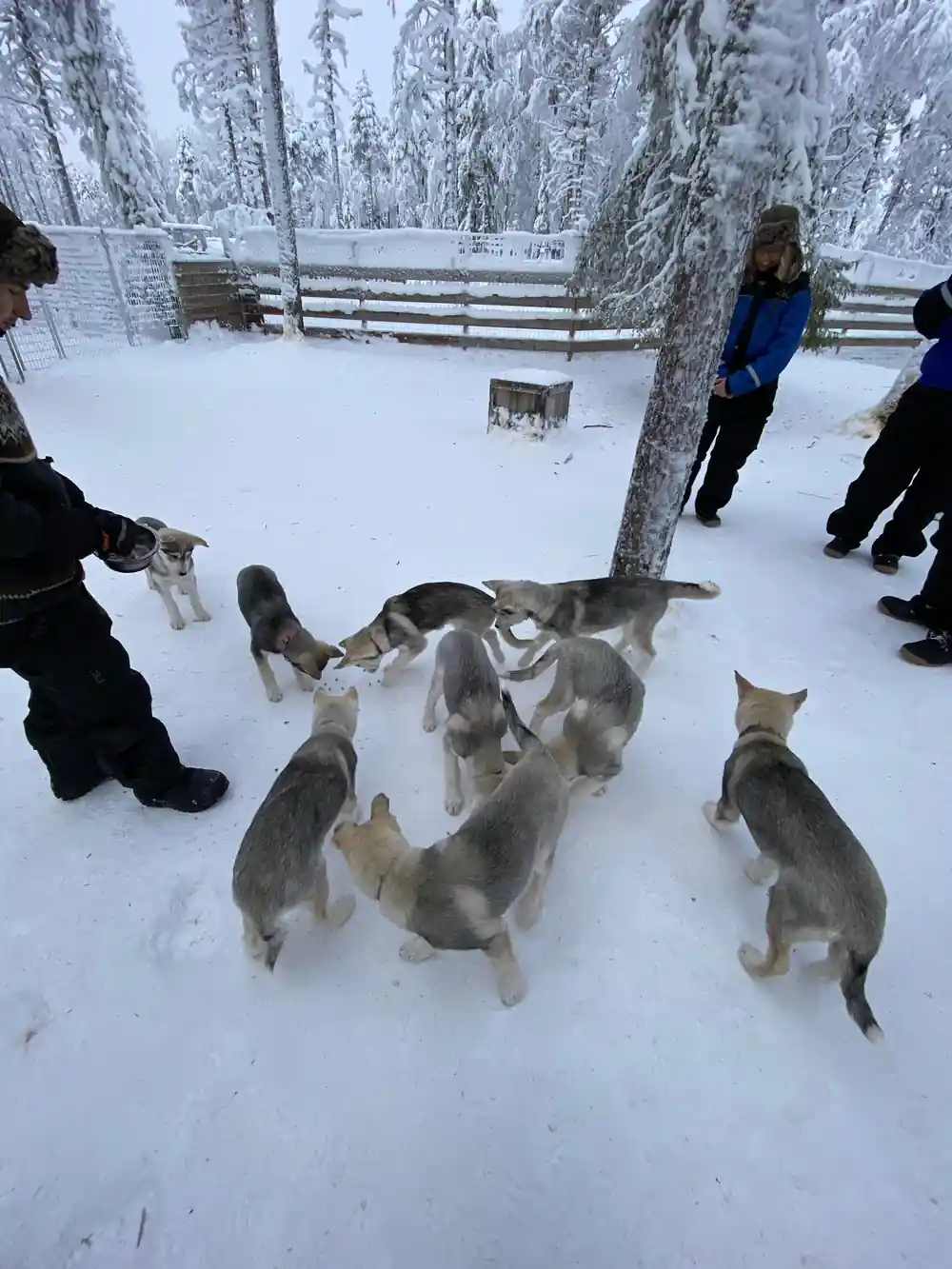
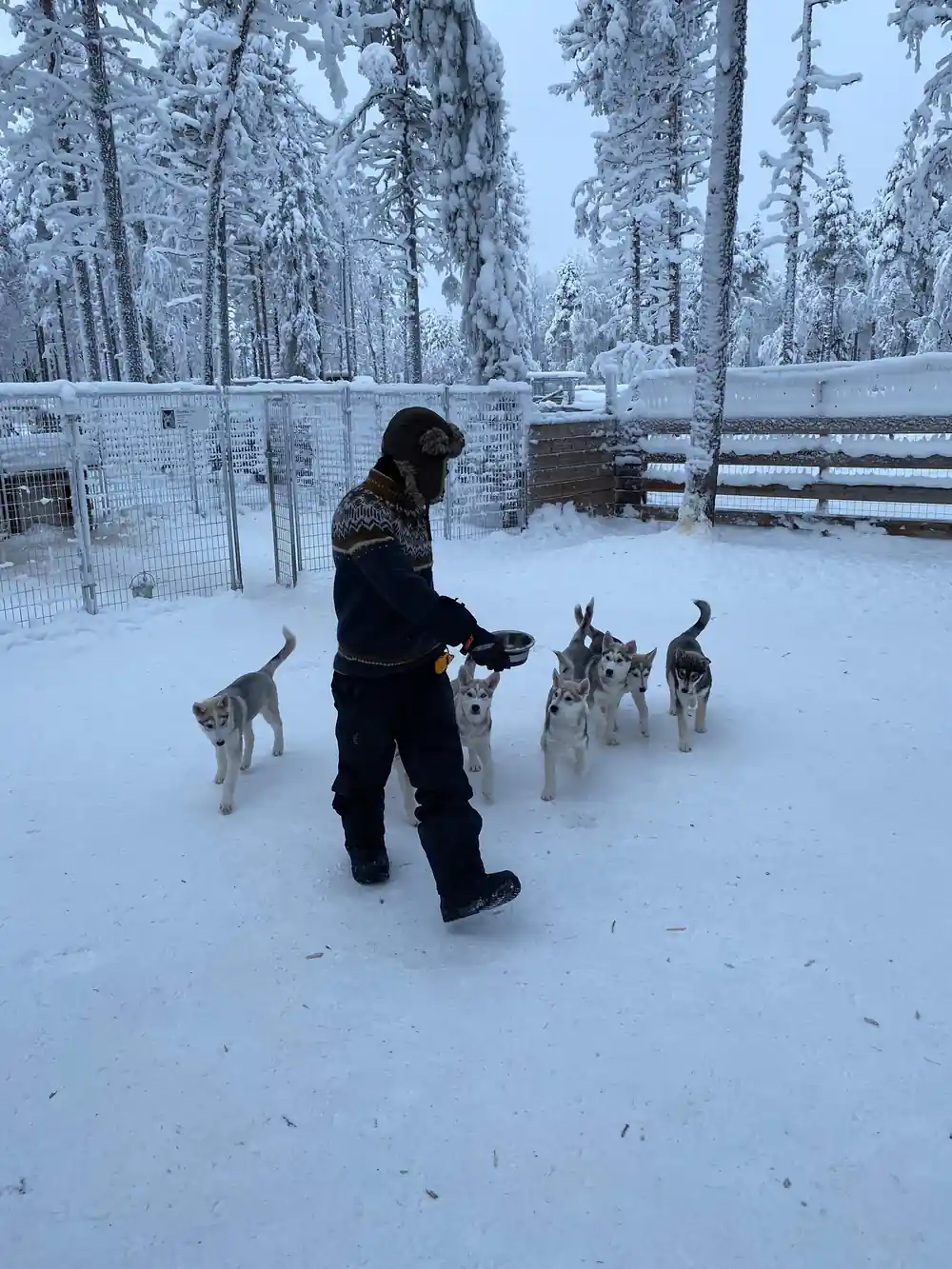
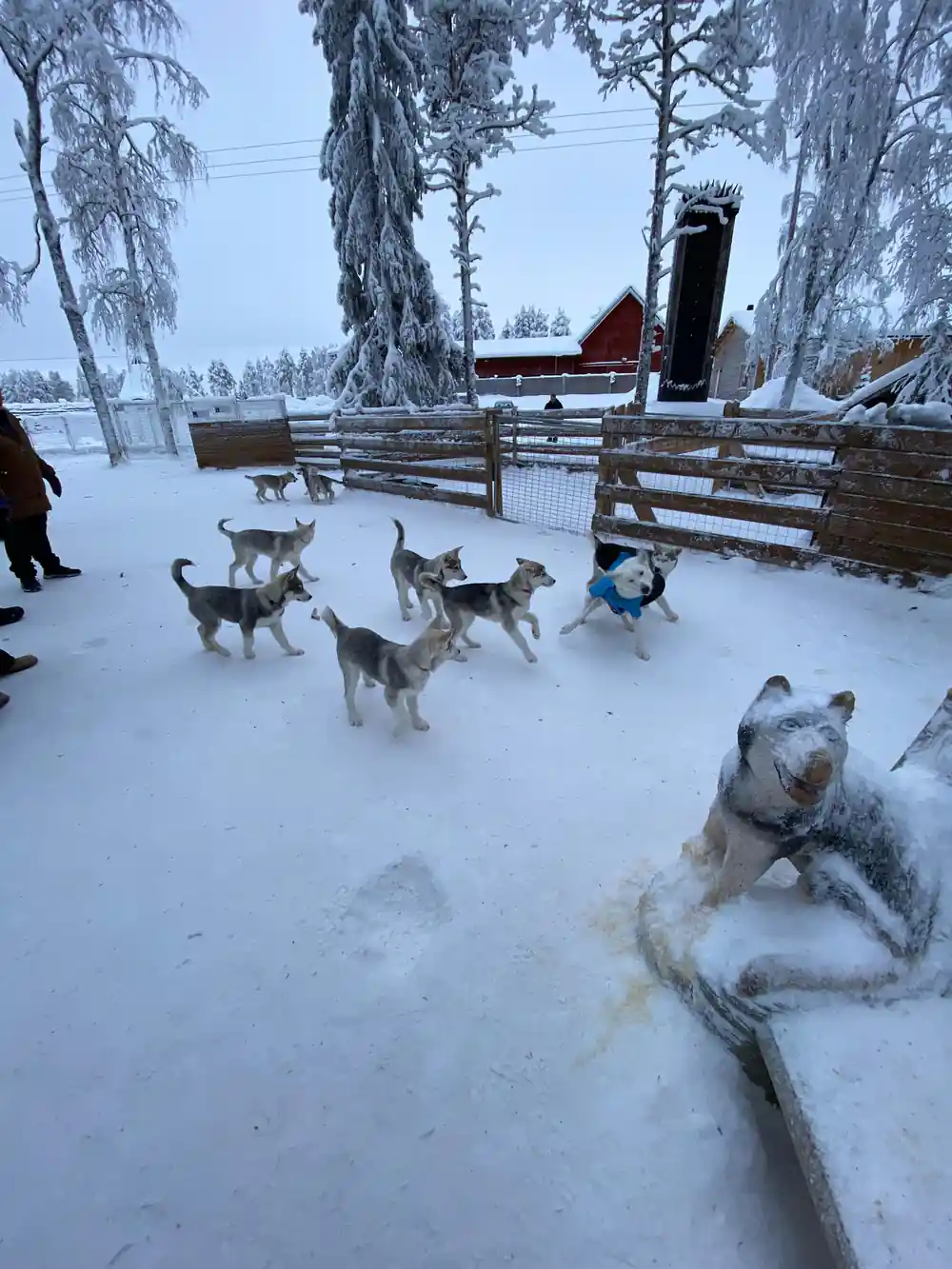
- Young huskies at the farm grow up alongside experienced dogs, learning harness work and commands through gradual training and socialization from puppyhood.
The Siberian Husky: Built for Speed and Snow
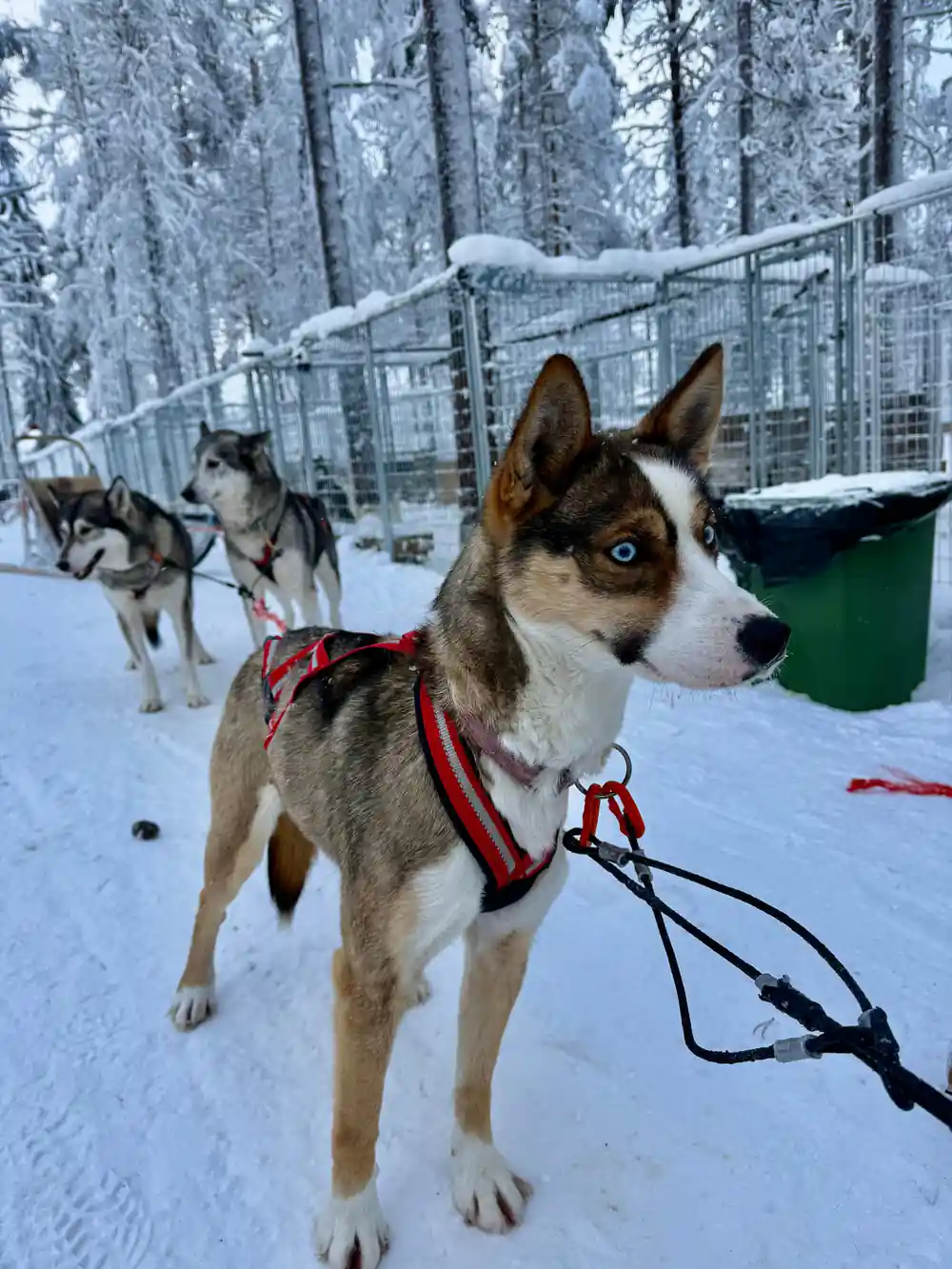
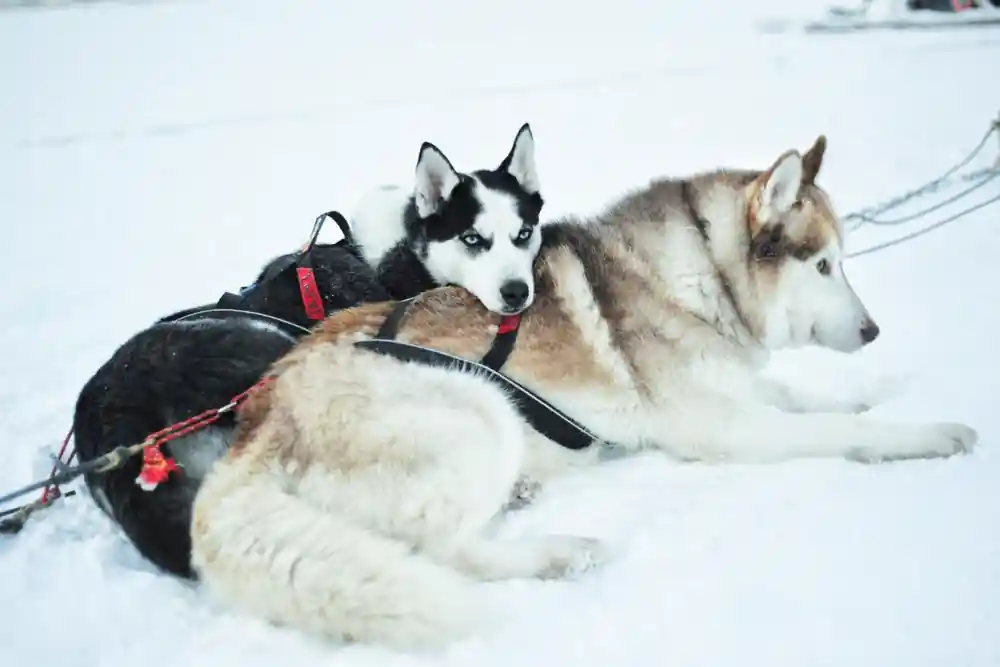
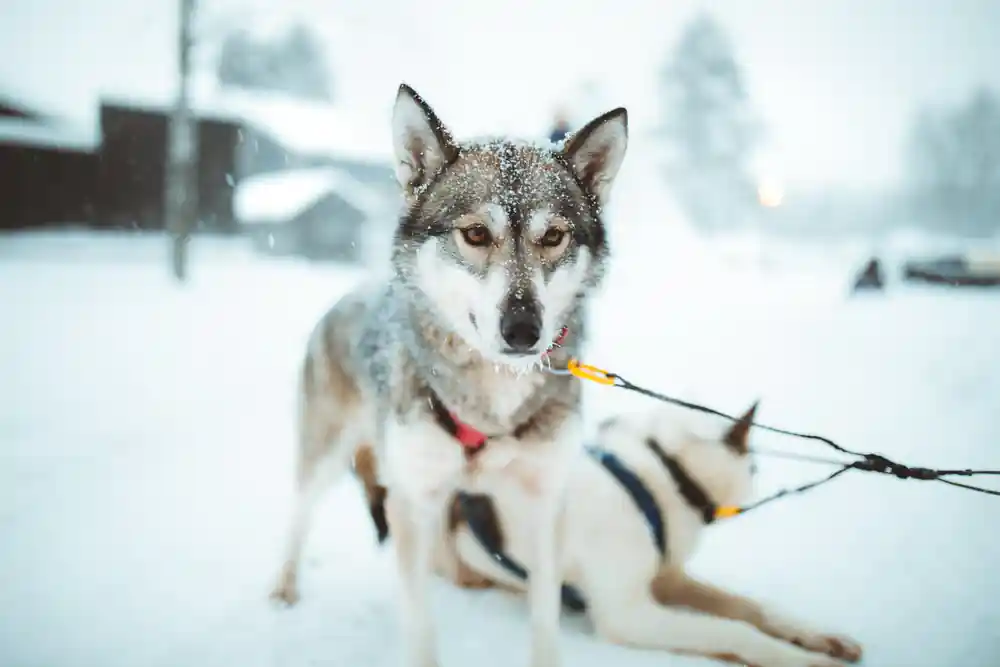
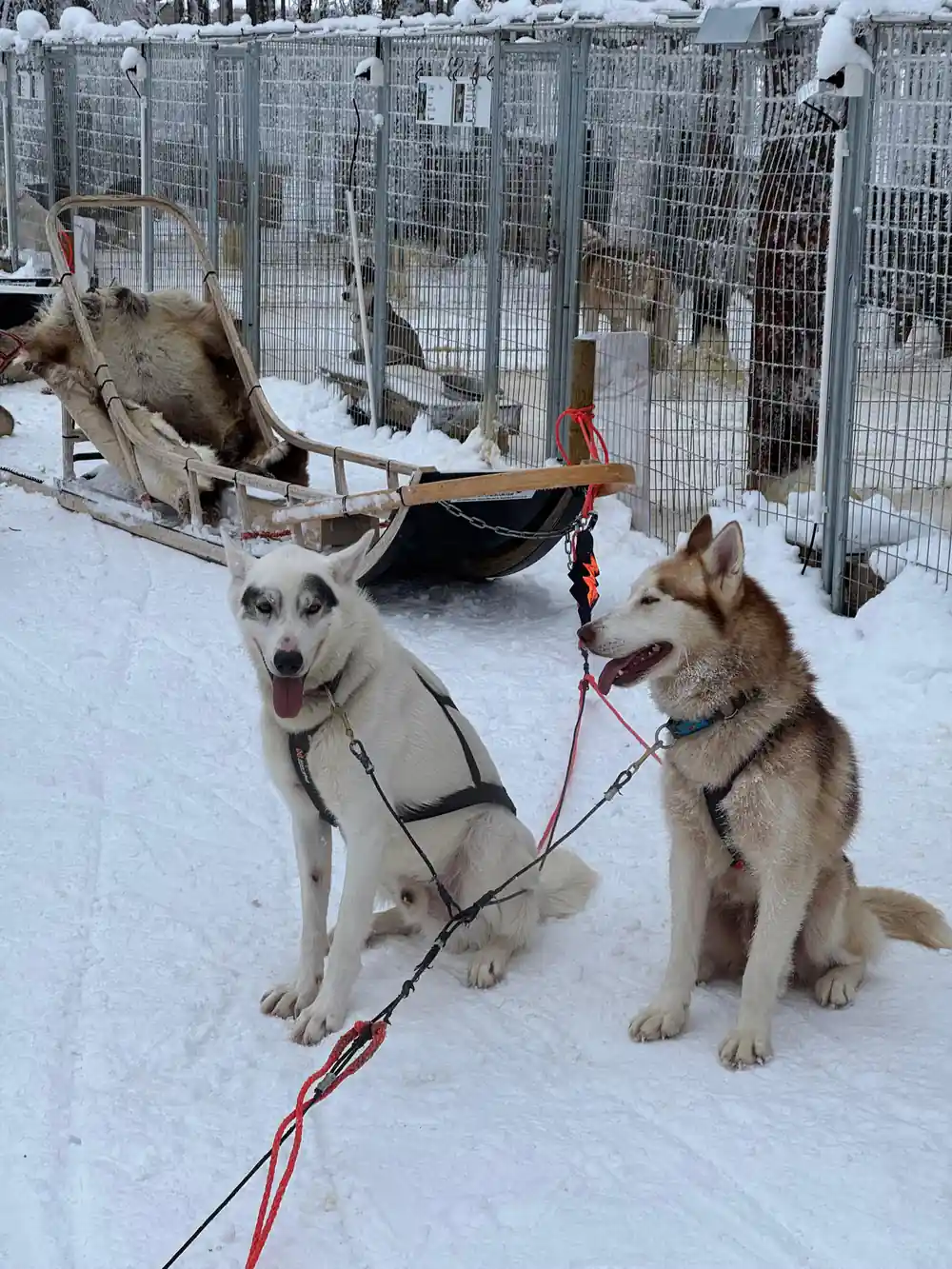
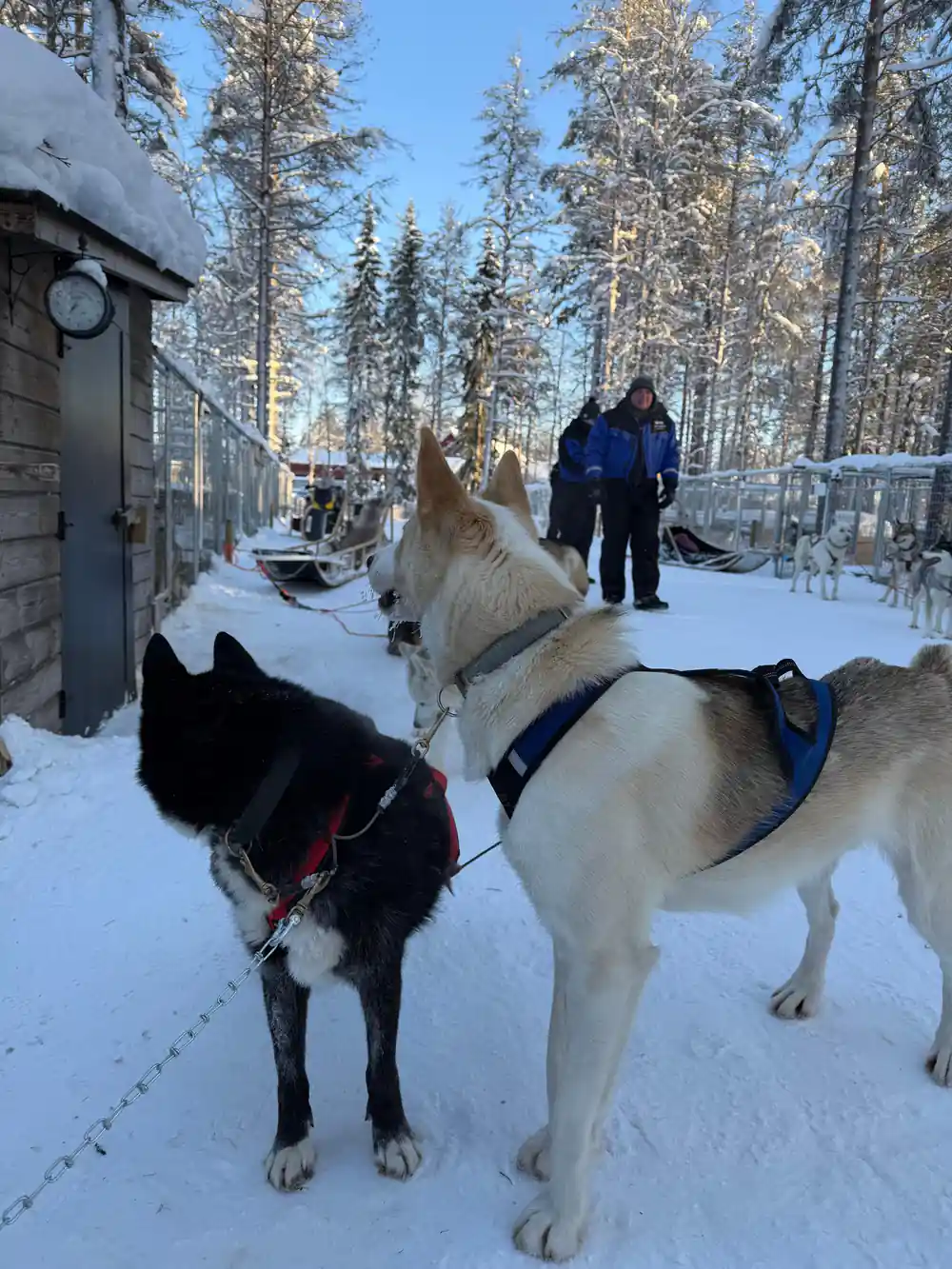
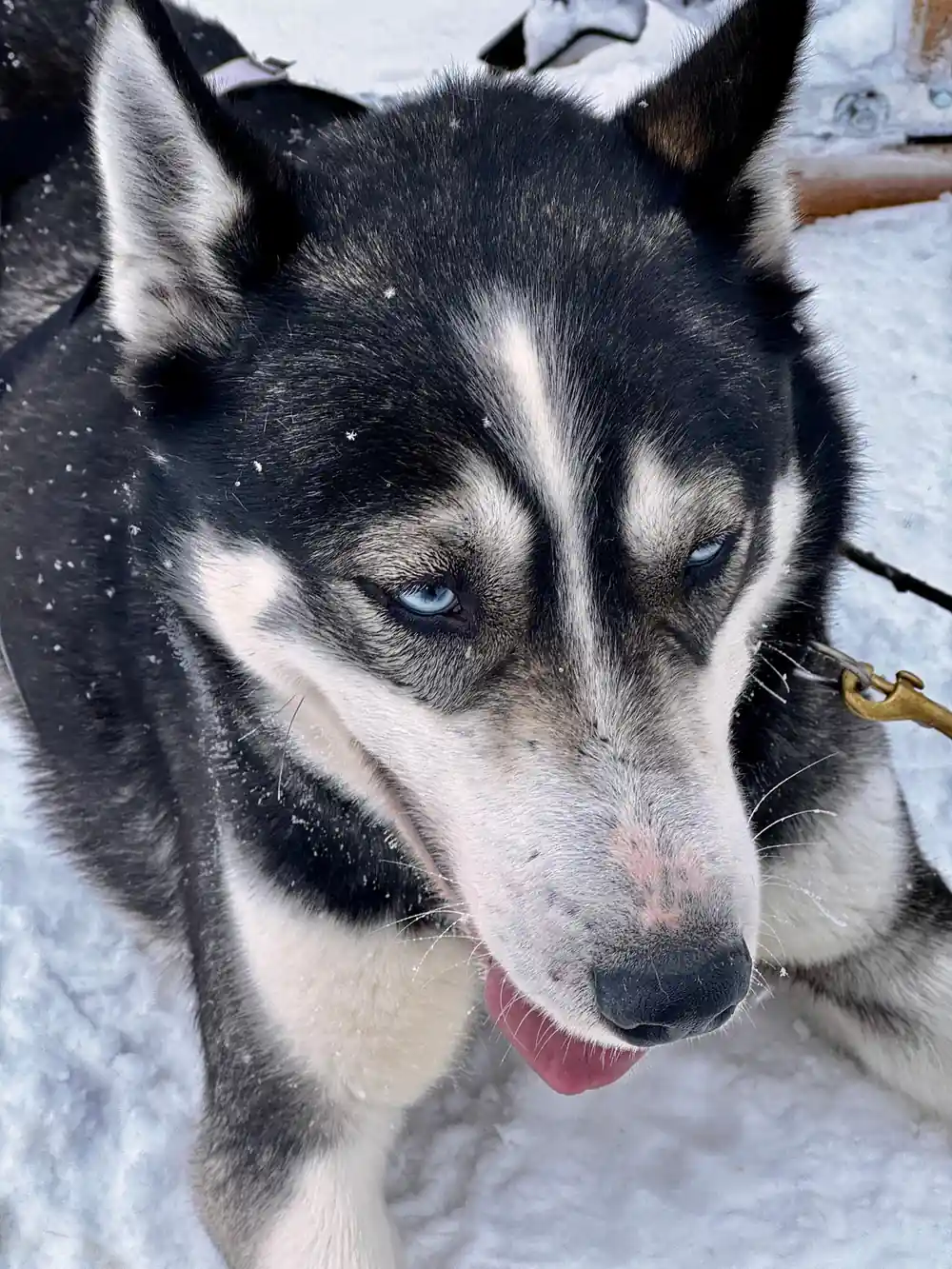
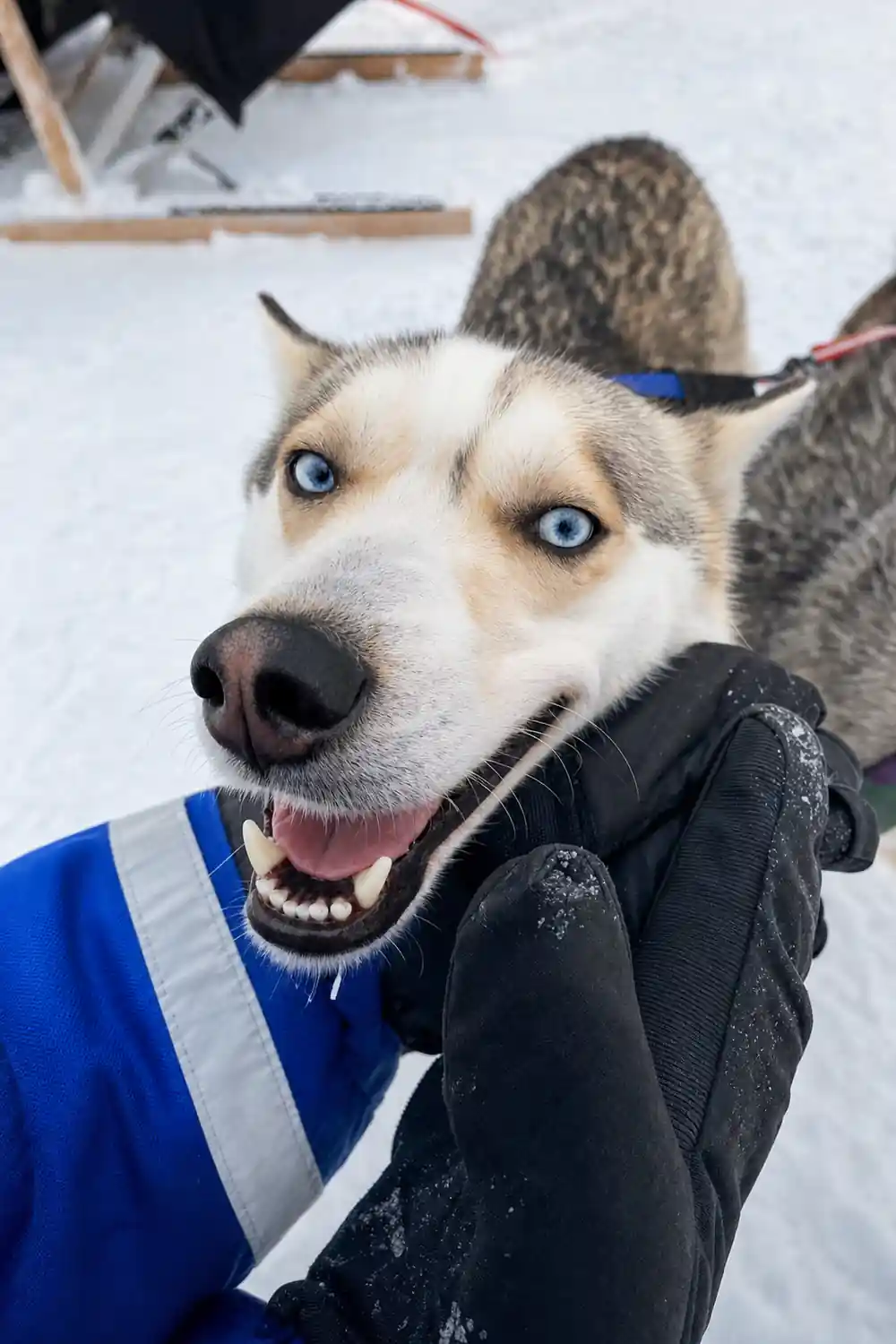
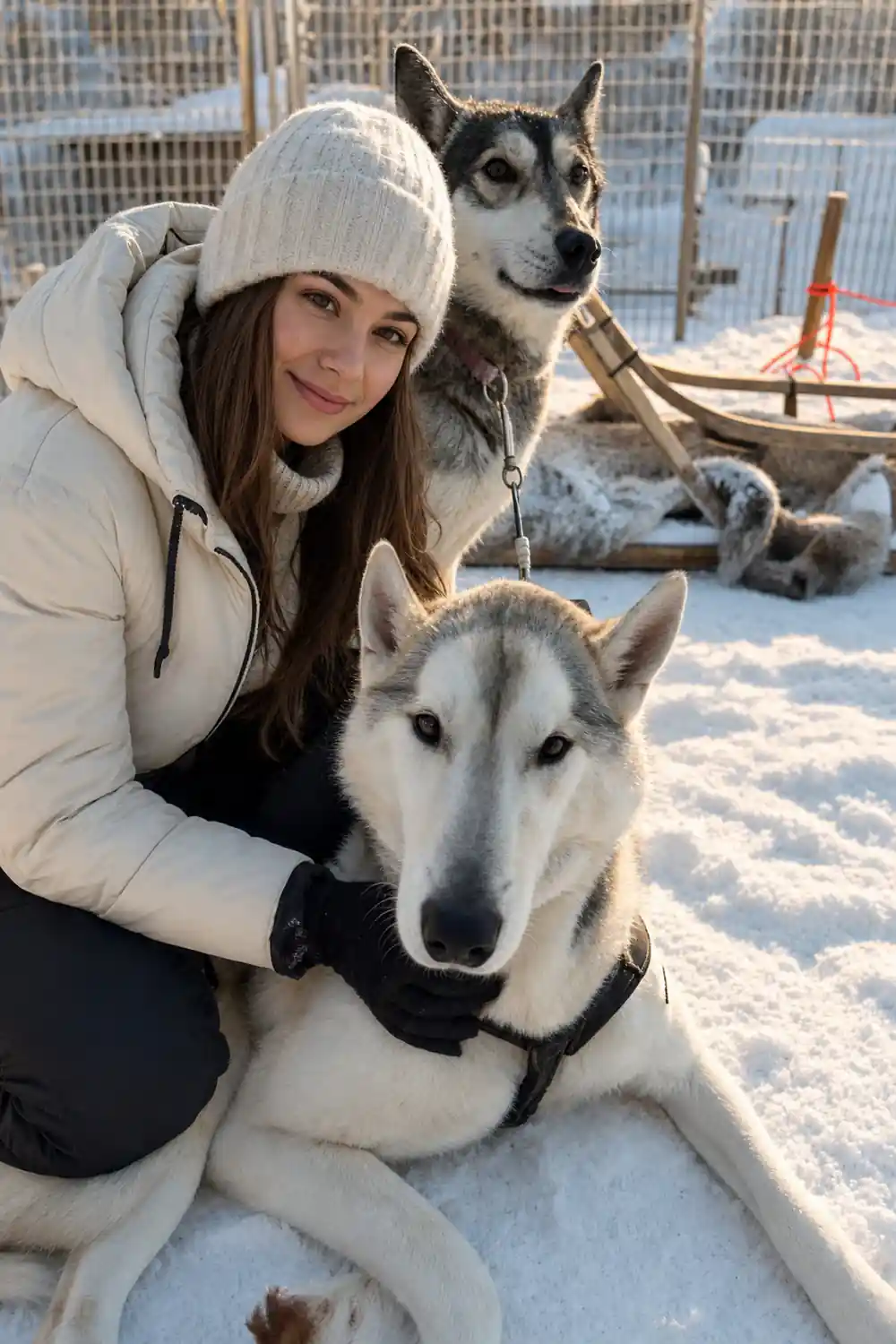
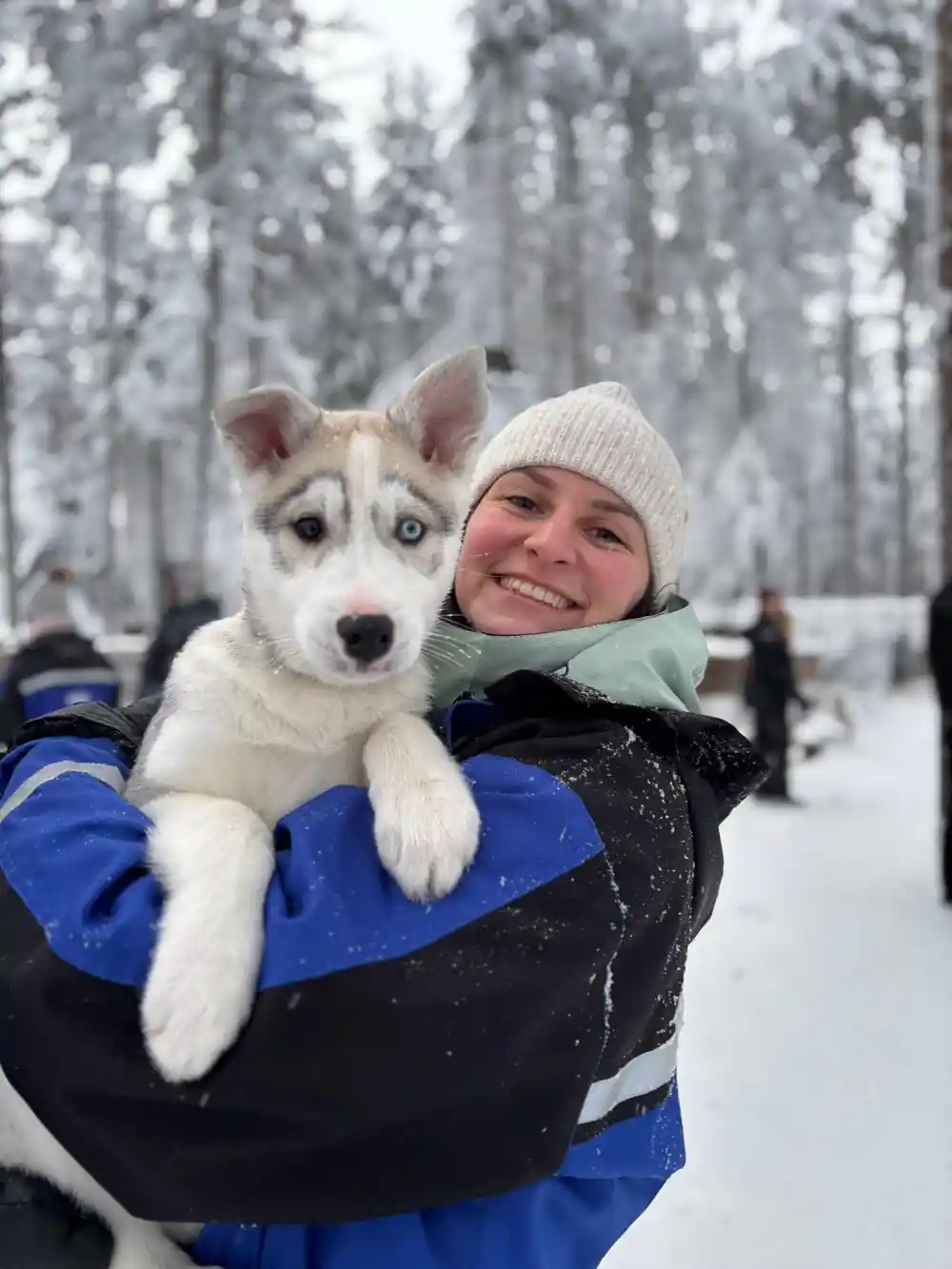
Apukka's teams are working huskies rather than a single pedigree: the Siberian husky, evolved over centuries in Arctic Russia, alongside the Alaskan husky bred purely for the job. These medium-sized athletes typically weigh between 20 and 28 kilograms, with lean, muscular frames and double-layered coats that insulate them in temperatures far below freezing. Their build is deceptively powerful: long legs provide the stride needed to cover distance, while a deep chest houses the cardiovascular system that powers sustained effort across snow and ice. The breed's almond-shaped eyes, often blue or heterochromatic, and alert triangular ears give them their distinctive appearance, but it is their physiology that makes them extraordinary sled dogs.
What makes huskies pull with such natural enthusiasm is rooted in their genetics and temperament. Unlike many working dog breeds, huskies were not developed to herd or guard, but to run. Their pack ancestry means they have an innate desire to move as a unit, and their work drive is genuine rather than trained into submission. At Apukka, handlers observe that the dogs become visibly excited at harness time, ears perked and bodies tensed with anticipation. This is not forced enthusiasm; it reflects the breed's original purpose and psychological wiring. A husky in harness is doing what its ancestors did, and that alignment between instinct and task is why they perform with such willing energy.
Team Formation: Lead, Swing, and Wheel Positions
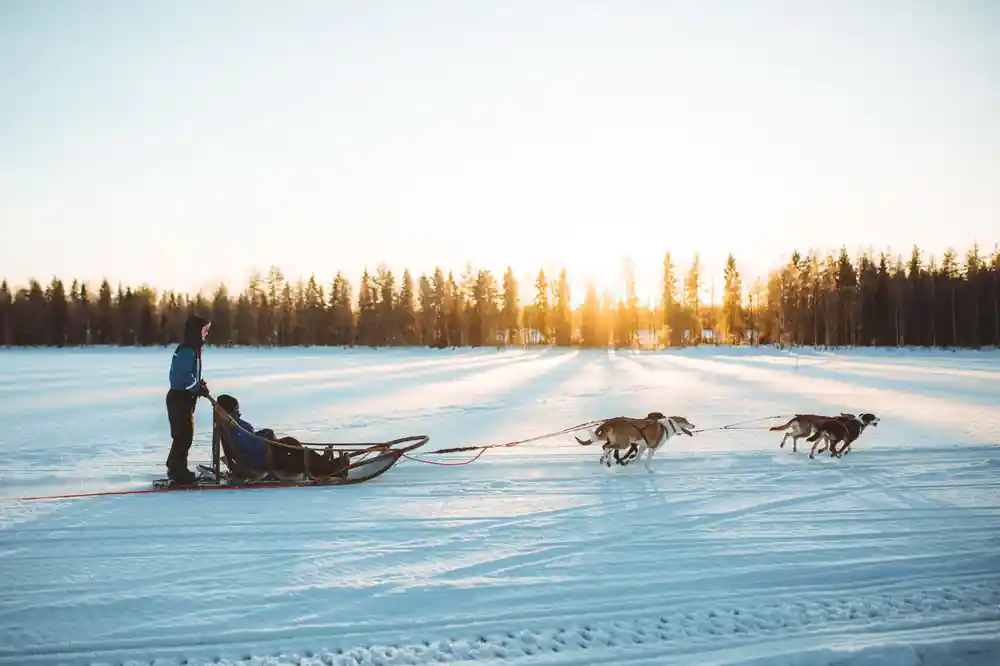
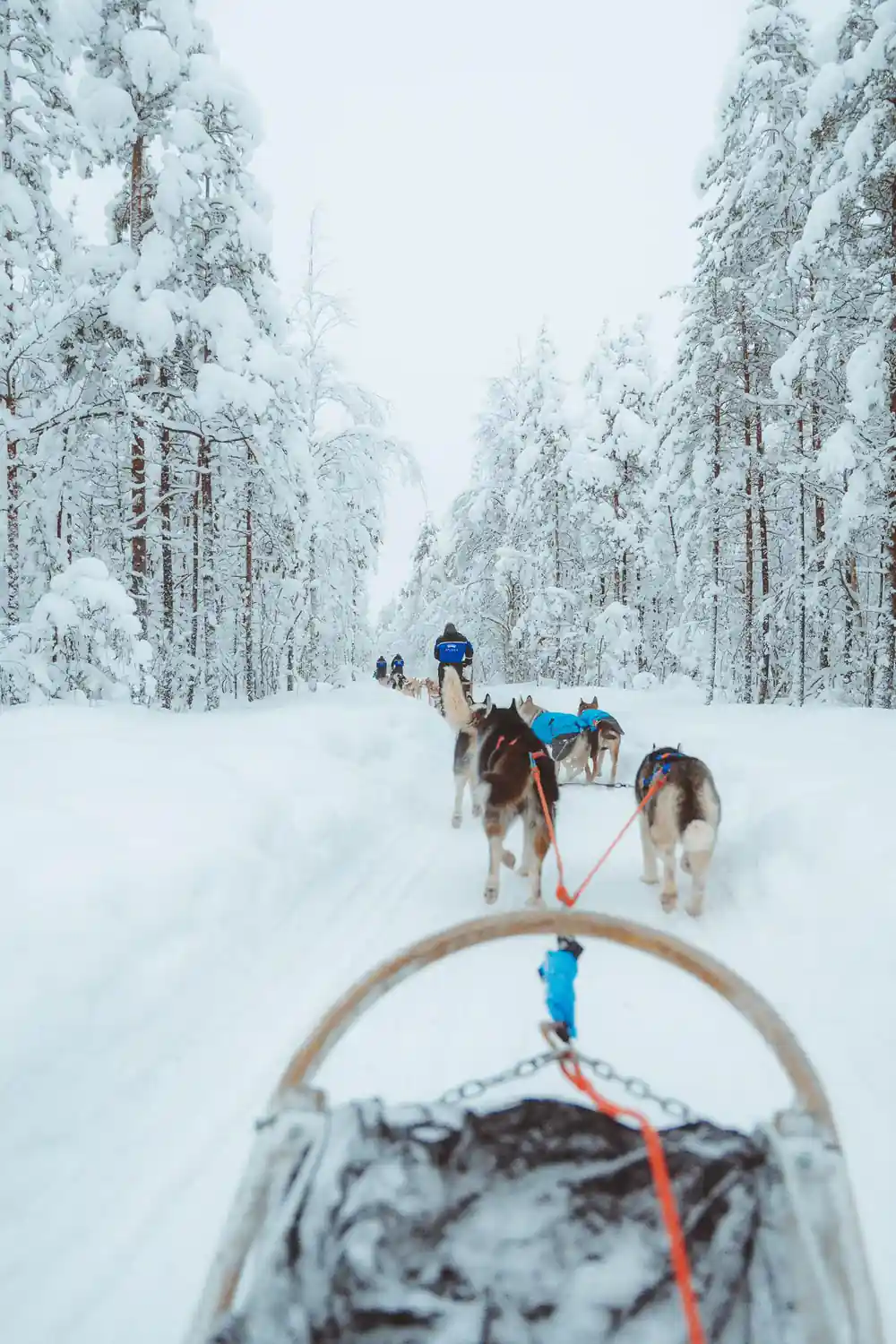
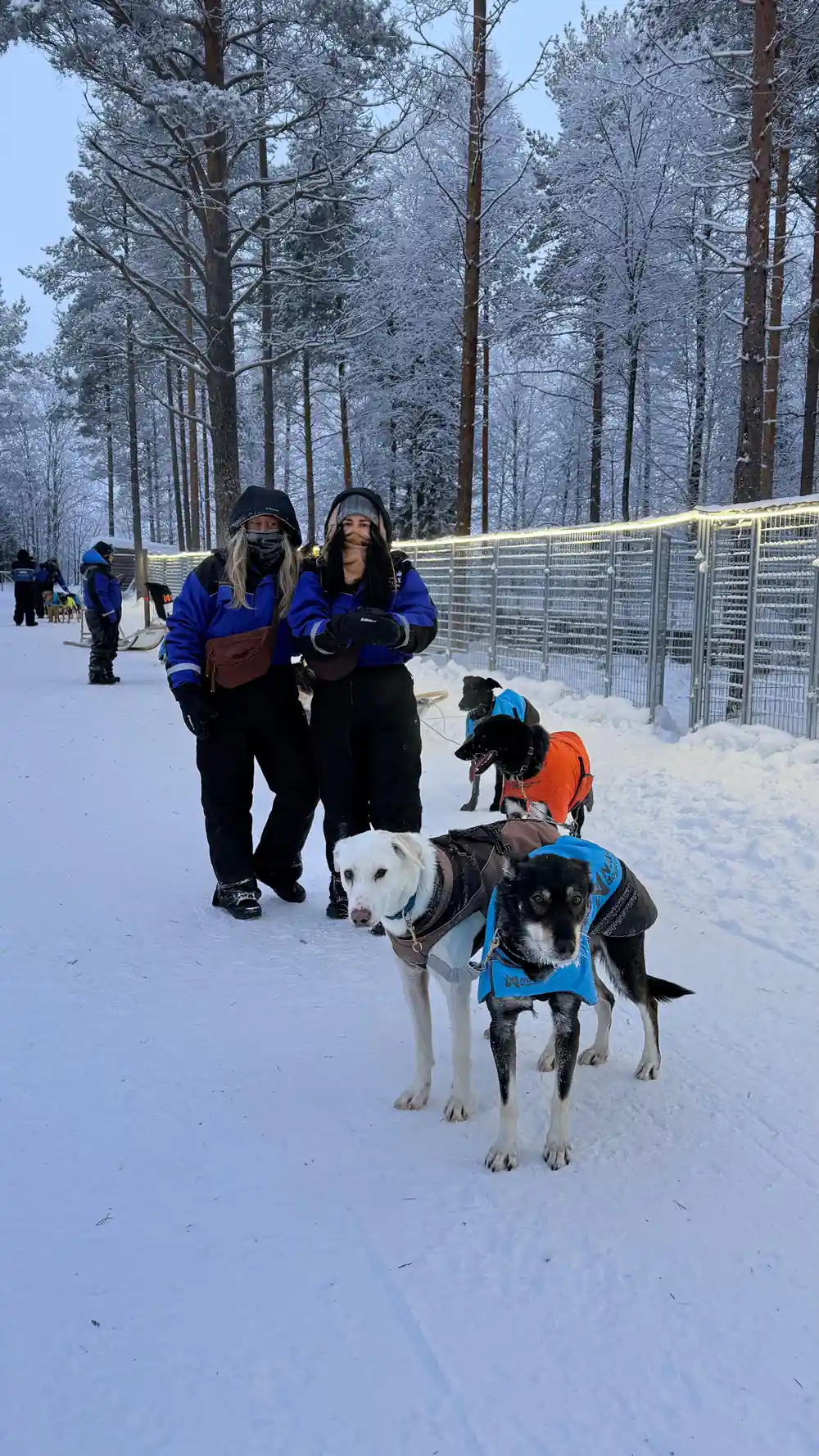
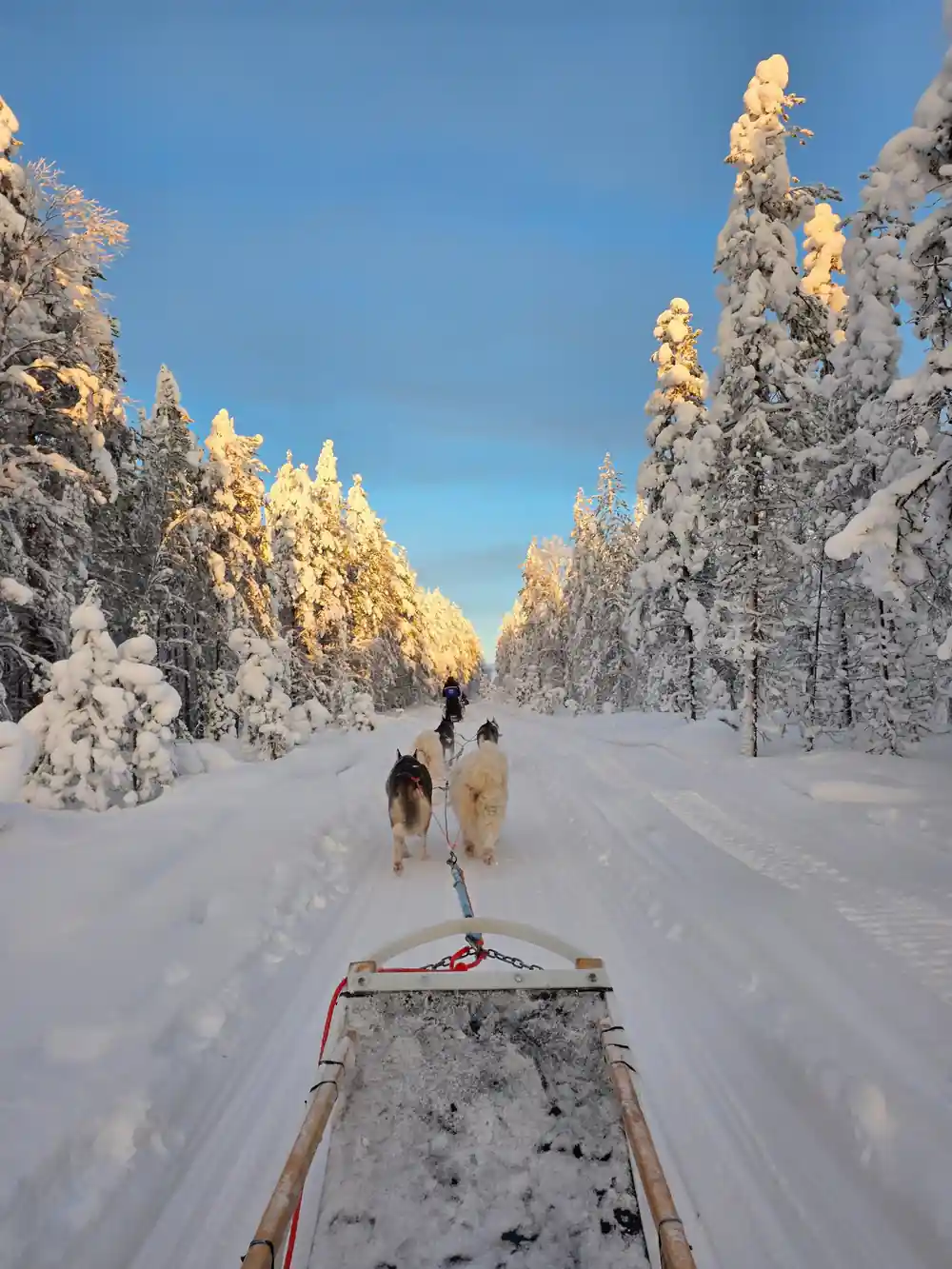
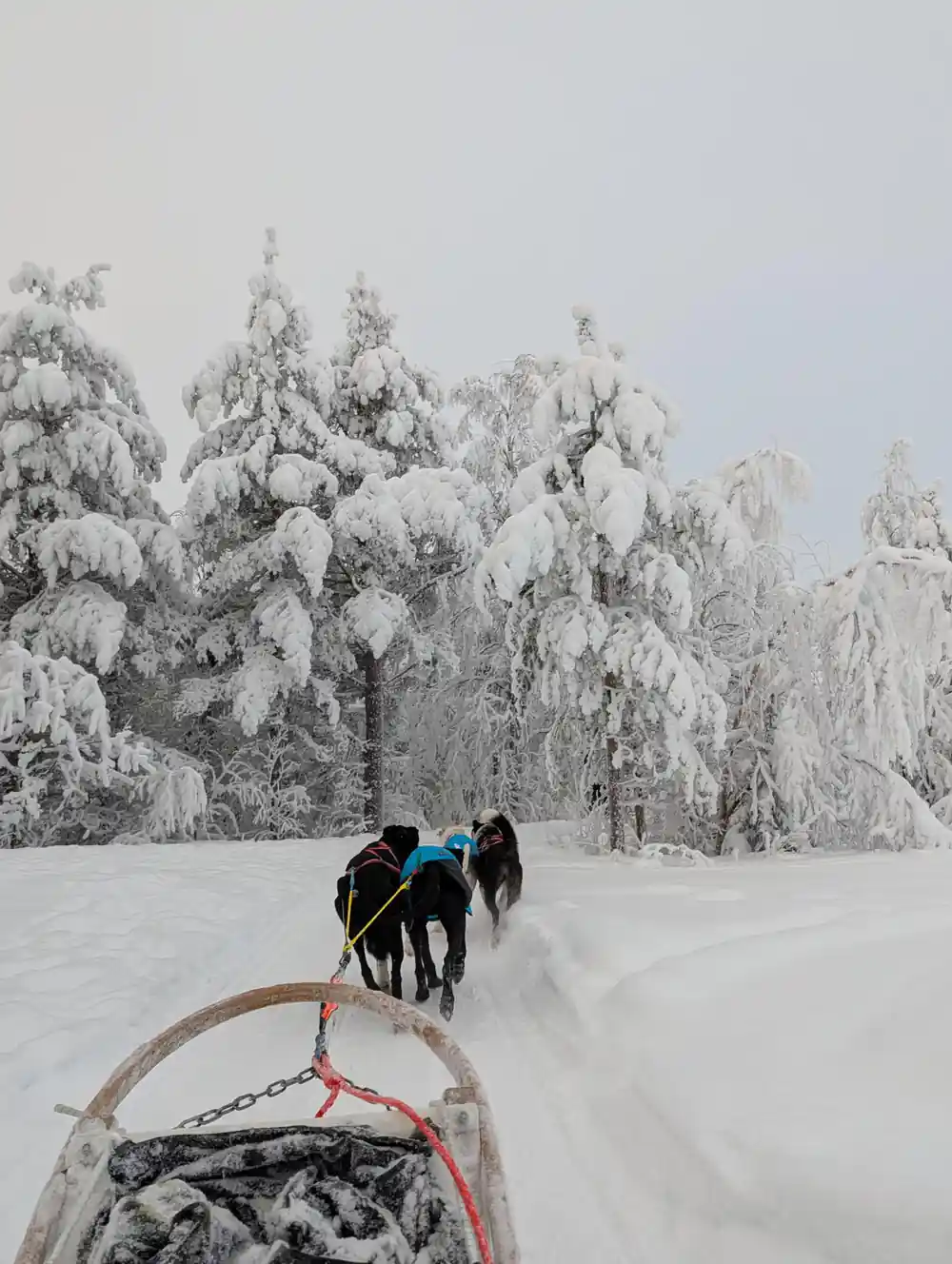
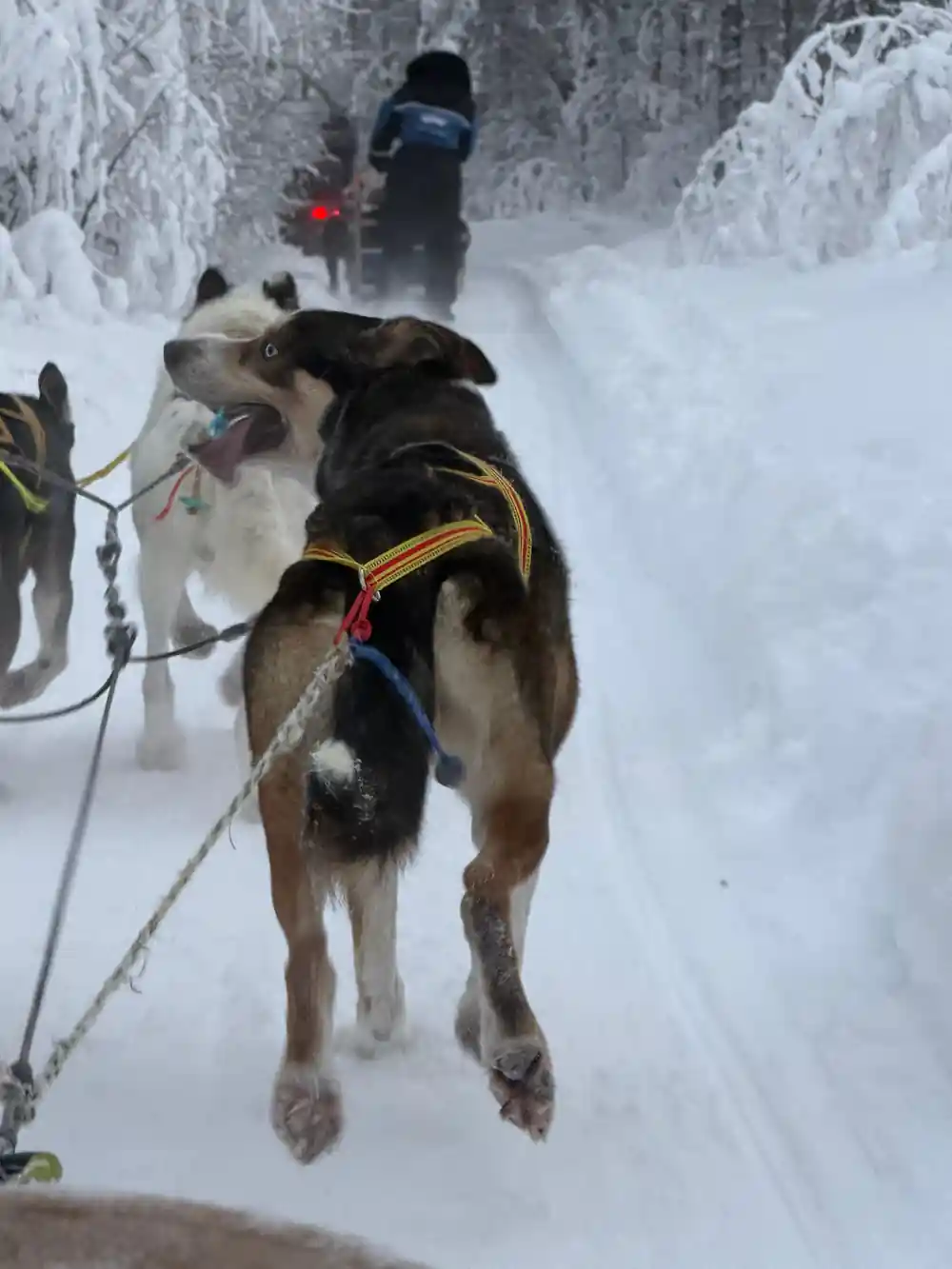
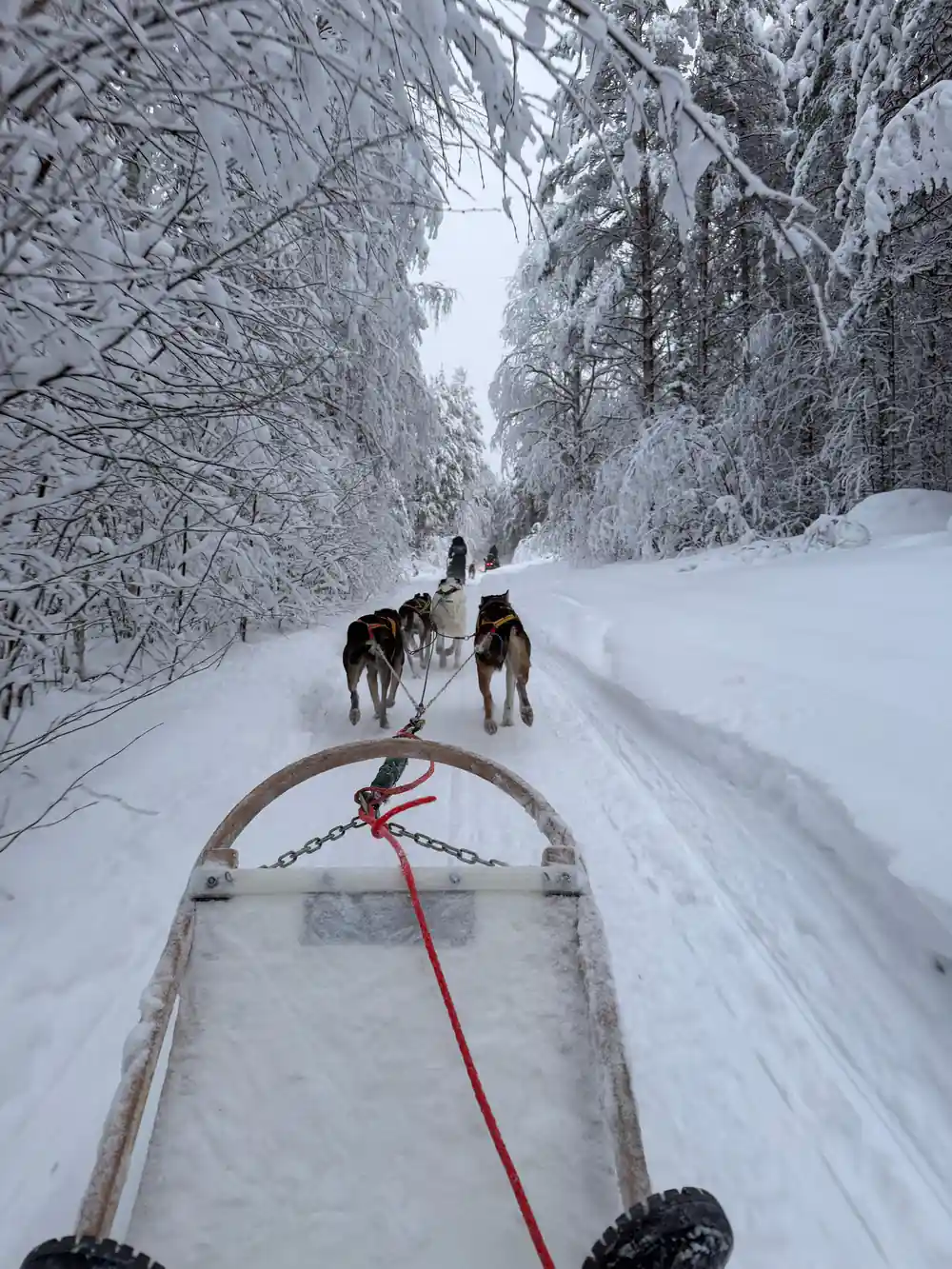
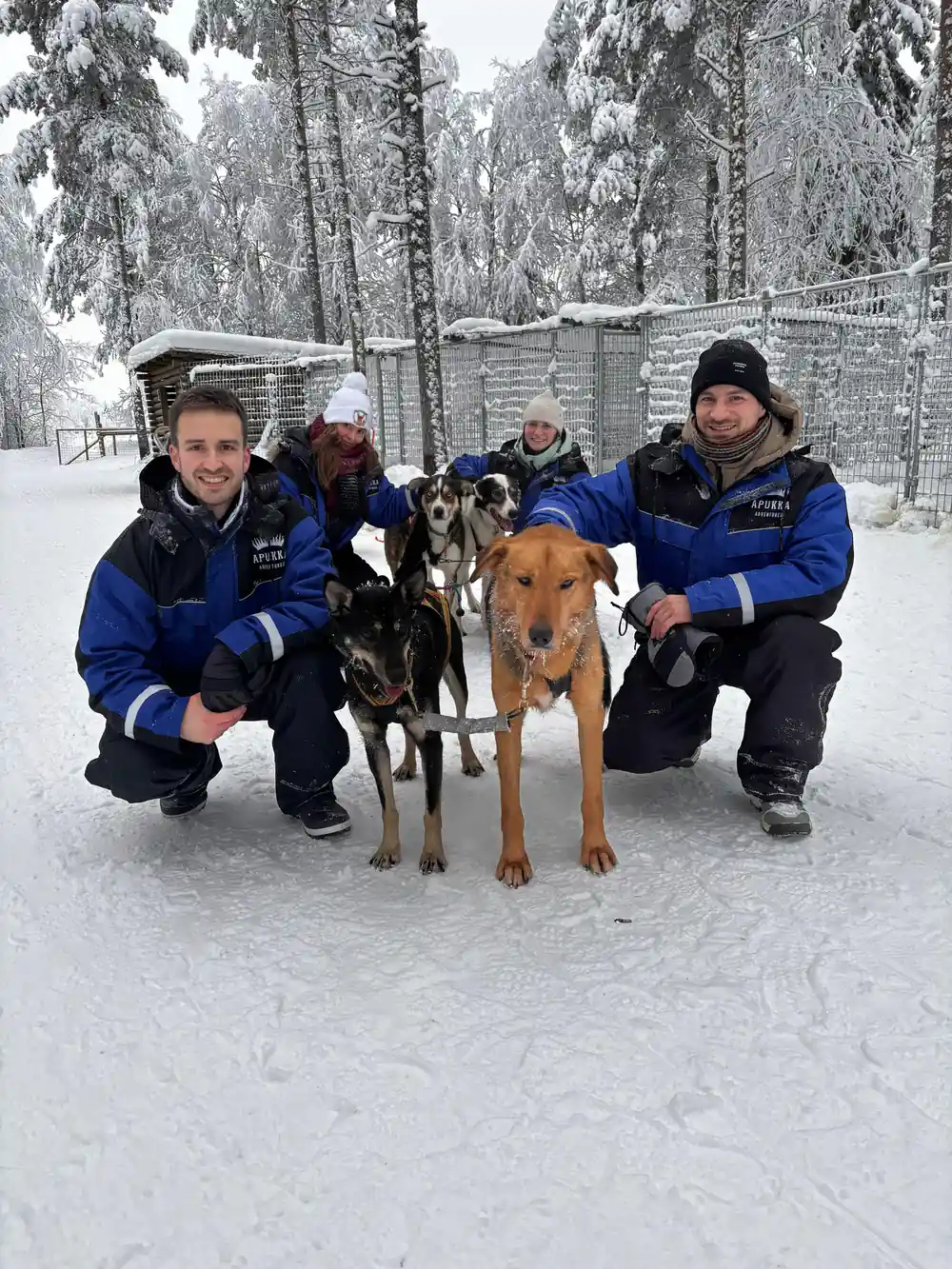
A competitive sled dog team is not a random grouping but a carefully arranged unit where each position demands different skills. The lead dogs run at the front and must be responsive to commands, intelligent, and decisive - they set the pace and choose the path when conditions demand it. Behind them come the swing dogs, whose role is to help guide the team around turns and obstacles, translating the lead's directional intent to the main pulling power. The wheel dogs, closest to the sledge, provide the critical anchor point and must be strong-willed enough to lean into harness without hesitation. At the husky park in Rovaniemi, Apukka's handlers rotate dogs through positions based on individual temperament and strength, ensuring that a dog suited to independent decision-making becomes a lead, while a powerful, steady puller strengthens the wheel position.
Handlers spend months learning which dogs excel where, and the team composition changes with the season and the terrain. During your 6 km ride, you experience the result of this careful arrangement: a balanced unit where each dog's particular gifts contribute to smooth, powerful motion. The handlers at Apukka can tell you not just which dog is which, but why that individual husky runs in that position on that particular day. This knowledge comes from daily observation, from handling the same dogs over years, and from watching how they respond to different snow conditions, weather, and the presence of other teams.
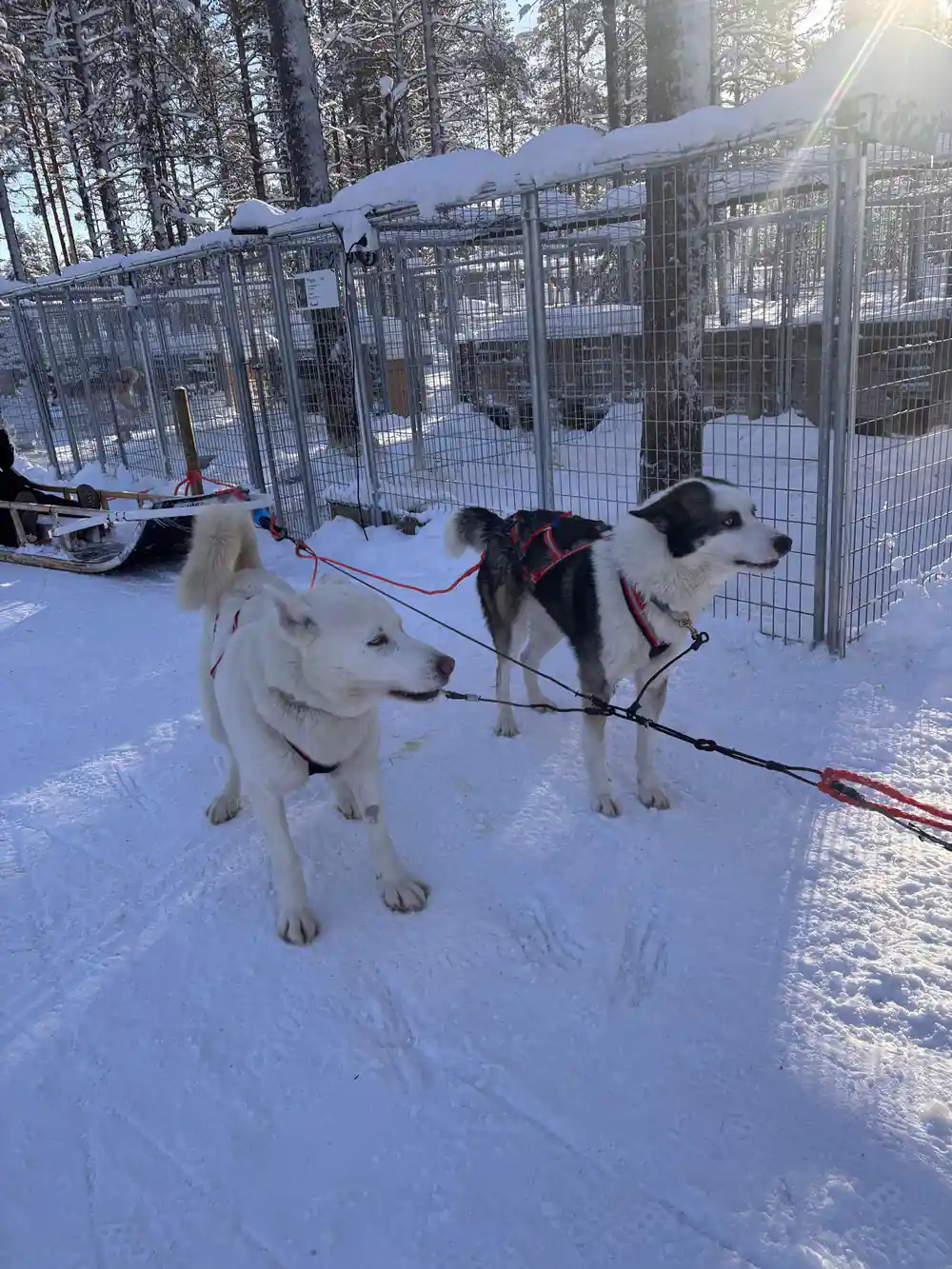
A husky's breath freezes mid-run across snowfields.
Kennel Hygiene and Annual Soil Renewal
Maintaining healthy sled dogs requires vigilance about the physical environment where they rest and recover between runs. At Apukka, the kennel area is designed with both the dogs' comfort and health in mind. Each dog has access to shelter, and the ground where they sleep is carefully managed to prevent contamination and disease. One critical practice is the annual soil renewal: the top layer of soil in the resting areas is completely replaced each year. This removes accumulated pathogens, parasites, and contaminants that could otherwise build up despite regular cleaning. The practice is labor-intensive but essential for maintaining the health of a large group of working animals.
The kennel team at Apukka conducts daily inspections for signs of injury, illness, or behavioral changes. Water is kept fresh and available at all times, and the shelter areas are mucked out regularly to ensure cleanliness. Visitors to the husky park in Rovaniemi often notice how alert and healthy the dogs appear, and this reflects the underlying commitment to kennel management. The annual soil renewal is just one element of a broader system that includes veterinary care, nutrition planning, and environmental design - all working together to keep the dogs thriving.
Winter Feeding and Adaptation to Cold
Working sled dogs consume far more calories than pets living sedentary lives, and winter training and racing demands are particularly intense. Apukka's feeding program reflects this reality: during winter months, the huskies receive high-protein, high-fat diets formulated to sustain their energy output and maintain body condition. The dogs are typically fed once daily, after work, which prevents digestive discomfort during runs. The food consists of quality meat-based meals supplemented with fats and carbohydrates - a composition that differs significantly from standard pet kibble. Hydration is equally critical; dogs working in cold, dry air lose fluids through respiration, and Apukka ensures that snow and fresh water are continuously available.
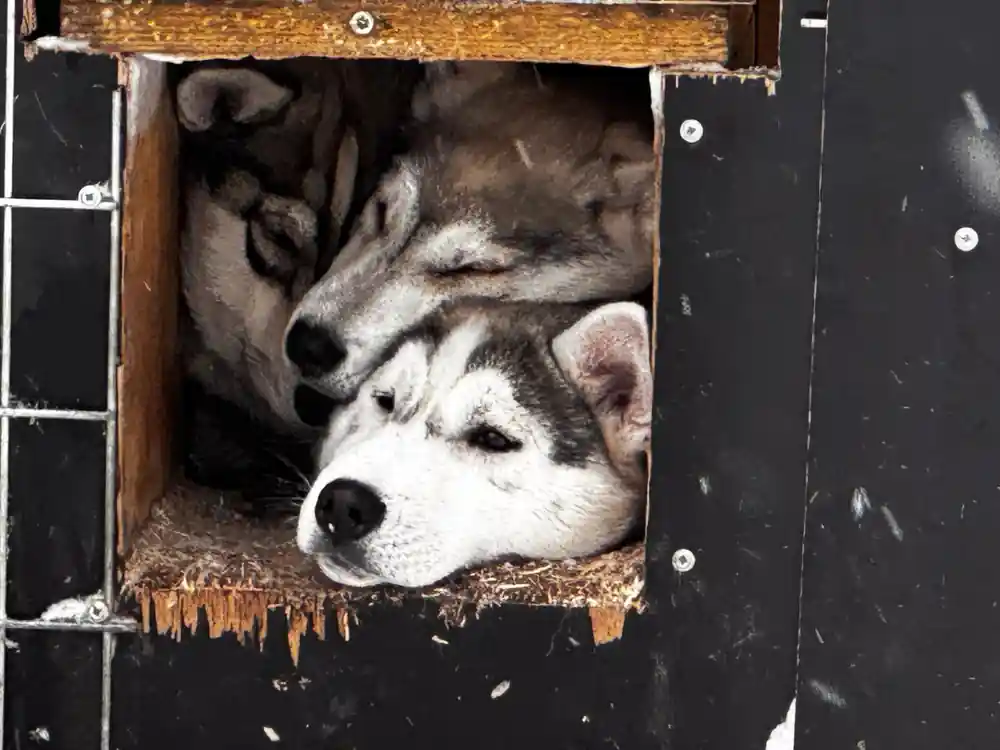
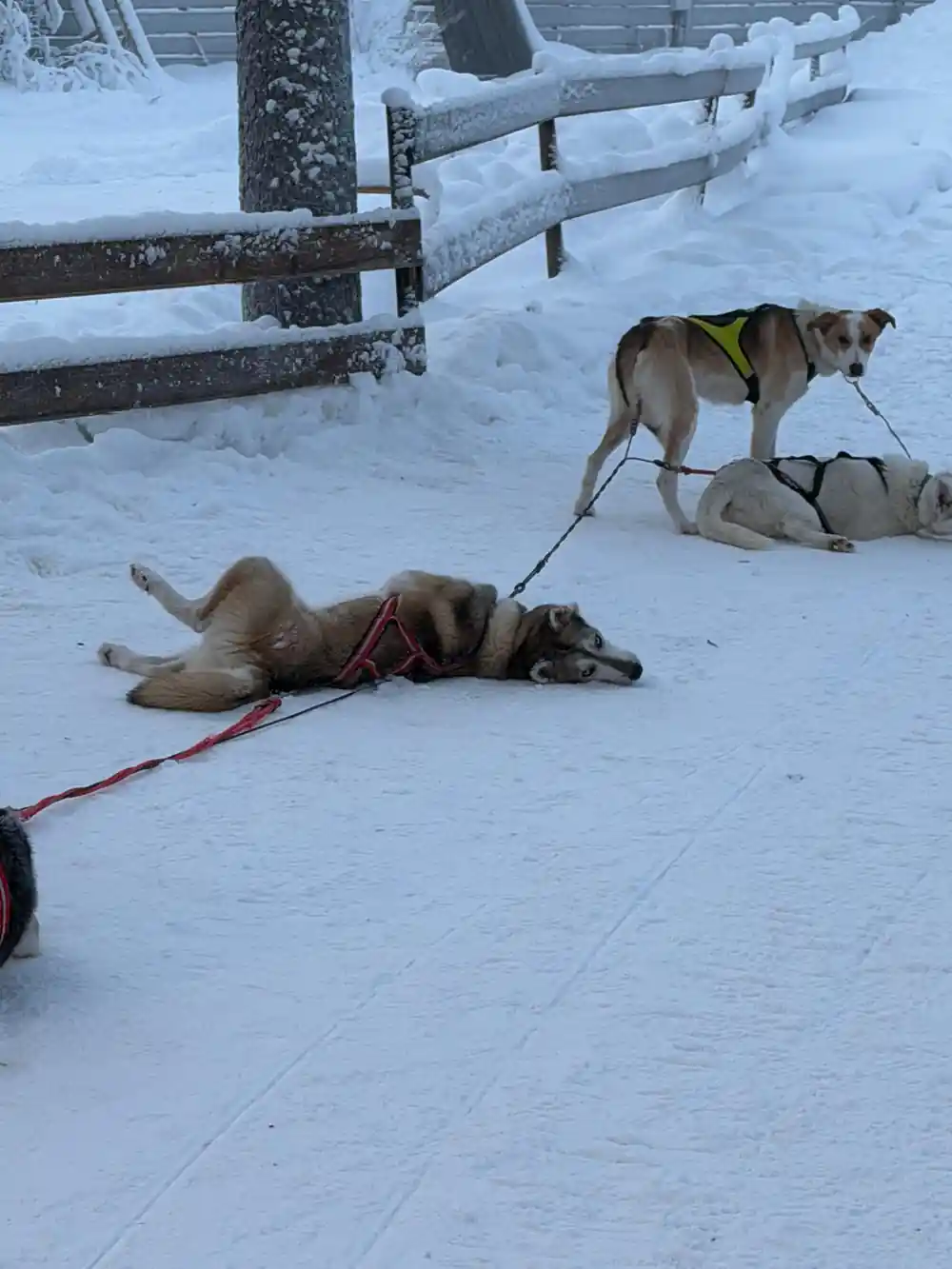
Huskies can sleep outdoors in extreme cold because of their remarkable physiology and coat structure. Their double coat traps air in multiple layers, creating insulation that functions like specialized cold-weather gear. They curl into tight balls to minimize exposed surface area, and their metabolism generates significant internal heat during sleep. At Apukka, dogs have access to shelter, but many choose to rest outside in the snow during milder winter nights, demonstrating their natural cold tolerance. This adaptation developed over generations in the Arctic, where these dogs worked in temperatures that would be fatal to breeds lacking their genetic and physiological advantages.
Puppies, Training, and Handler Bonds
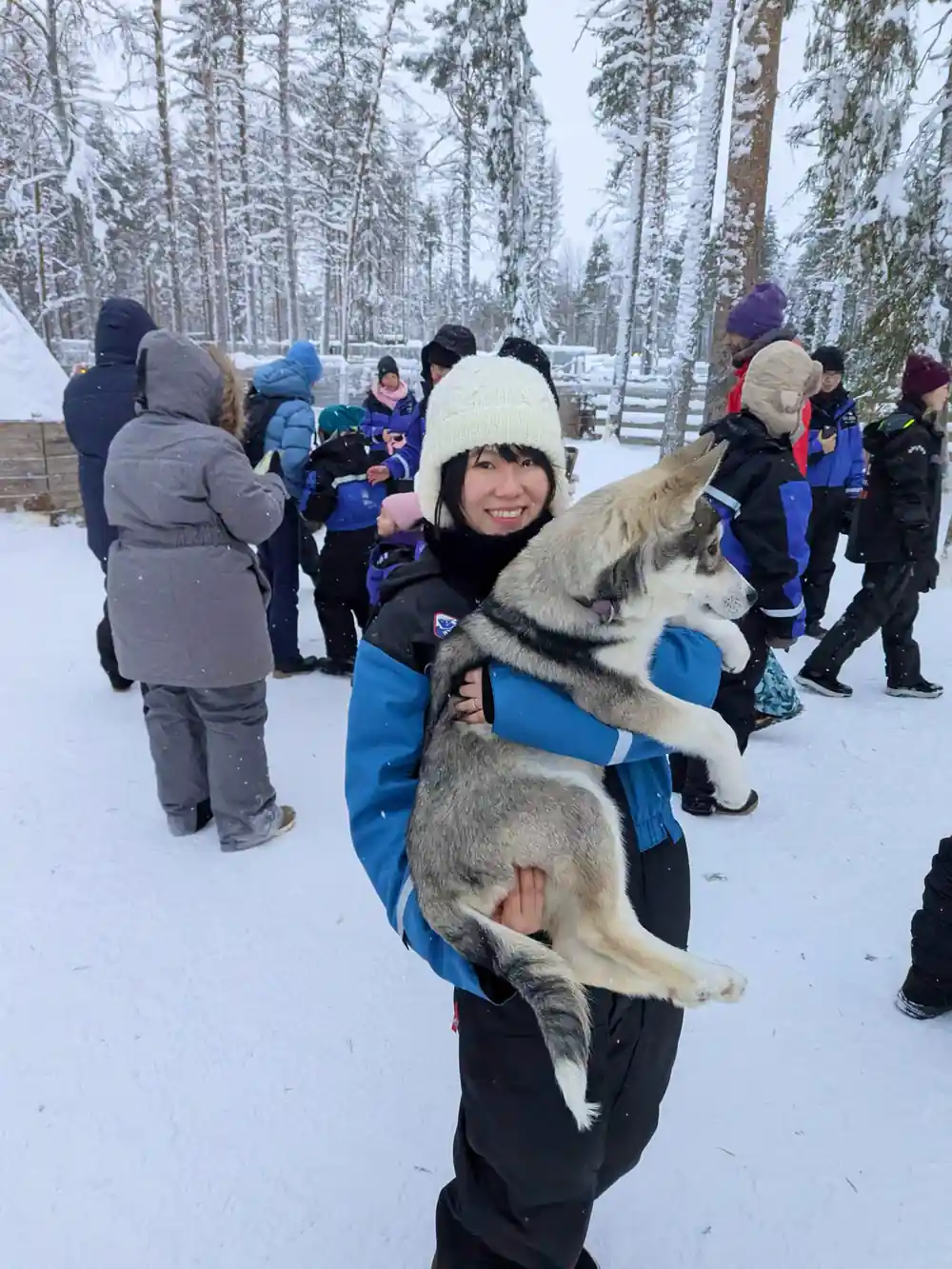
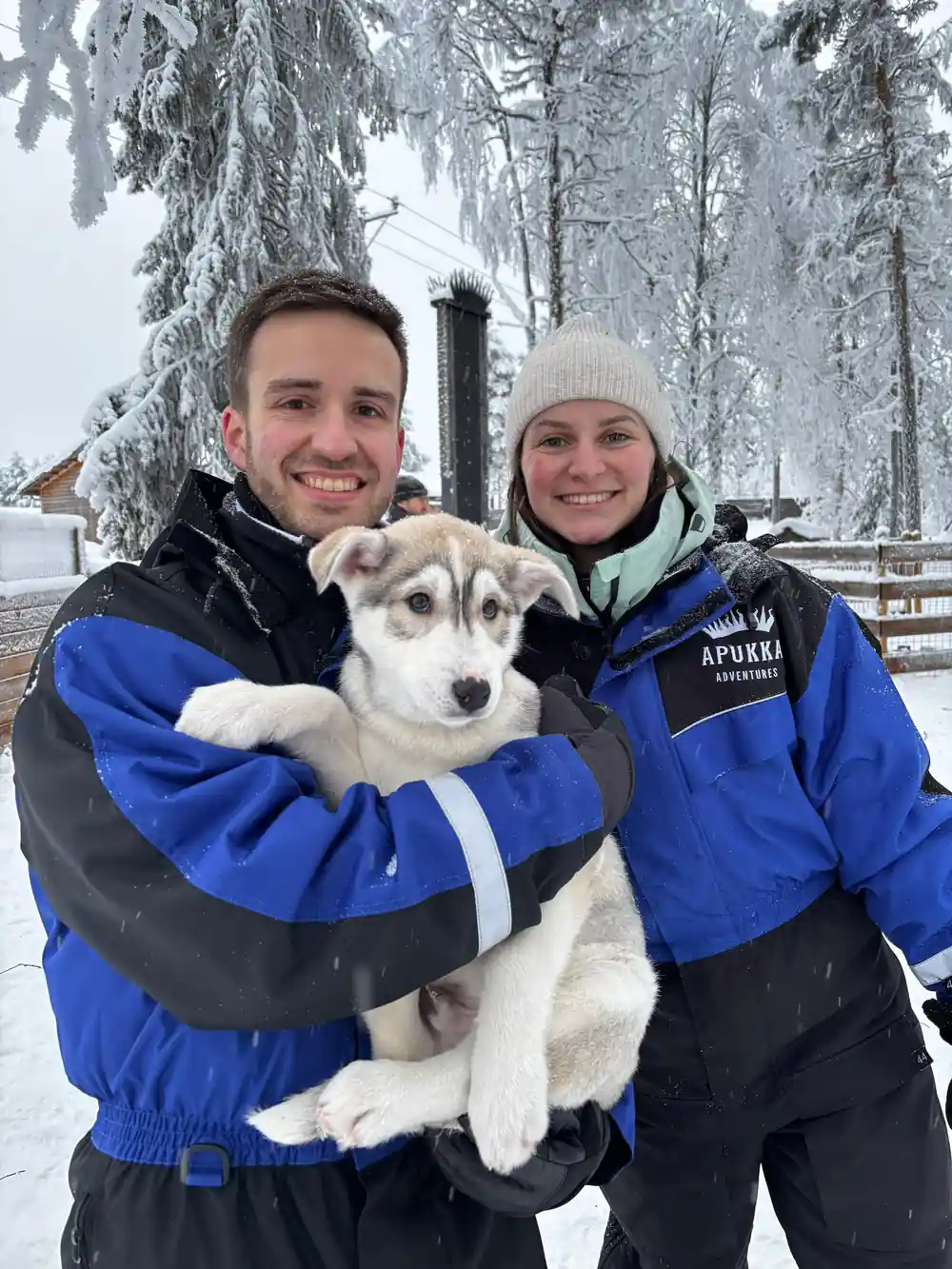
Apukka occasionally has puppies at the farm, and their raising follows a structured approach that builds the foundation for future sled work. Young huskies are exposed to harness, sledge, and other dogs in a gradual, positive manner during their first months. Play and socialization are critical; puppies learn to work as part of a team by playing with littermates and older dogs, developing the pack cohesion that makes later training possible. By the time a husky is old enough to pull a sledge, it has already internalized many of the behaviors and instincts required. Training is not about forcing a husky to work; it is about channeling natural inclinations and building precision around commands.
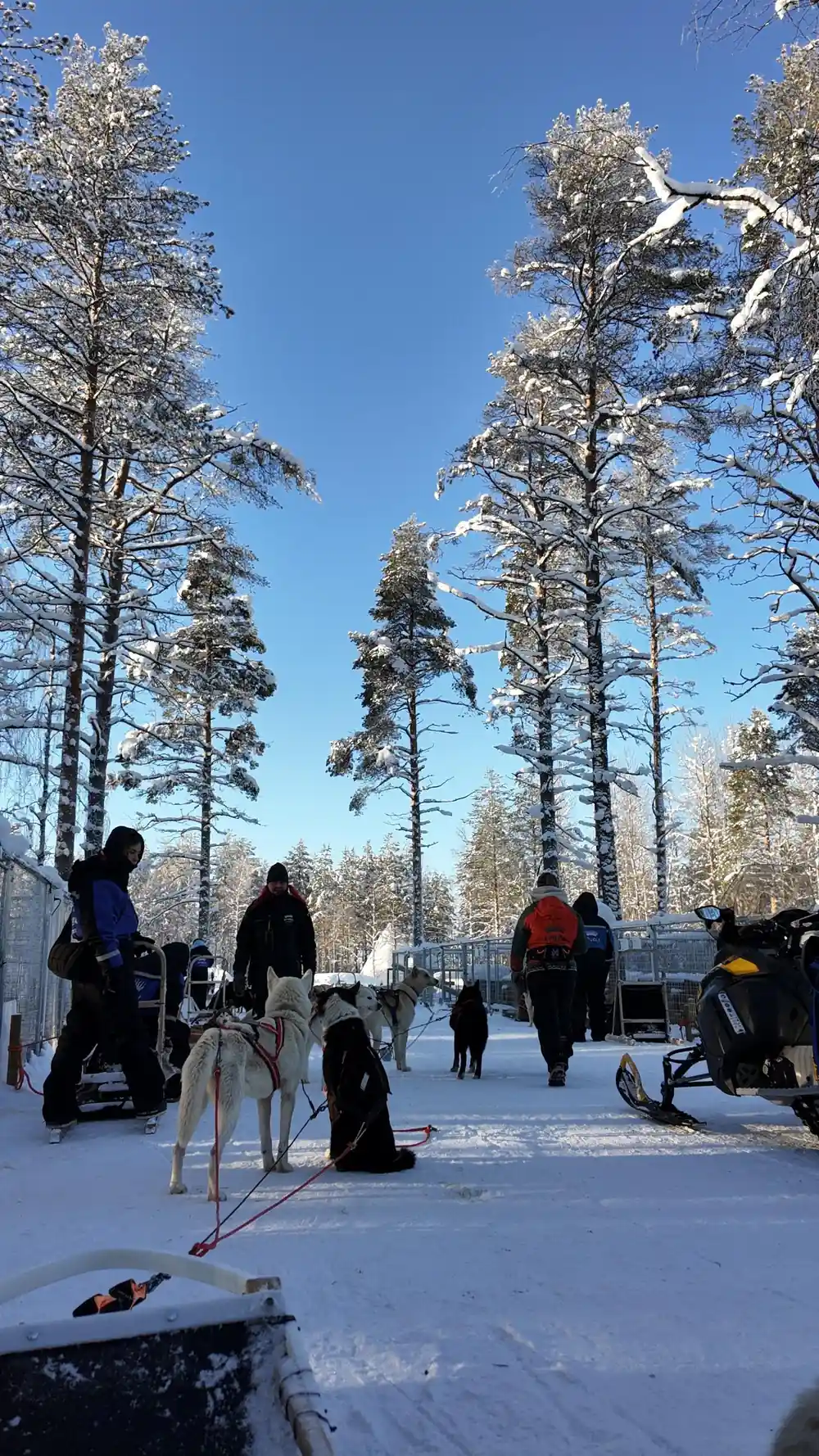
Handlers at Apukka develop profound individual bonds with their dogs through daily contact over years. Each handler learns the personality, quirks, and preferences of every dog in their care. One dog might be stubborn in the morning but eager after a brief warm-up; another might excel in lead position only with a particular swing dog as teammate. These nuances are invisible to casual observation but are known intimately by the people who handle the dogs daily. When you arrive for your experience, your musher will not just harness six random huskies; they will select a team composed of individuals whose temperaments and energy levels work well together and suit the conditions of the day.
Retirement and Life Beyond the Sledge
Sled dogs have finite working careers. Injuries, age, and changing performance naturally bring an end to racing and serious training work. At Apukka, retired dogs do not simply disappear; they transition into calmer roles or are retired to homes where they can live out their lives. Some mature dogs continue to participate in lighter work or tourist experiences, while others move to homes where they live as companions. The kennel's approach reflects the recognition that these animals have given significant effort and deserve dignity in their later years. Retirement plans are made well in advance, ensuring that every dog has a secure future once its working career ends.
Meeting the Dogs on Your 6 km Ride
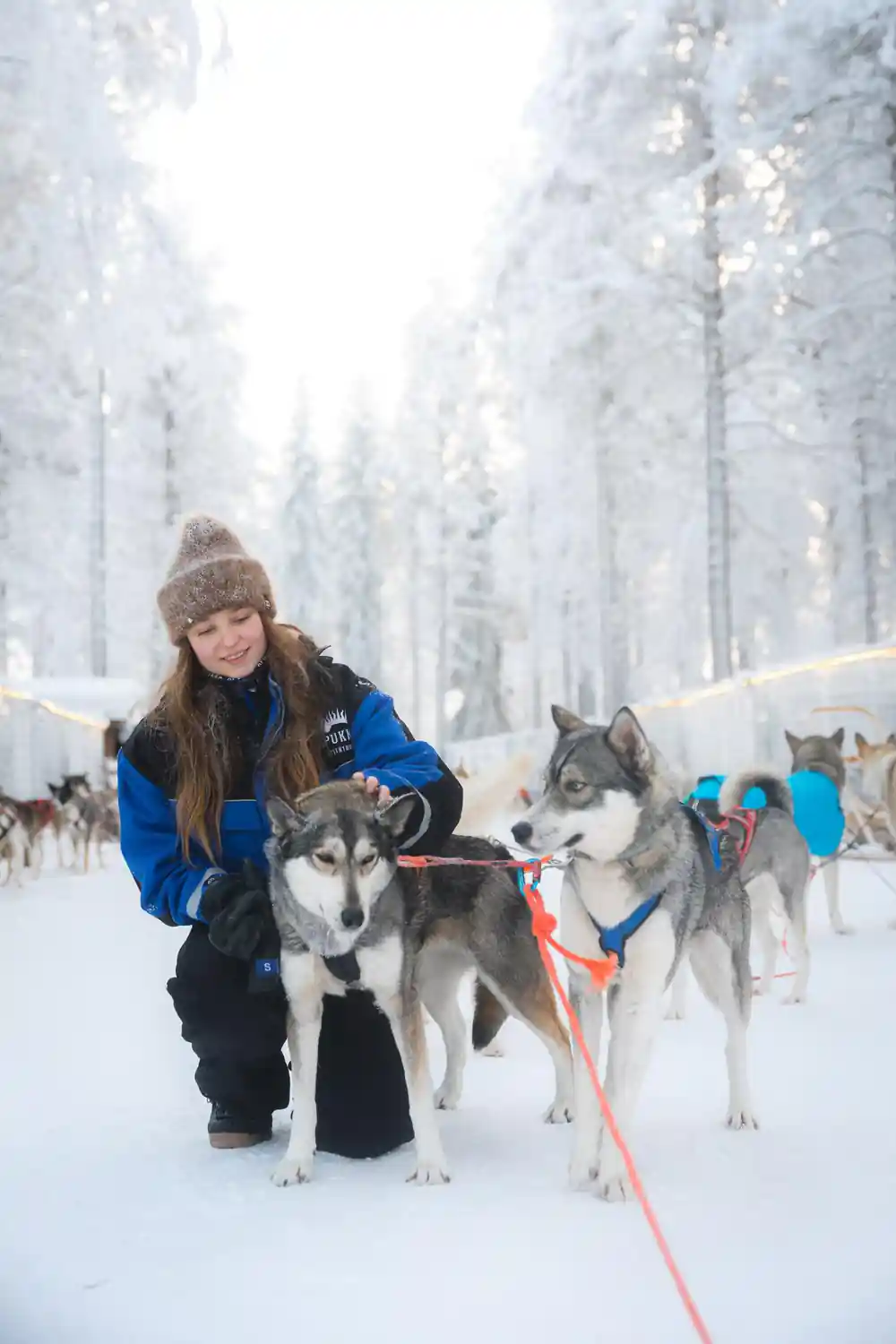
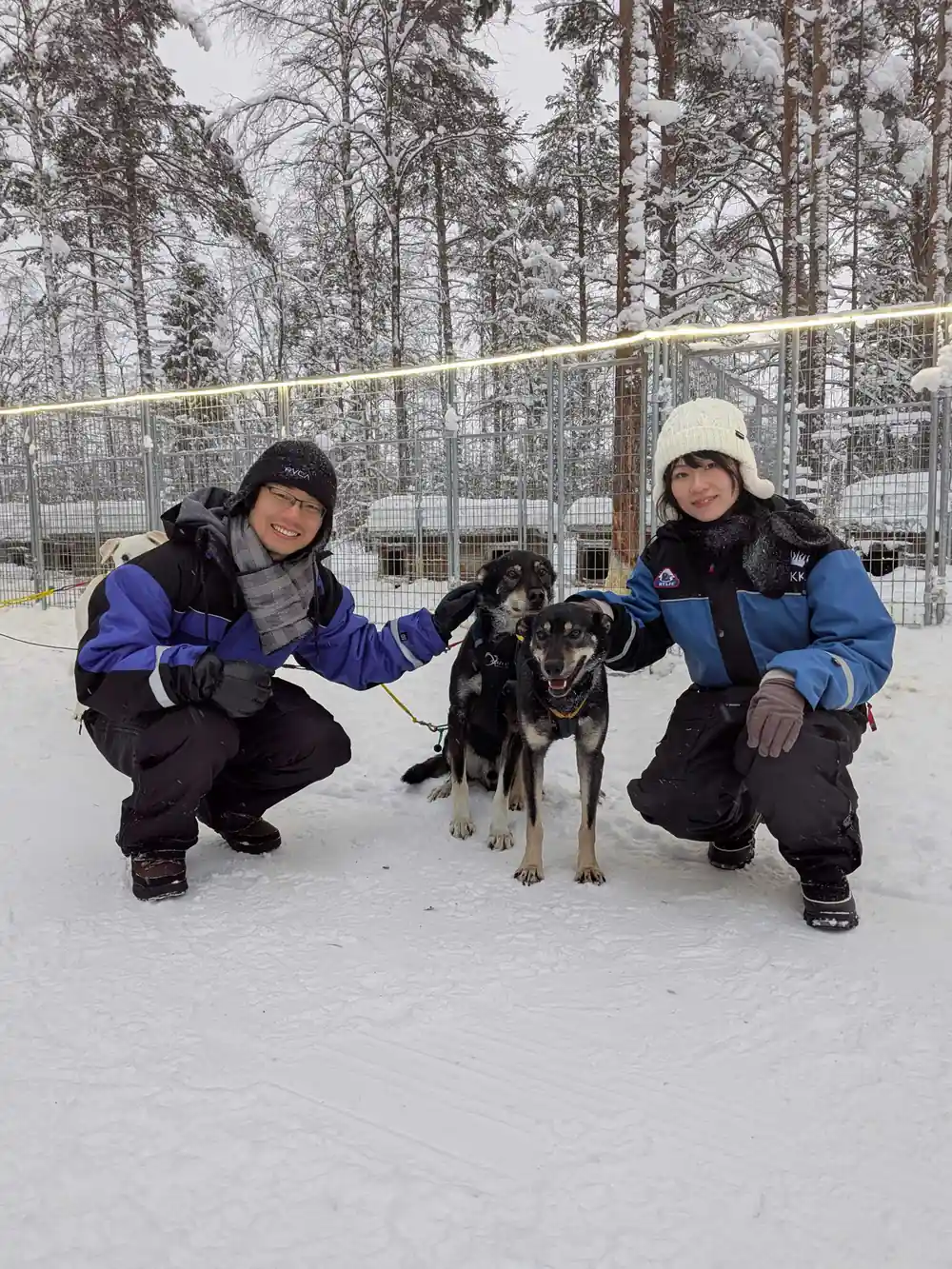
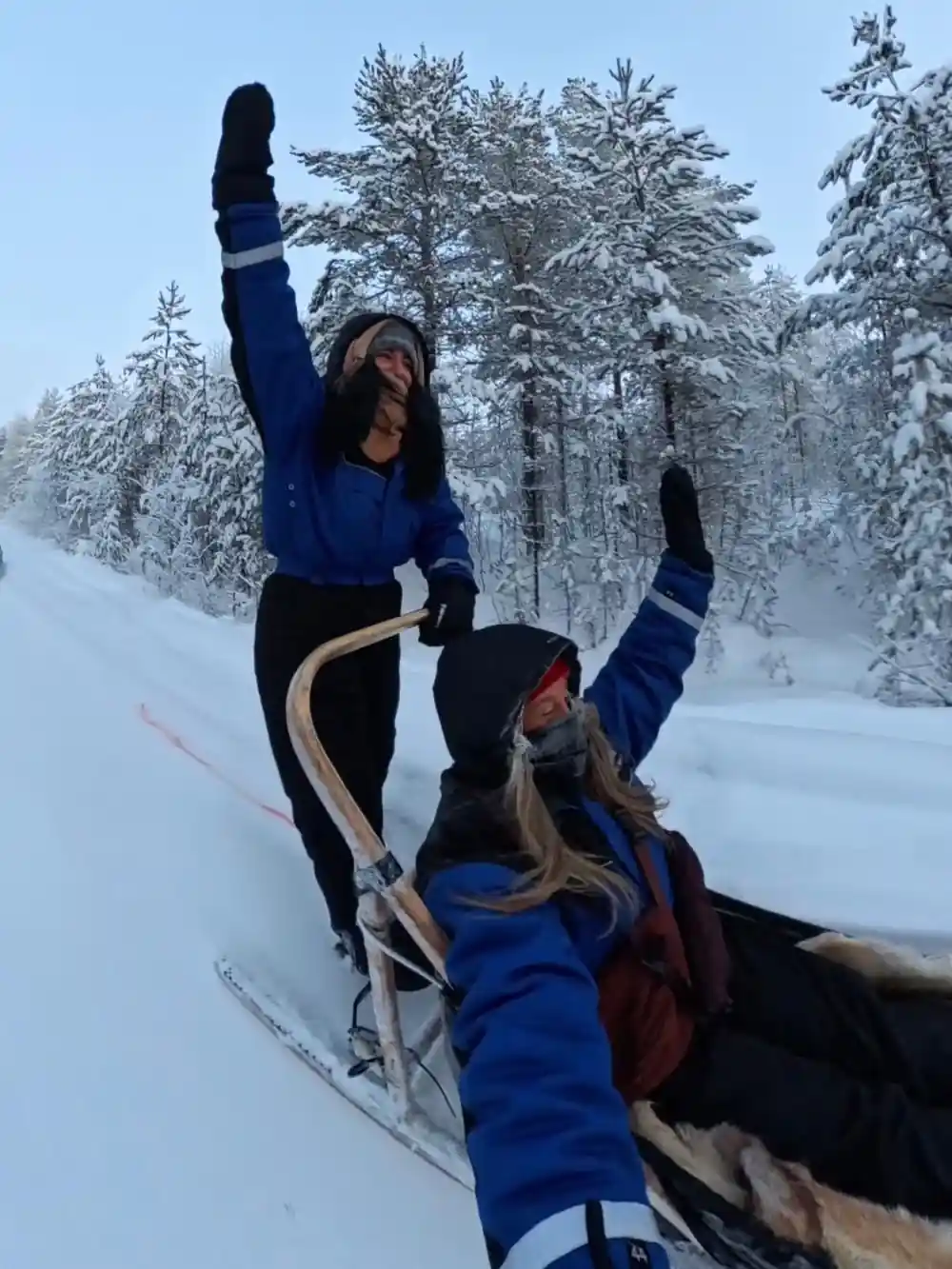
When you arrive at Apukka to begin your three and a half hour adventure, you will meet the team selected for your sledge. Your musher can share the names and stories of each dog - their personality, their favorite position in the team, and perhaps the quirks that make them recognizable individuals. You will learn why the lead dog was chosen for its responsiveness, why the swing dogs work well together, and why the wheel dogs lean into their harness with such commitment. This knowledge transforms the experience from a simple amusement into an encounter with real athletes whose lives are dedicated to running. Petting the huskies before and after your ride allows you to feel the muscular build beneath the coat and to witness their eagerness firsthand. The dogs you meet are not generic sled animals but distinct individuals who have been developed, trained, and cared for by people who know them profoundly.
Ready to run with these remarkable athletes?
from US$253Reserve now & pay later
Quick answers
What breed are the sled dogs?
Why do huskies love to run in harness?
How are dog teams arranged?
Why is kennel soil renewed each year?
What happens to dogs when they retire?
How do huskies survive extreme cold?
What do sled dogs eat in winter?
Are there puppies at the farm?
How are young dogs trained from puppyhood?
Do handlers know each dog individually?
-
★★★★★
The handlers knew every dog by name and personality. You could see the genuine bond.
 Lily C.
-
★★★★★
These huskies are so well cared for. The team was healthy, energetic, and absolutely joyful.
 Ava M.
-
★★★★★
I was amazed at how the handlers explained each dog's role and training journey with such care.
 Stuart H.
-
★★★★★
The dogs were in excellent condition. It's clear Apukka prioritizes their welfare above all.
 Oscar N.
-
★★★★★
You could tell these aren't just working dogs - they're loved members of the kennel community.
 Charlotte P.
-
★★★★★
The handlers' knowledge of individual personalities made the whole experience feel personal and ethical.
 Isla L.
-
★★★★★
Seeing how fit and happy the huskies were gave me complete confidence in Apukka's practices.
 Frank G.
-
★★★★★
The staff explained their training methods with such passion. The respect for the dogs is real.
 Uwe S.
-
★★★★★
Each husky had its own character, and the handlers celebrated what made every dog special.
 Susanne H.
-
★★★★★
I left knowing these dogs are genuinely treasured. That made the adventure truly meaningful.
 Luis M.