In a nutshell
- You can photograph during your 6 km sled run, though both hands grip the reins. Plan for phone cameras or compact gear that survives extreme cold.
- Batteries drain fast in winter temperatures. Bring a fully charged spare phone or power bank kept inside your thermal clothing to stay ready.
- The team documents your adventure. Ask what images they shoot and how you can access them after your ride ends.
- Check with Apukka directly about mounting action cameras to sleds or using other recording devices during your husky experience.
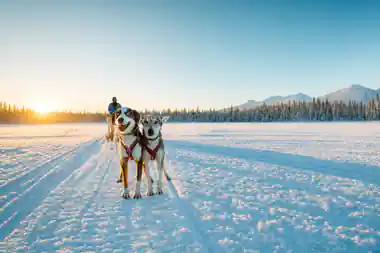
- Low Arctic daylight favors the soft golden hours near midday. Position yourself and the huskies with natural light behind you for clearer shots.
Shooting on the Move: Hands, Sled Control, and Camera Gear
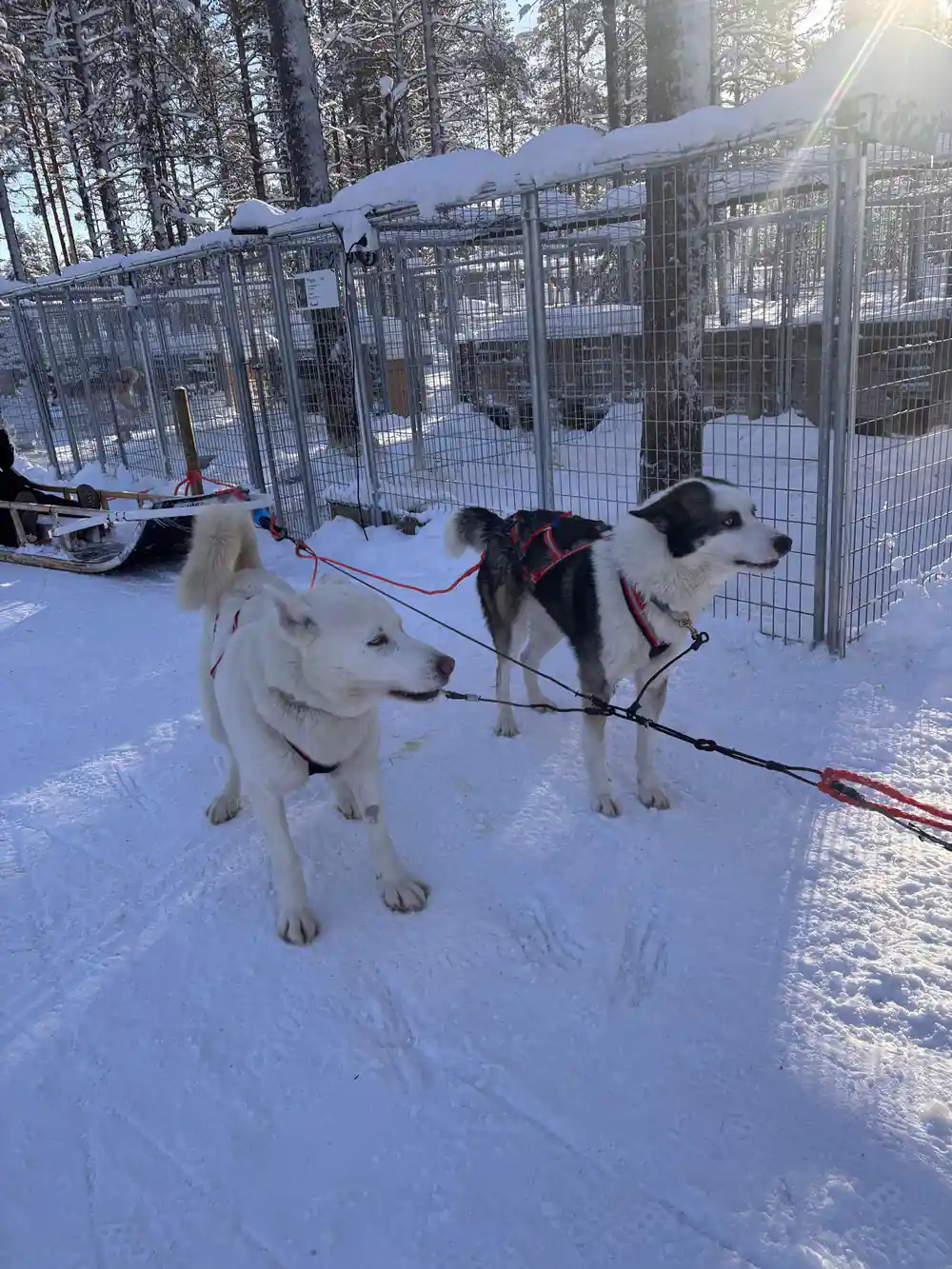
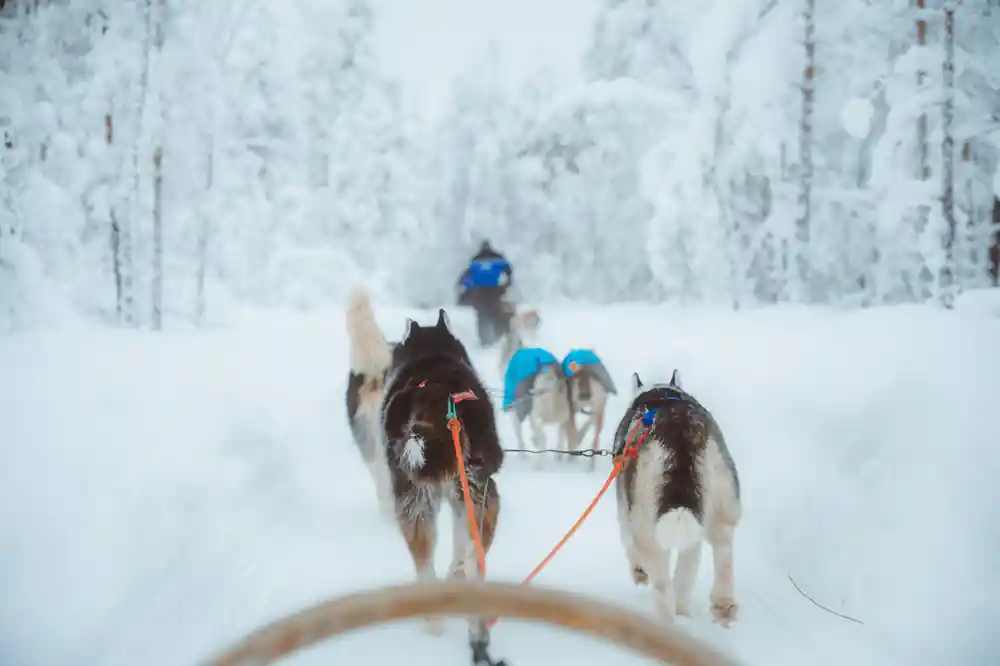
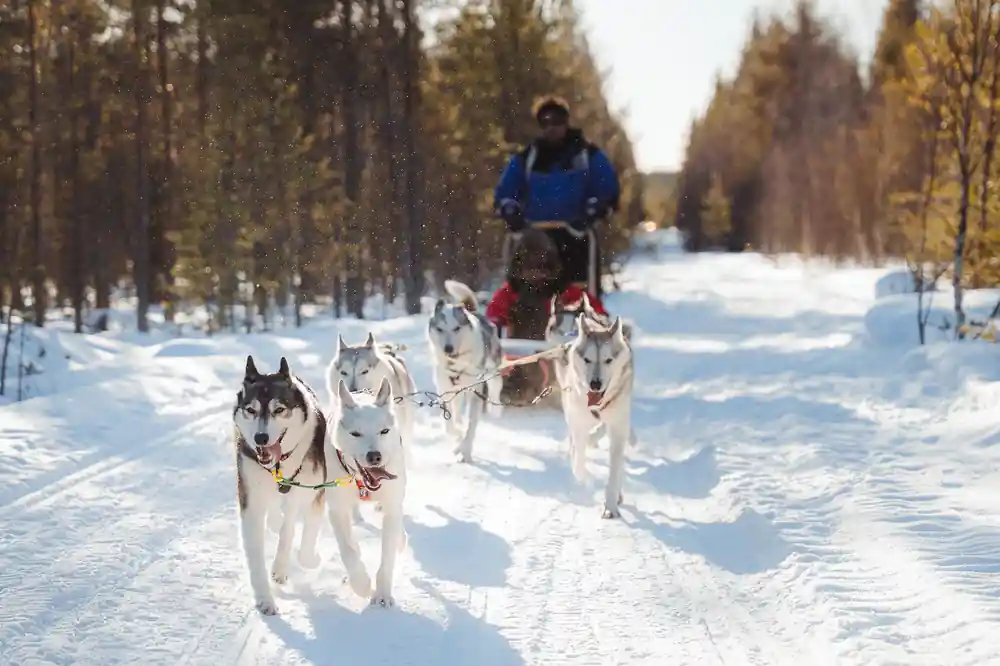
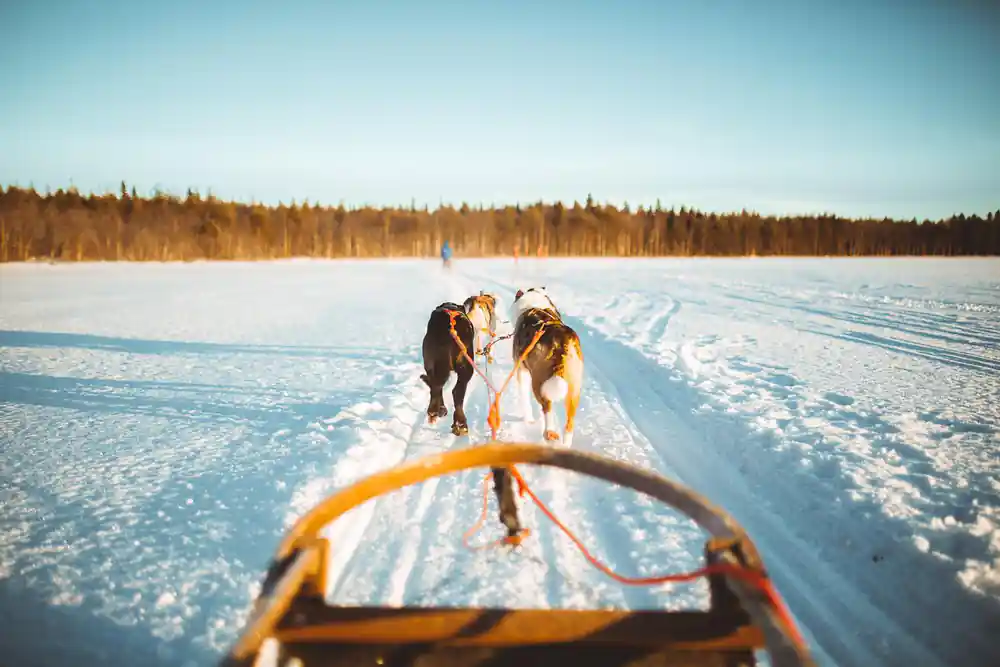
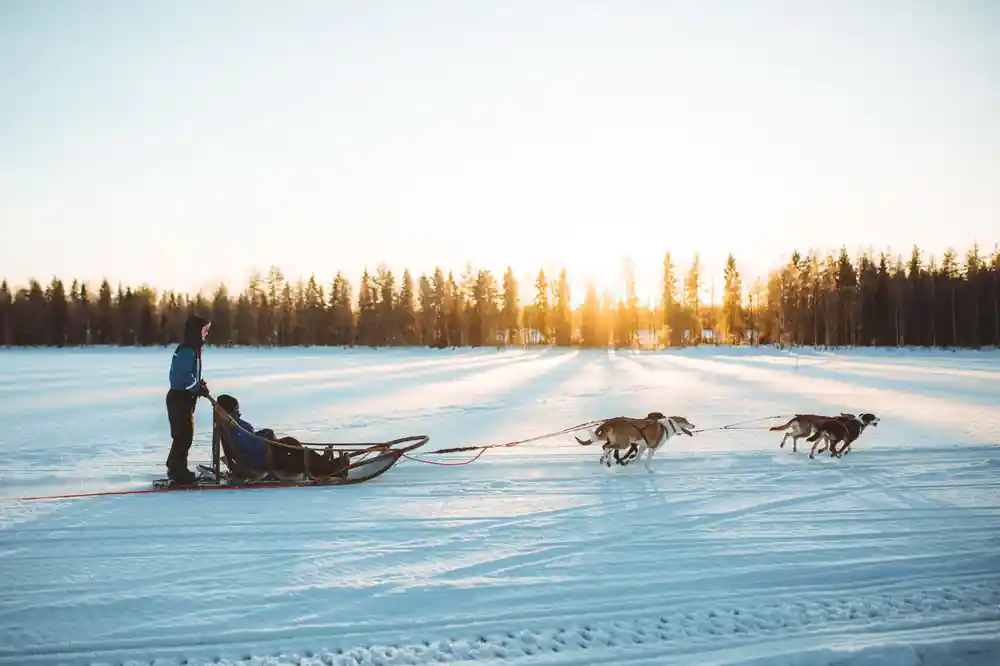
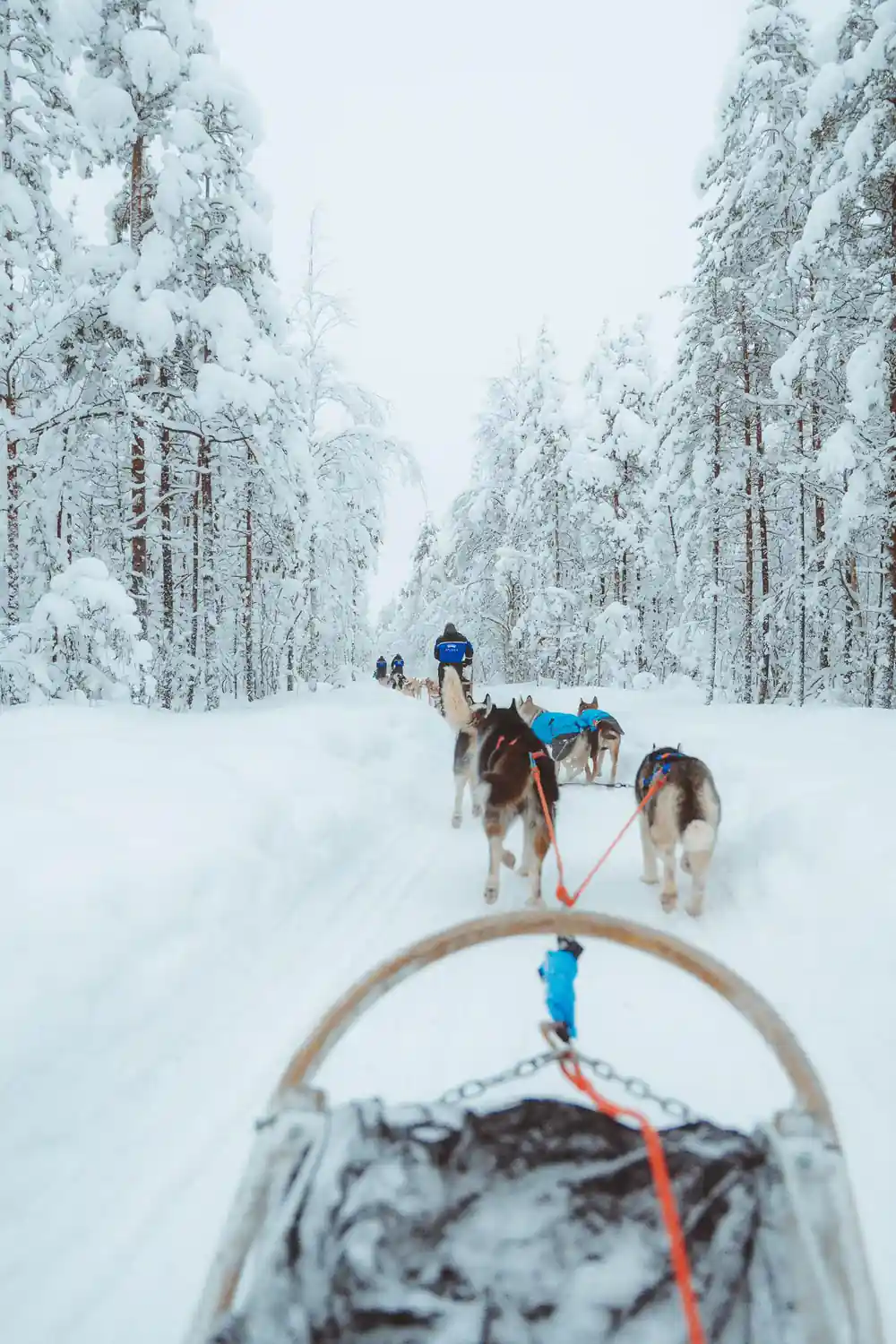
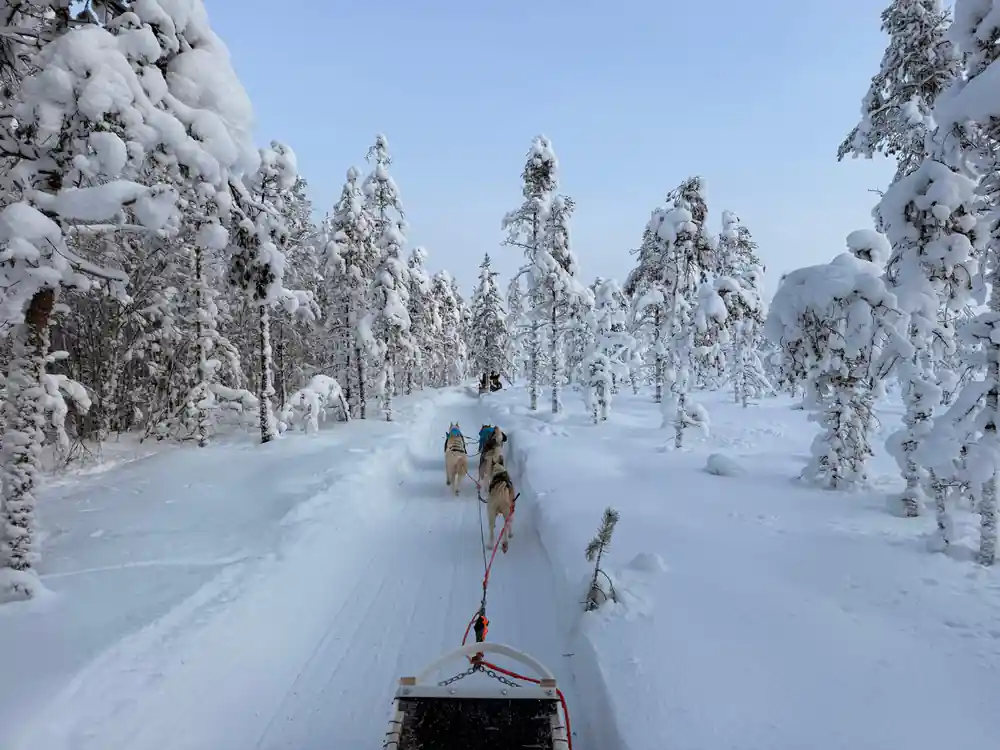
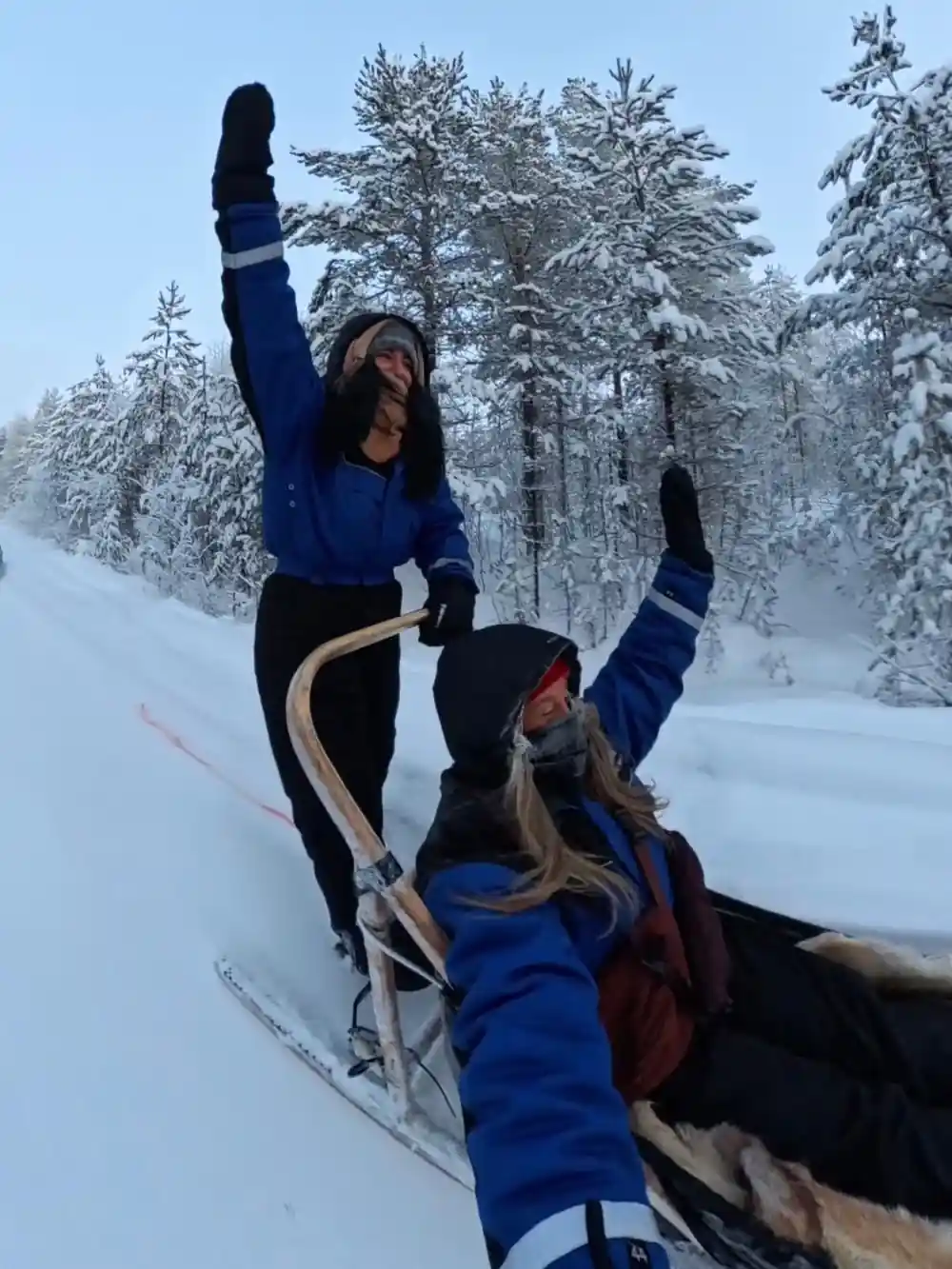
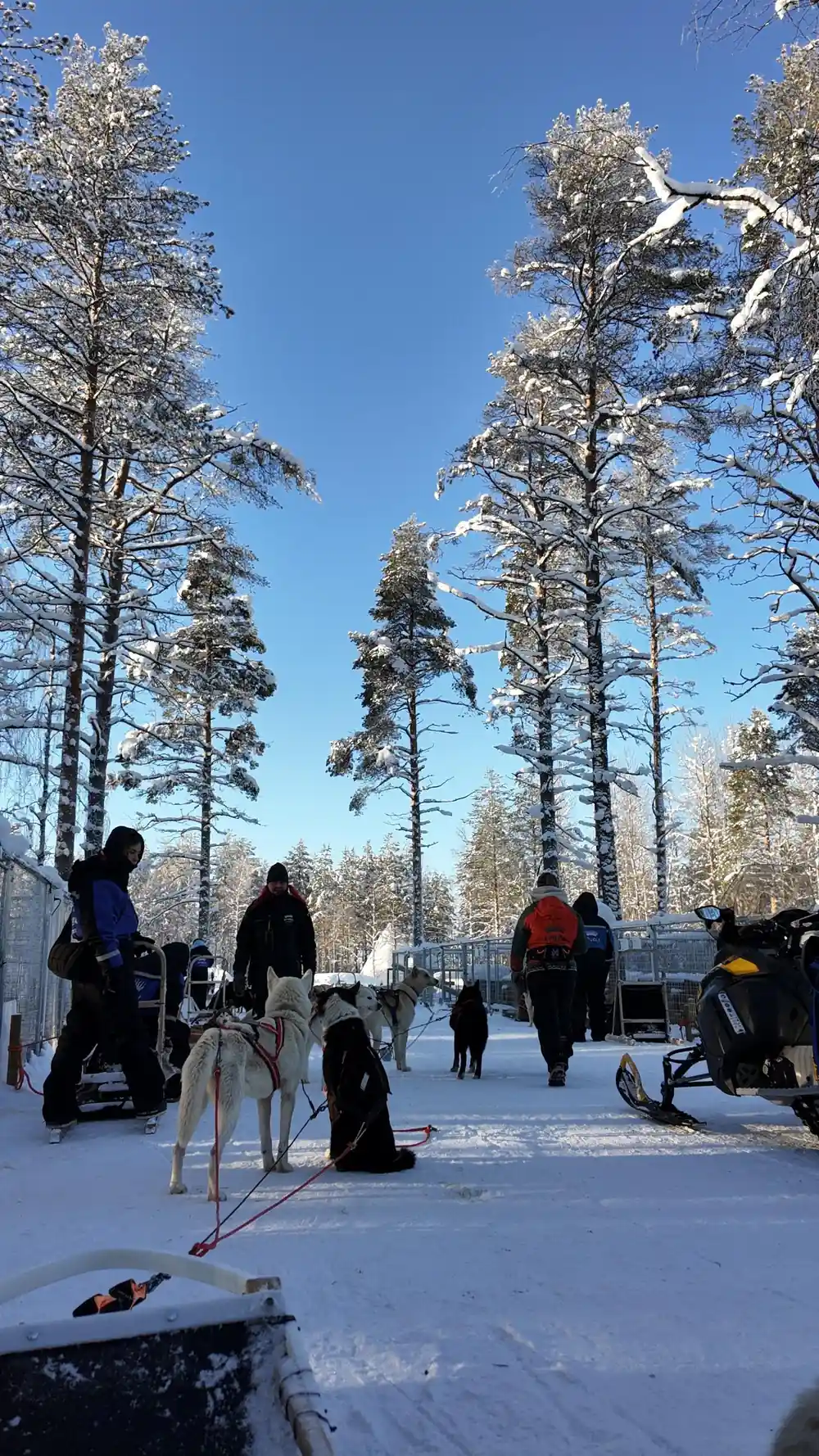
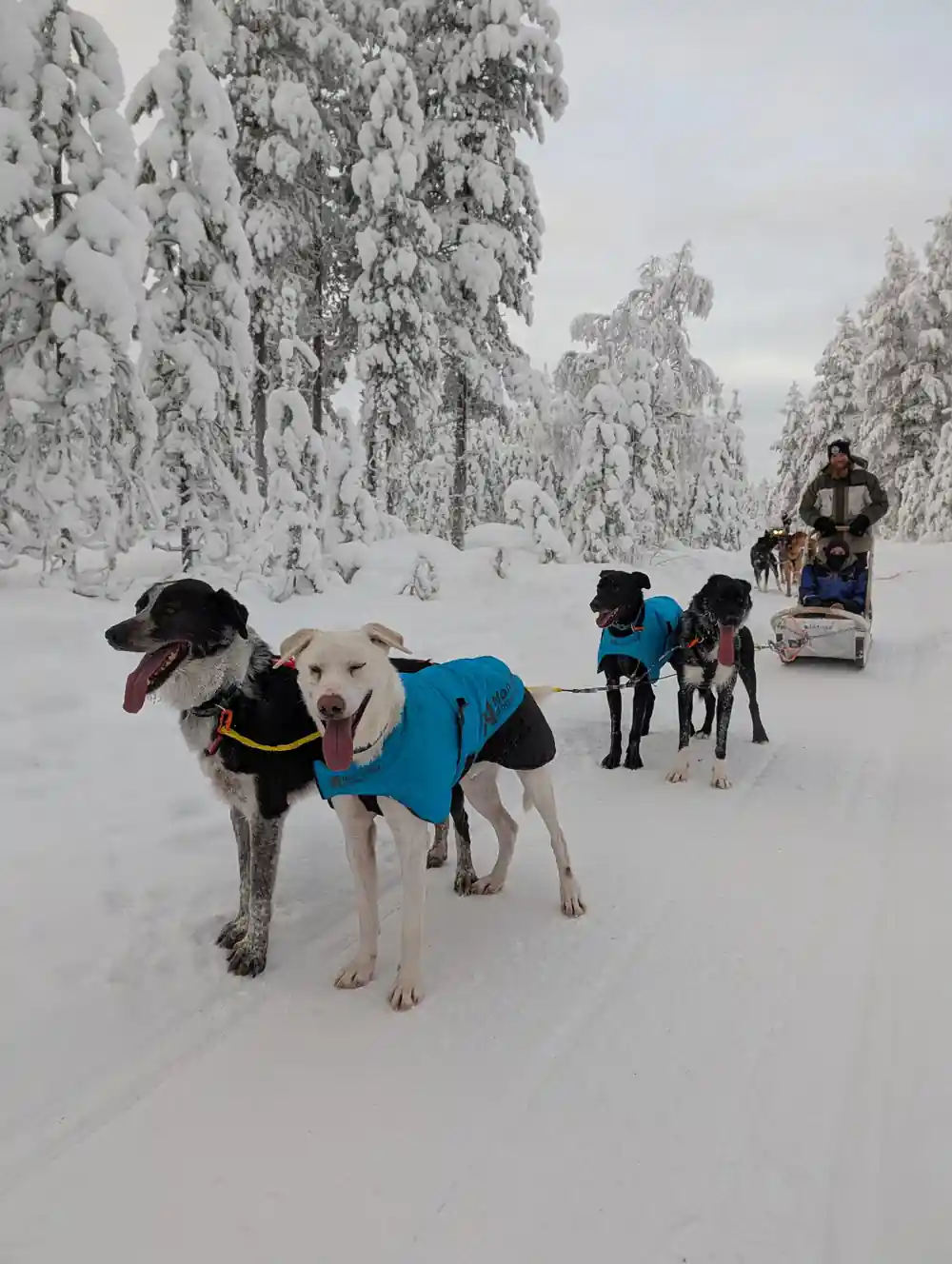
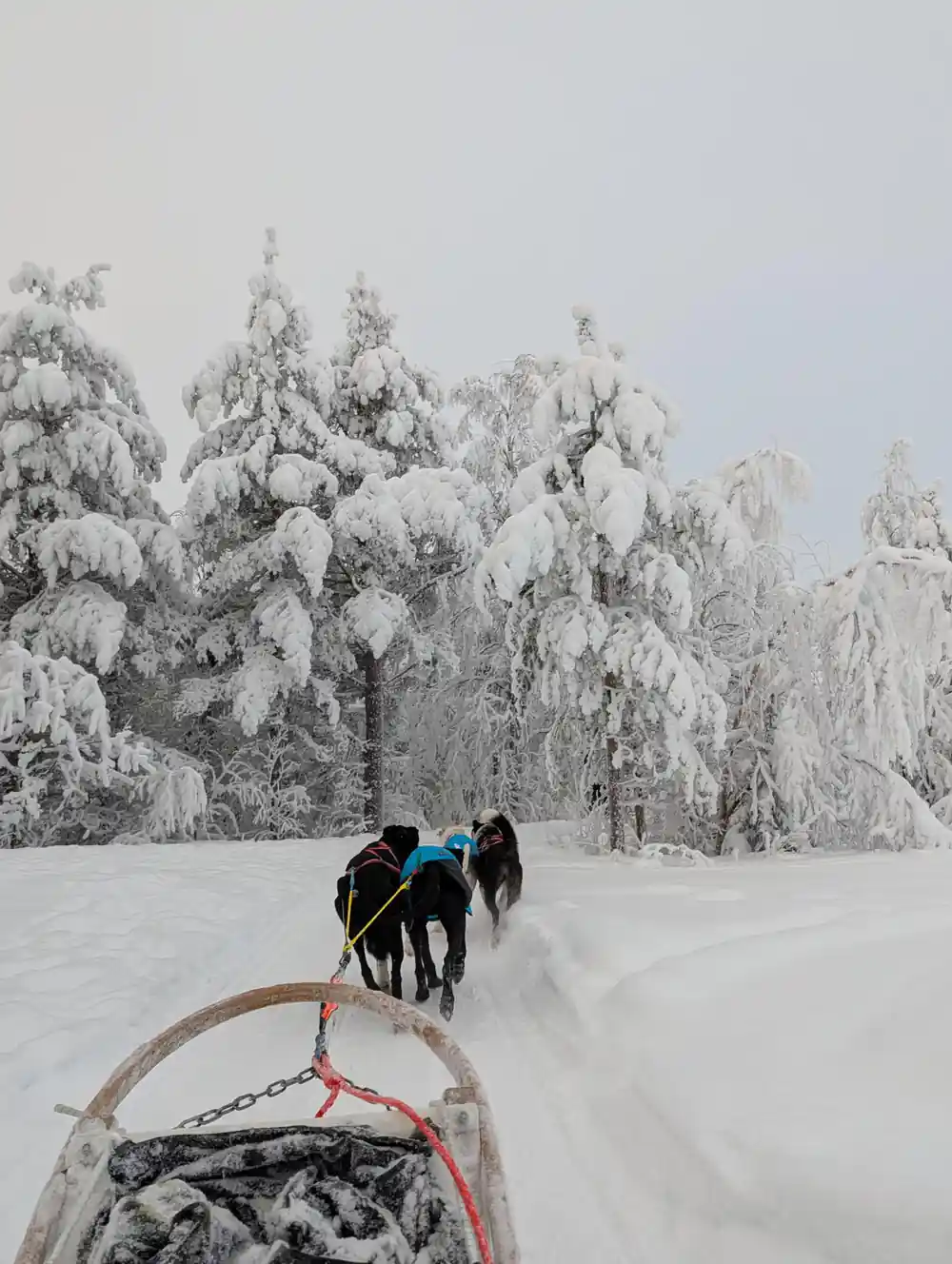
Driving a husky sled demands both hands on the driving bow and your full attention on the dogs and terrain ahead. This leaves little room for handheld photography during the 6 km ride. Your best approach is to secure a camera or phone using a chest mount or handlebar attachment, which keeps your hands free for steering and braking. Alternatively, plan to photograph at stops along the route, where you can safely set down the reins and capture images of your team, the landscape, and your companions. Many visitors find that stopping to frame shots of the huskies against the snow-covered forest delivers far better results than attempting to shoot mid-ride.
The sled's brake lever sits at one side of the handlebar and requires quick reflexes in snow and trees. Any camera rig you attach must not interfere with brake access or your grip. Secure mounts should sit on your chest or helmet, angled to capture the view ahead and the lead dogs. This setup also means you cannot hold a phone to your ear or fiddle with settings; everything must be preset before you push off. Test your mount and camera settings during the initial gathering at Apukka Resort before the team heads out.
Why Your Phone Battery Fails in Arctic Cold
At temperatures around -20°C and below, lithium-ion batteries in phones and cameras undergo a chemical slowdown. The electrolyte inside becomes sluggish, internal resistance spikes, and voltage drops sharply. What shows as a 60% charge at room temperature can plummet to zero within minutes once you step outside. You may see your phone power off, then power back on once it warms up indoors, even though it lost no actual capacity. This is temporary but frustrating if you've planned to shoot photos during the ride.
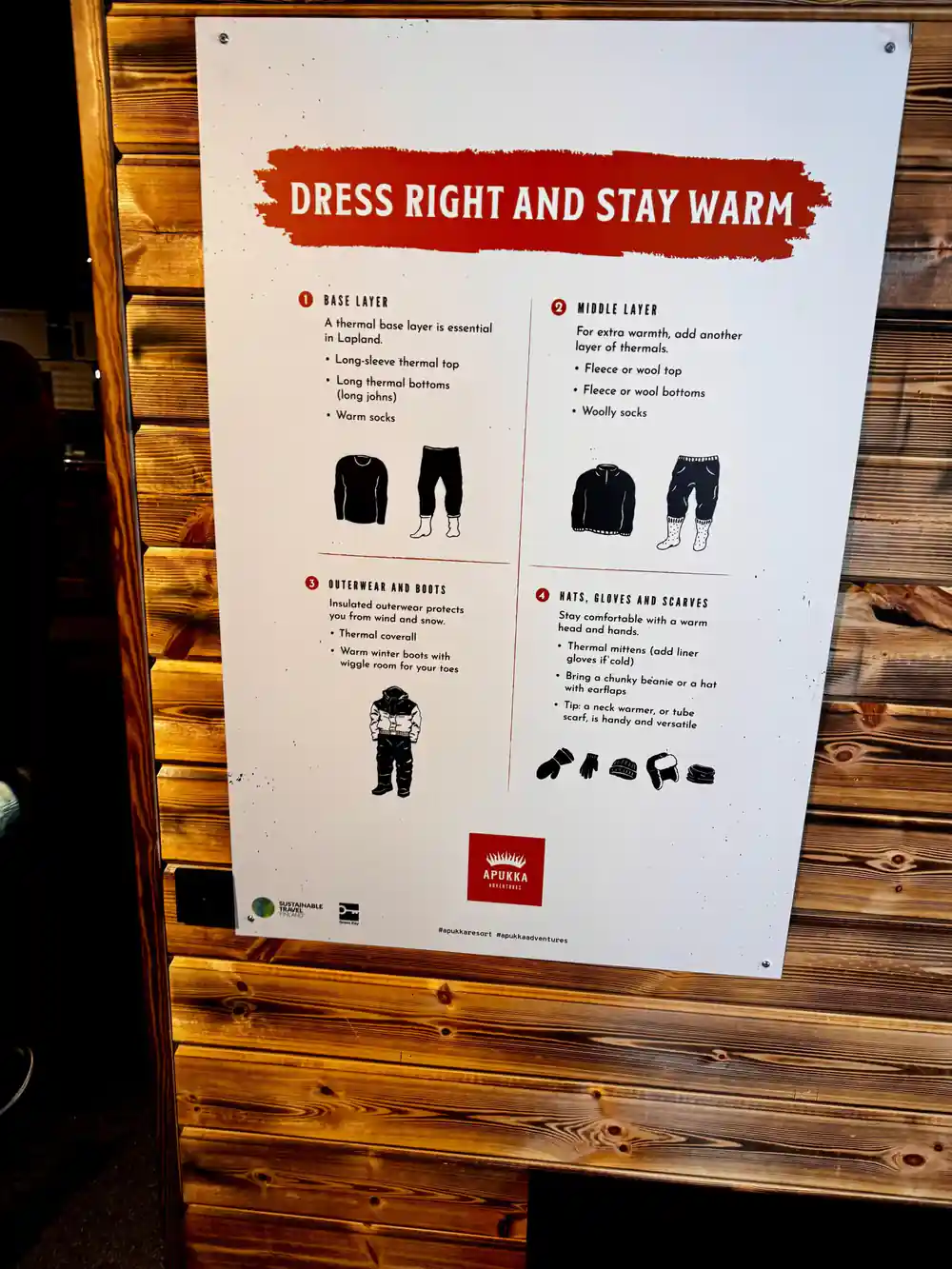
To keep your phone and camera alive, place them in an inside pocket close to your body heat, not in an external pack. Rovaniemi's winter clothing provided for this tour - thermal overall and mittens - offers some insulation, but an inner layer of wool or fleece gives better protection. Remove the device only when you need to shoot, then return it to your pocket immediately. Consider bringing a small battery bank rated for cold weather, stored in the same inside pocket. Avoid turning the phone on and off repeatedly; leave it in low-power mode and let it stay close to your core. By the time you return to Apukka and step indoors, both phone and camera will recover fully.
GoPro and Chest-Mount Camera Rules
GoPro cameras and similar action cams are popular for documenting husky rides because they capture wide-angle footage hands-free. At Apukka, chest-mounted cameras are permitted, provided they do not obstruct your view or interfere with your ability to grip the reins and operate the brake. A standard chest harness positions the camera low enough that it records the dogs and trail ahead without blocking your line of sight to the team. The mounting should be secure - test it before the ride begins to ensure cold temperatures and bouncing terrain will not dislodge it.
Wide-angle GoPro footage often includes heavy distortion, which can look dramatic but sometimes obscures small details like individual husky faces. Many visitors prefer to use a GoPro for establishing shots and scenic pans, then switch to a phone or compact camera at rest stops for close-up portraits of the dogs. If you plan to mount a camera on the sled itself - rather than on your body - confirm this directly with staff before arriving, as different operators have different policies on equipment placement and weight distribution on the sled.
Drones and Aerial Photography Policy
Drones are not permitted at Apukka Resort or the surrounding husky farm. This policy exists for several reasons: the noise and movement of a drone can stress the huskies, the airspace overlaps with other activities and residential areas, and operators must comply with Finnish aviation regulations that restrict drone flights near populated areas and animal facilities. Even if you hold a drone license elsewhere, bring no aerial equipment to this tour.
If aerial shots are important to your travel photography, consider booking a dedicated helicopter or fixed-wing scenic flight over Rovaniemi on a separate day. These services operate from established airfields with proper permits and will capture the landscape and husky farm from above without disrupting the animals or tour operations. Your photographs from the ground - particularly portraits of the huskies and wide shots of the snowy forest - will be far more intimate and memorable than any distant aerial view.
20°
Smartphone batteries can lose up to 50% capacity in Arctic temperatures below minus 20 degrees Celsius.
Shooting in Low Winter Light and Blue-Hour Conditions
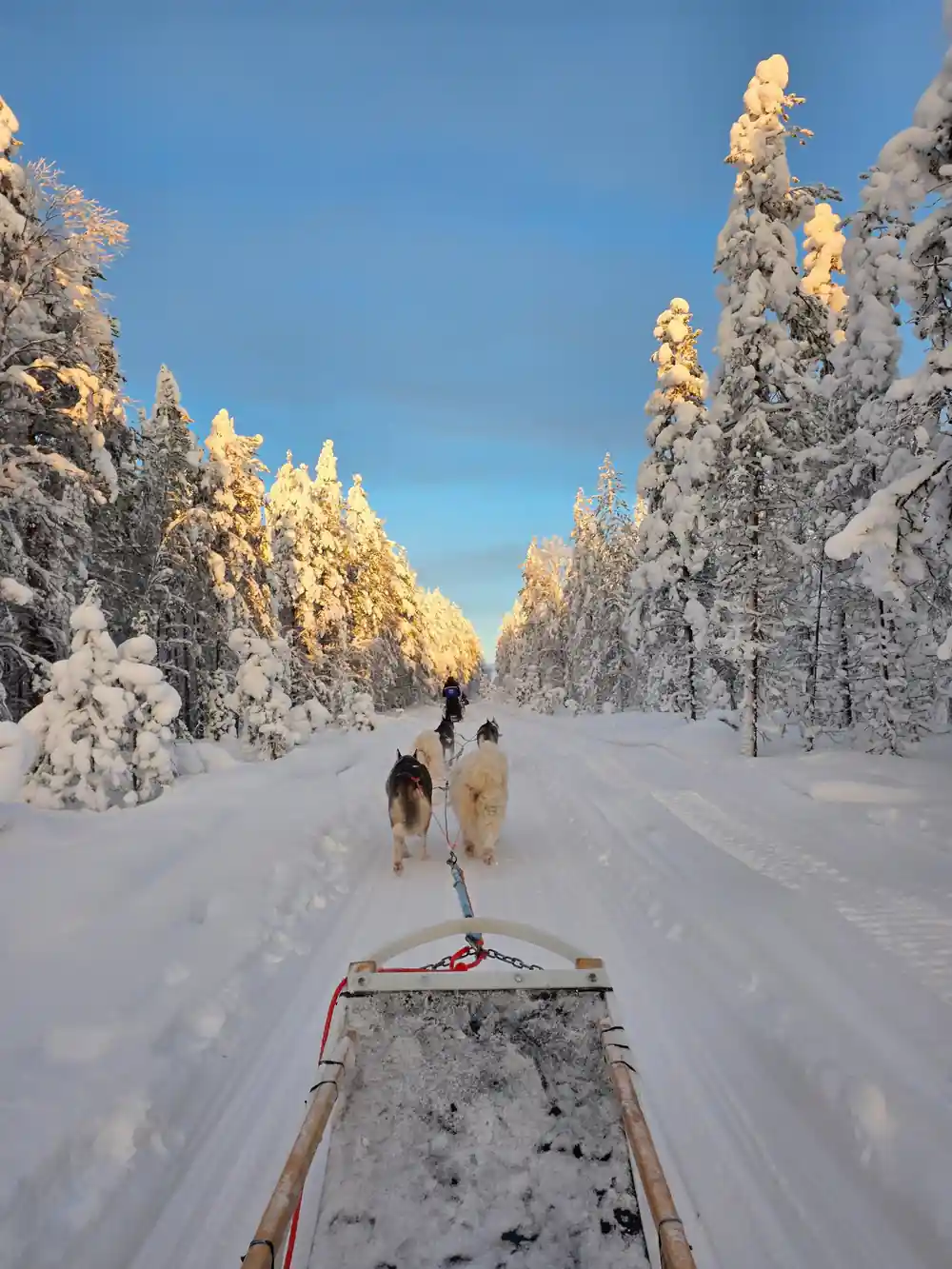
Rovaniemi in winter has only a few hours of twilight; the sun dips below the horizon in early afternoon and does not return until late morning. This means the 3.5-hour tour likely falls within the blue hour - that window of soft, indigo-tinted light before complete darkness. This light is beautiful for photography but tricky: your phone's auto-exposure will struggle, and colors shift toward cool blue rather than warm daylight tones. To photograph huskies in this light, use your camera's portrait or night mode, which increases sensitivity and opens the aperture wider. Avoid using flash directly on the dogs' faces; instead, bounce the flash off snow or use a diffuser to soften the light.
If you want warmer, golden tones, ask Apukka about afternoon departure times versus morning slots; afternoon rides are more likely to catch the brief window of low angled sun. At rest stops, position yourself with the low sun behind or to the side of the huskies so their fur catches the warm glow and creates rim lighting. Shadows will be long and dramatic - use them to add depth to your composition. Bring a polarizing filter if you have one; it reduces glare off snow and deepens the blue sky during twilight. Manually adjust your white balance toward warm rather than auto, or shoot in RAW format and correct the color temperature later.
Best Locations for Husky Portraits During the Ride
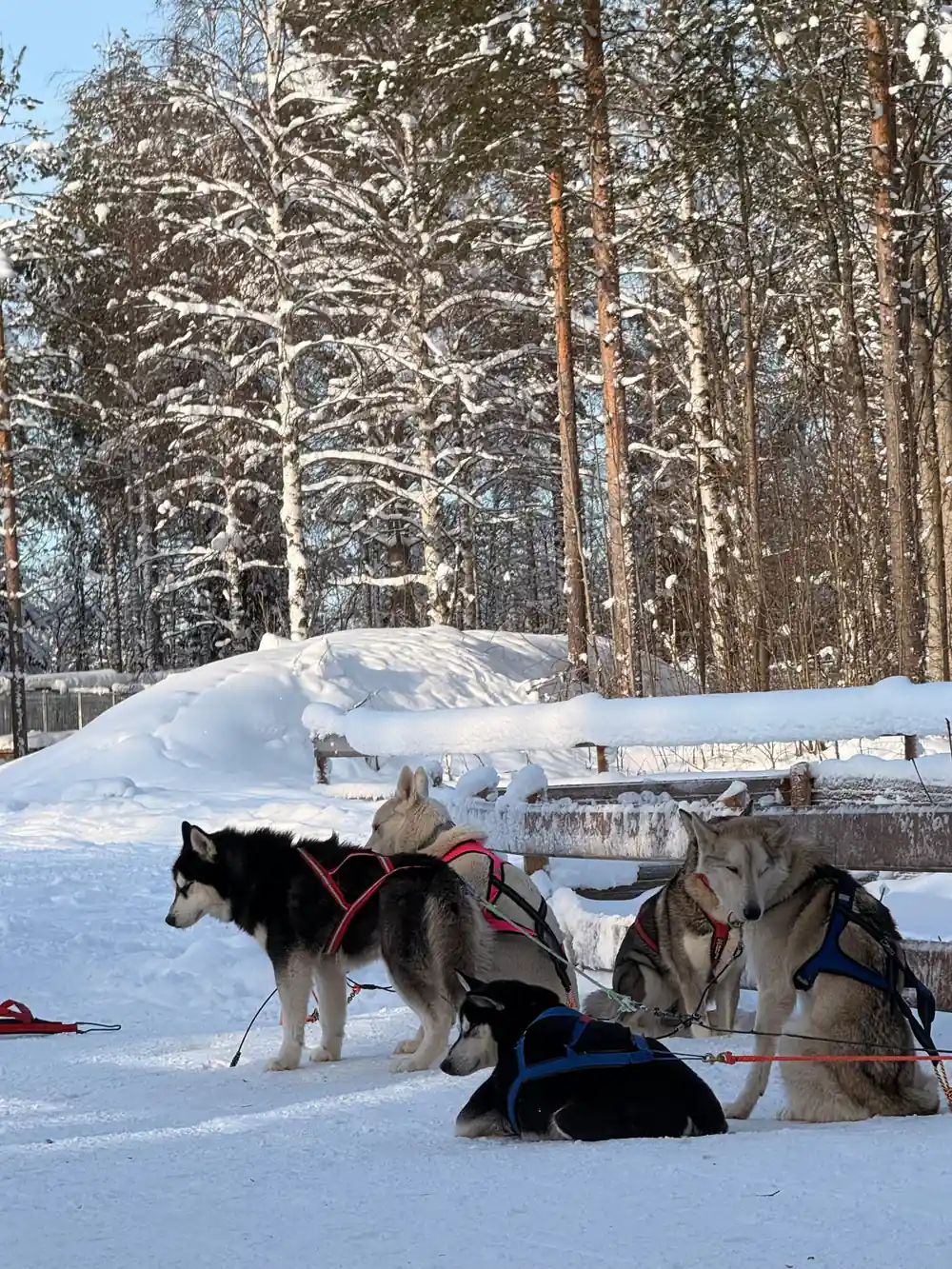
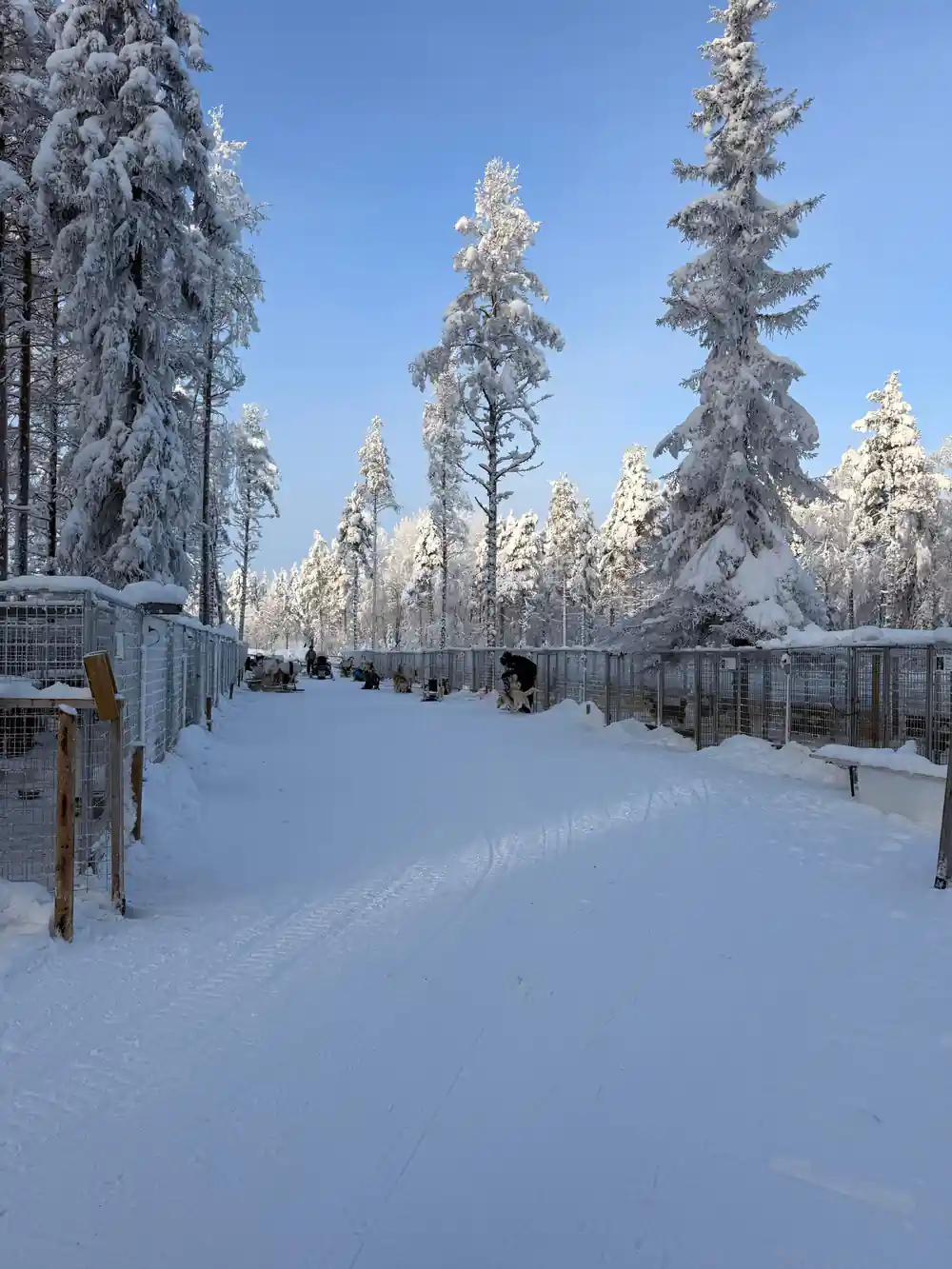
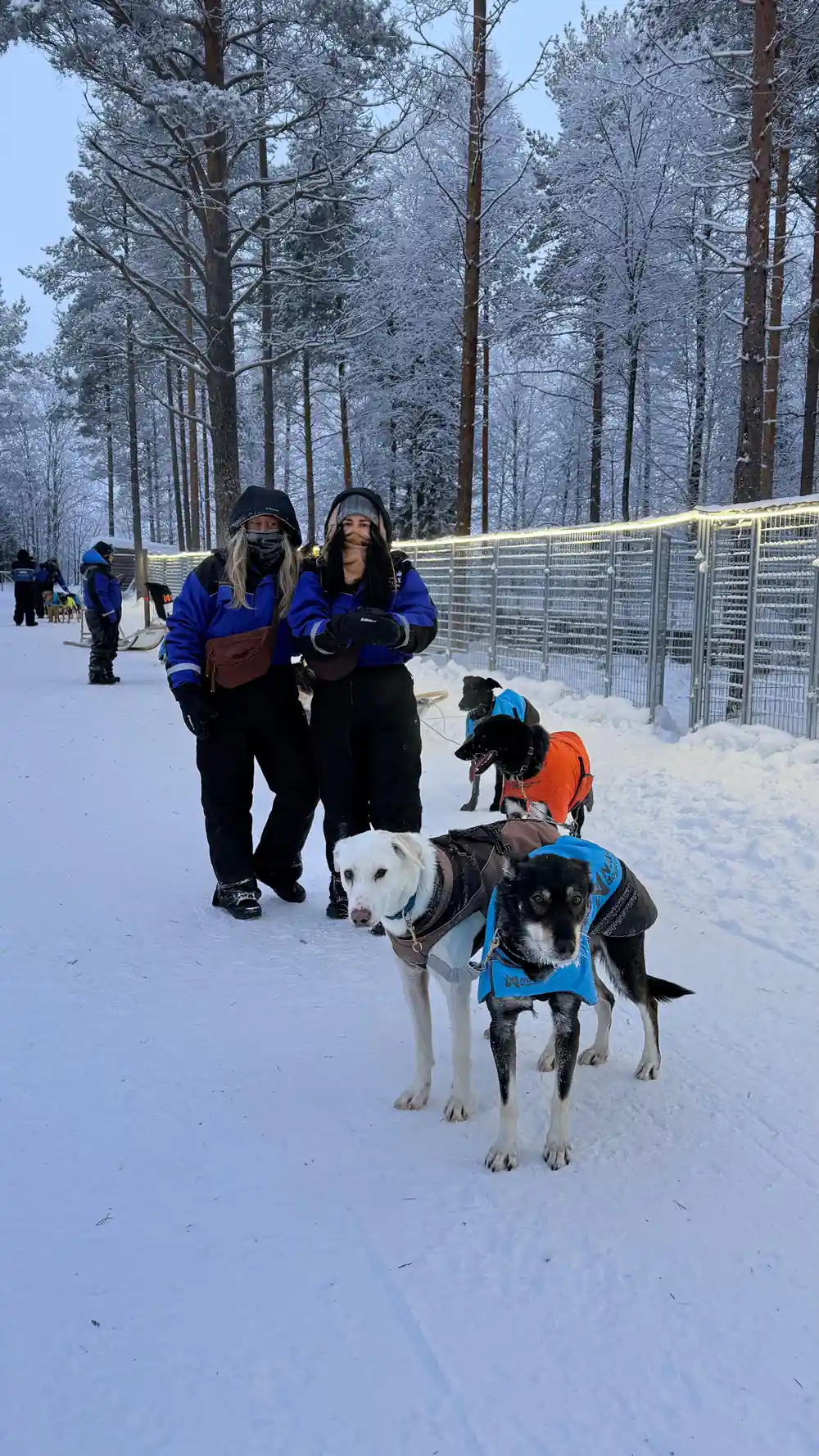
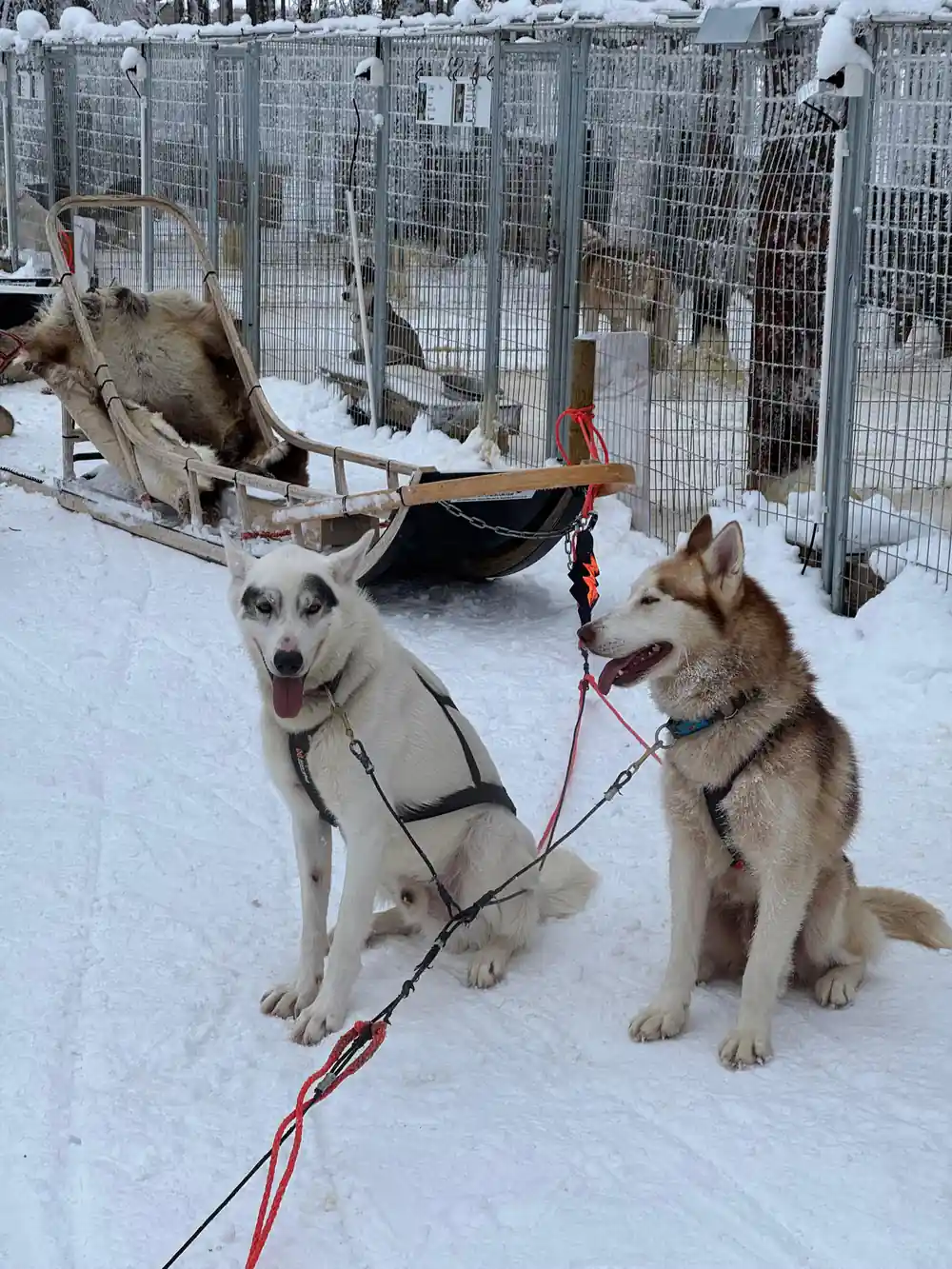
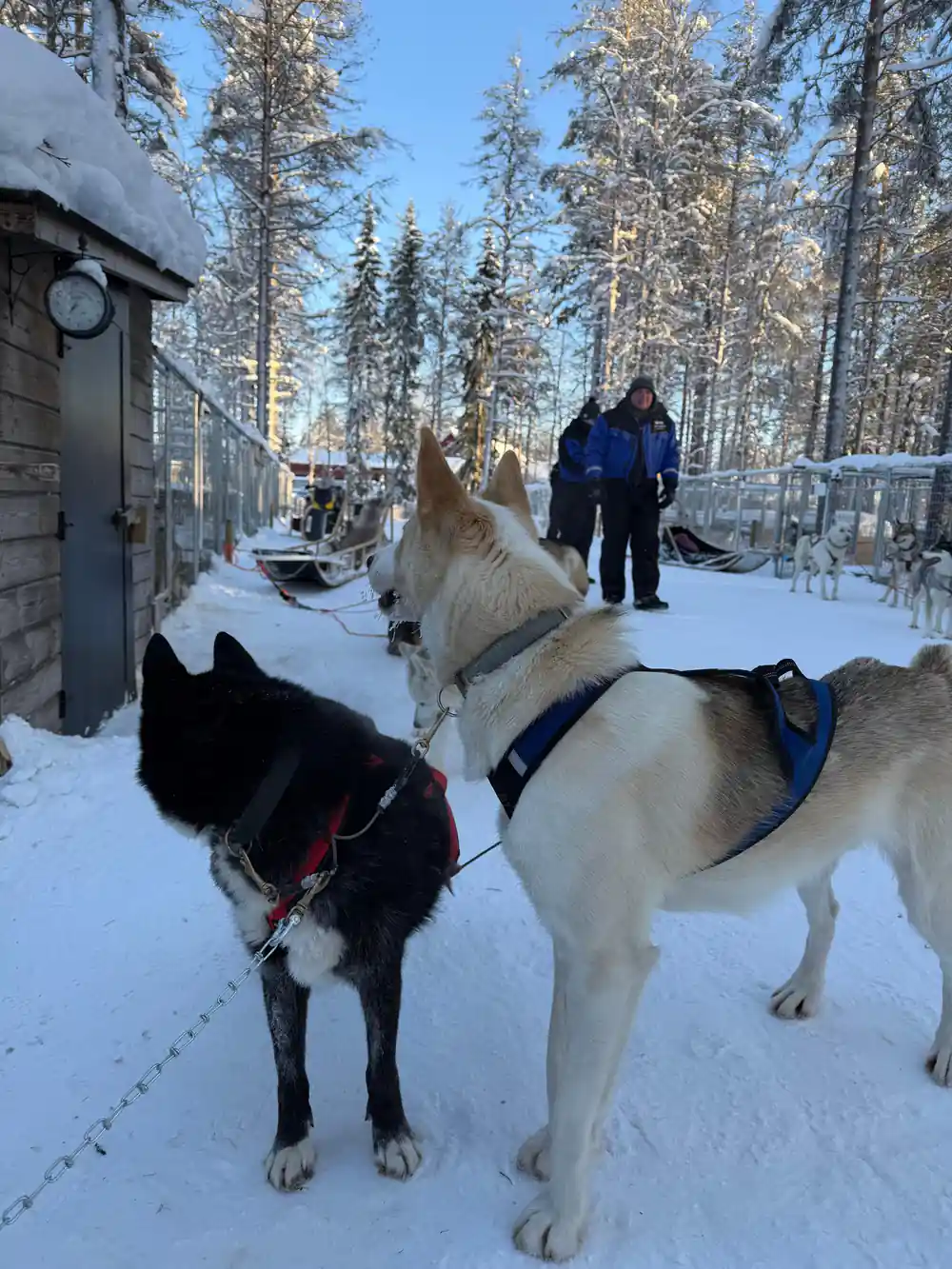
The 6 km route winds through forest and open snow fields around Apukka Resort. The most photogenic stops are typically at the turnaround point, where the team pauses and the huskies sit or lie in the snow, and at any vantage point overlooking a clear valley or frozen lake view. Ask your sled driver or handler to point out the best portrait spots and, if possible, to pause there long enough for you to compose several shots from different angles. Shooting from a low angle - kneeling or crouching in the snow - makes the dogs appear larger and more majestic, with the winter landscape as a clean backdrop.
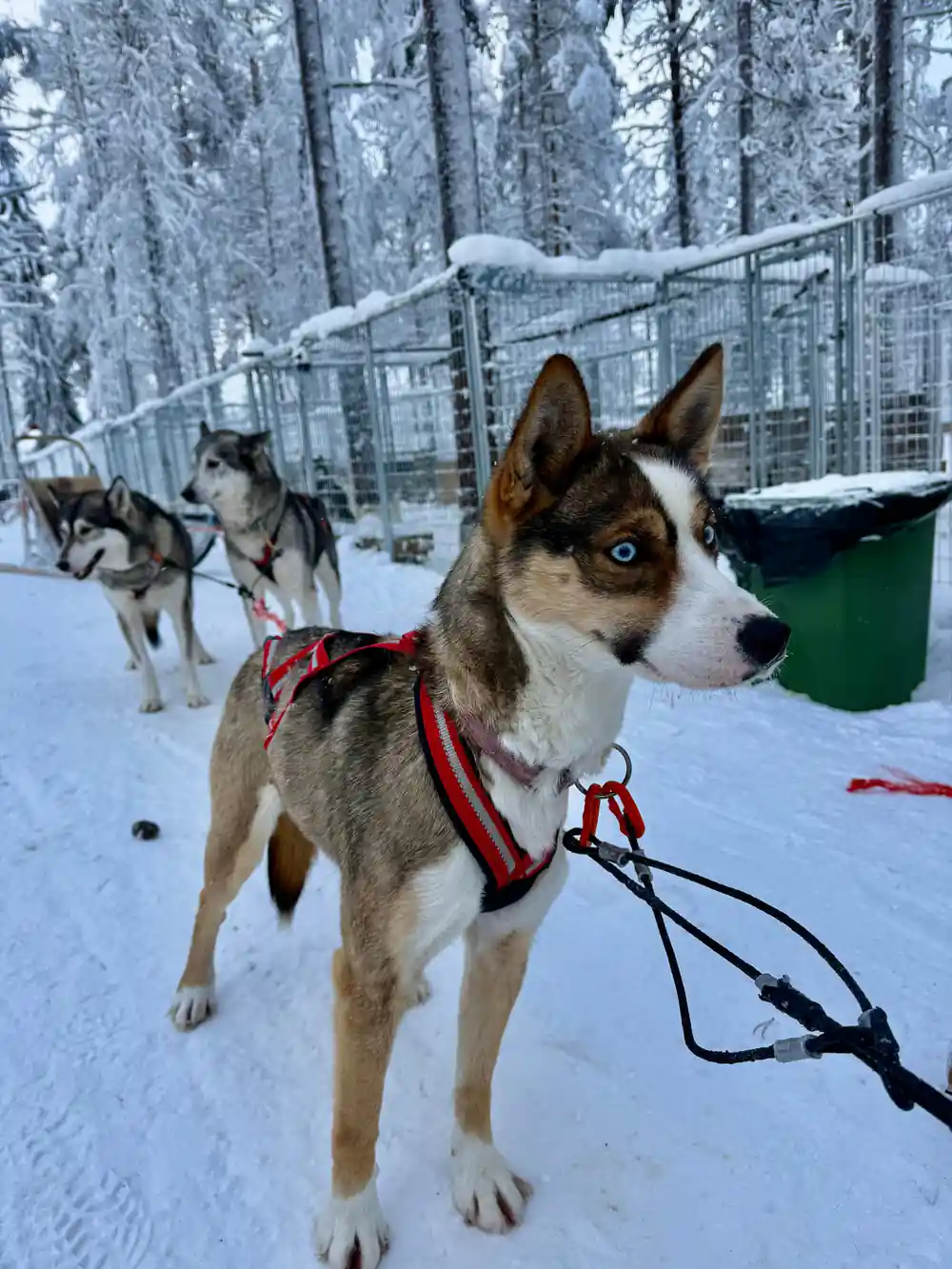
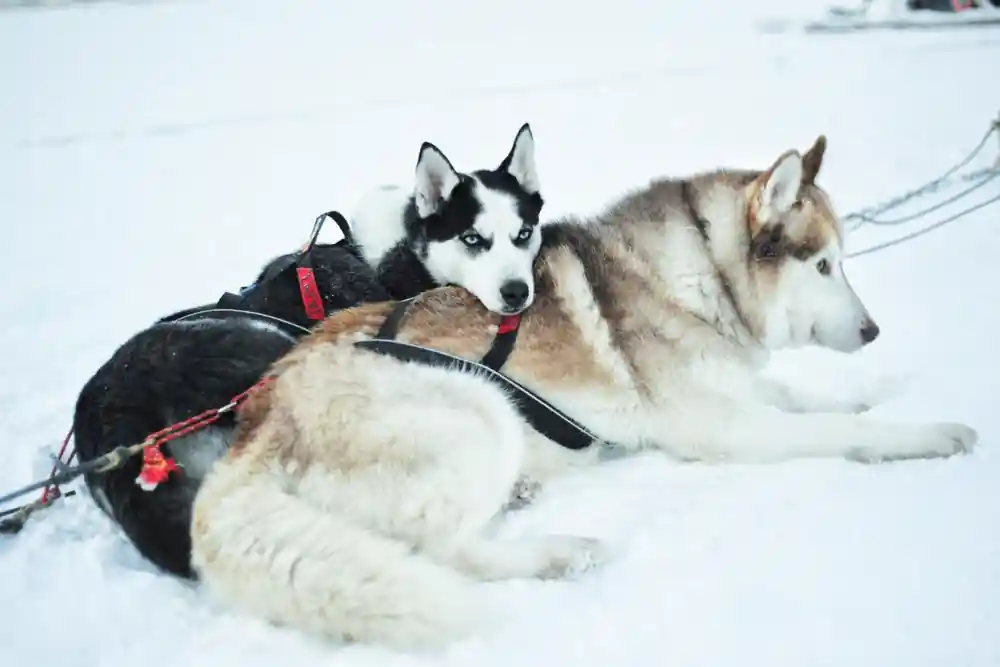
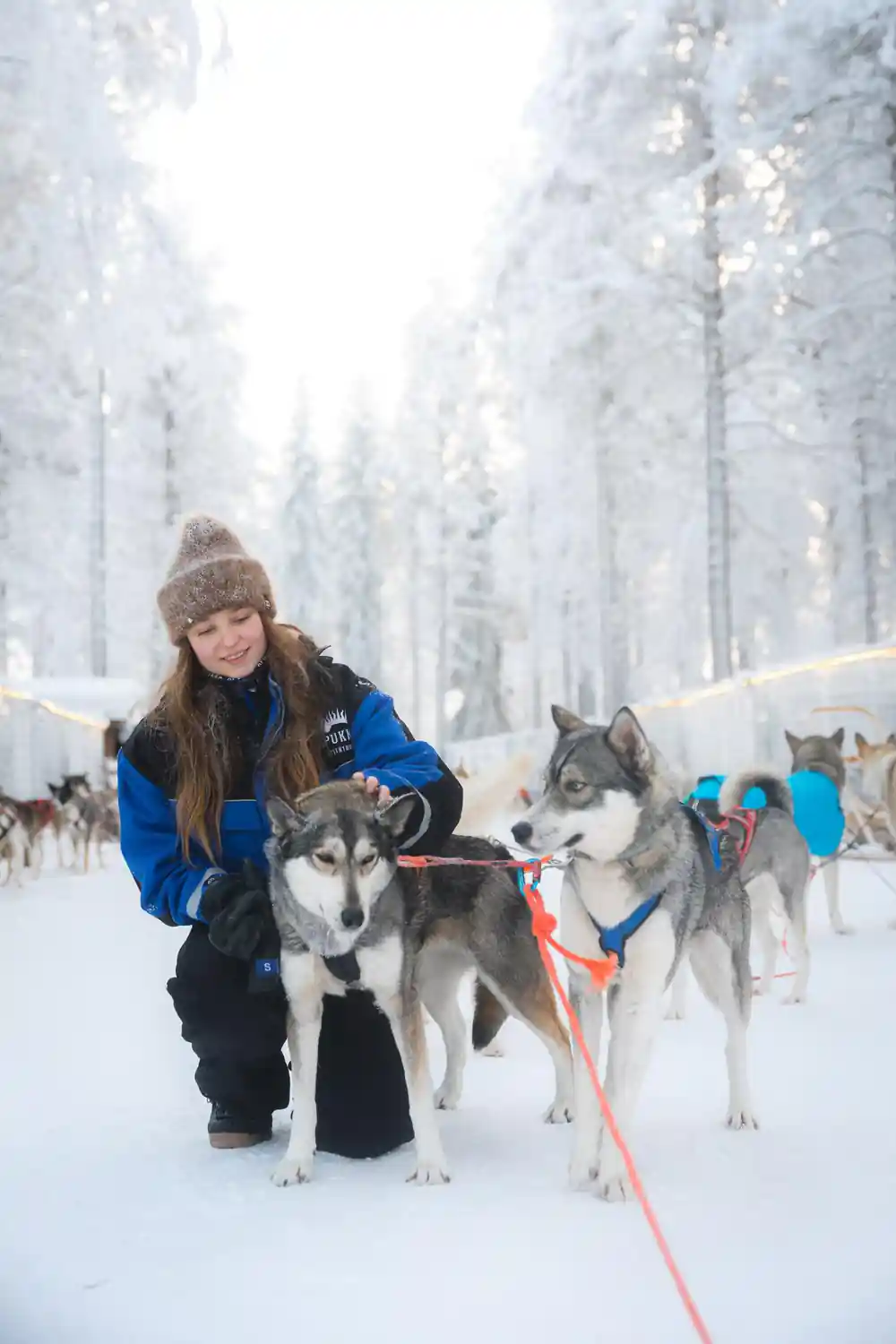
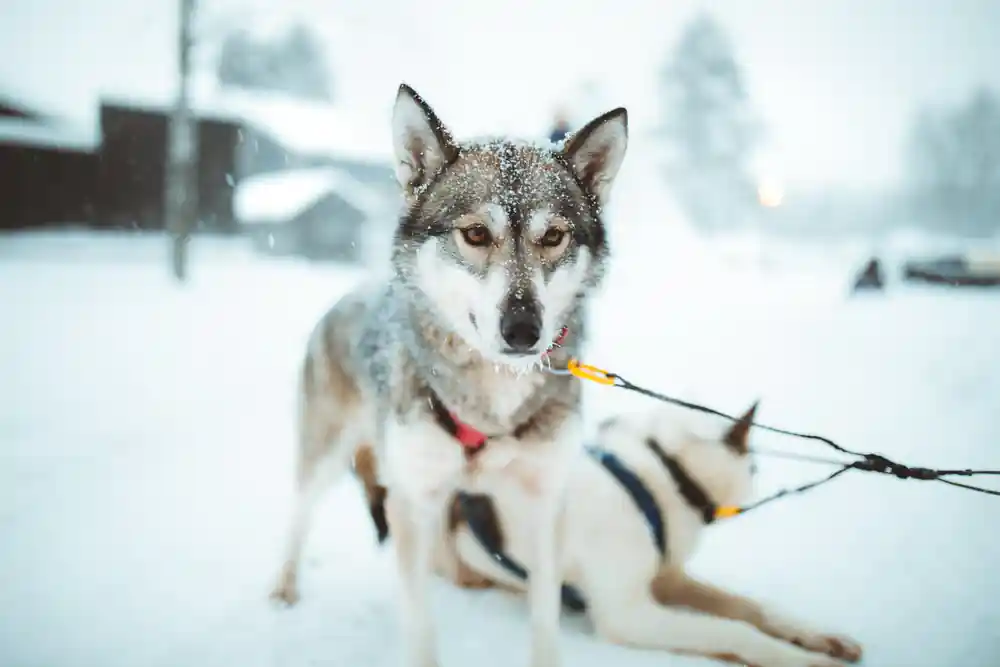
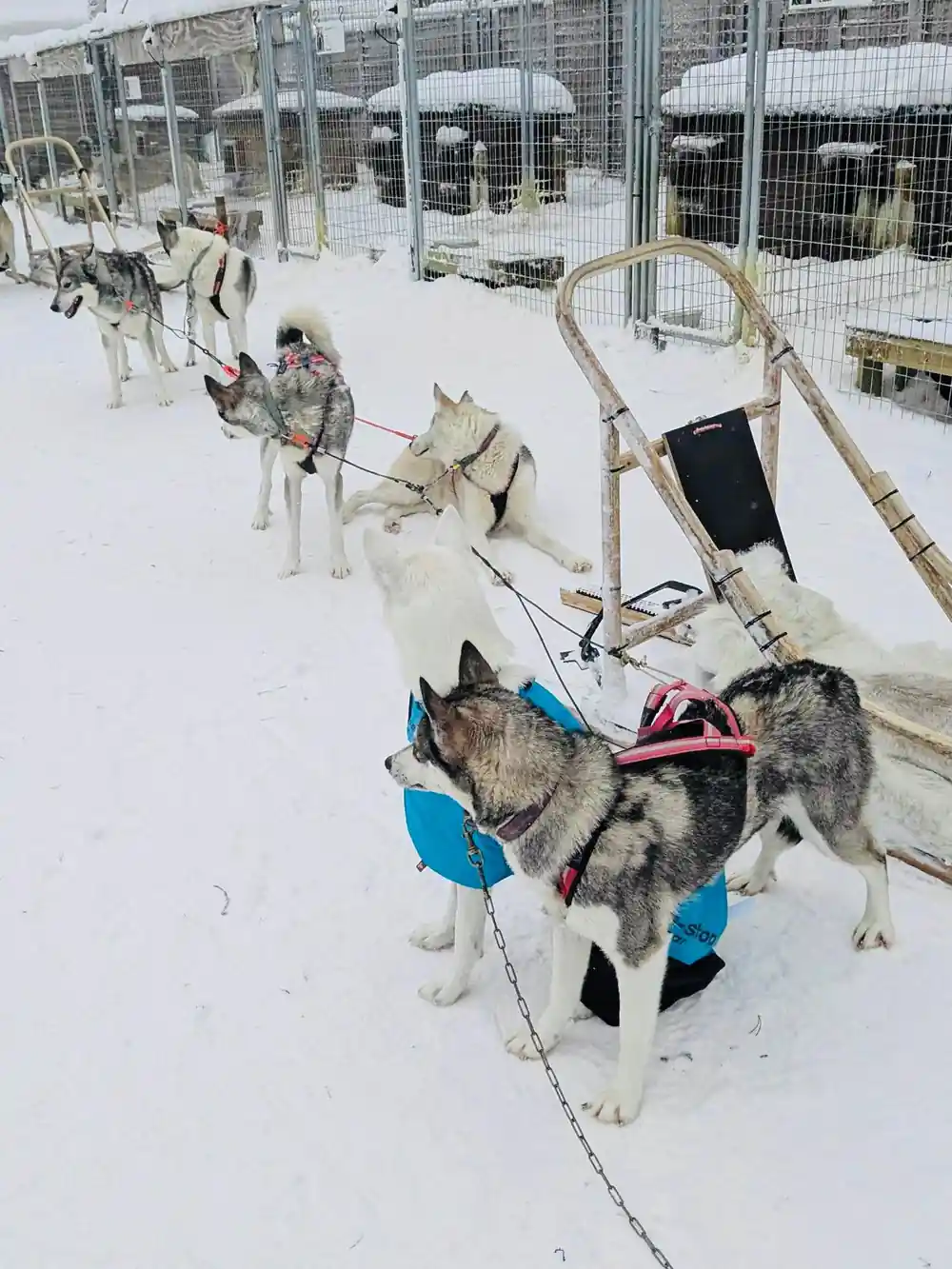
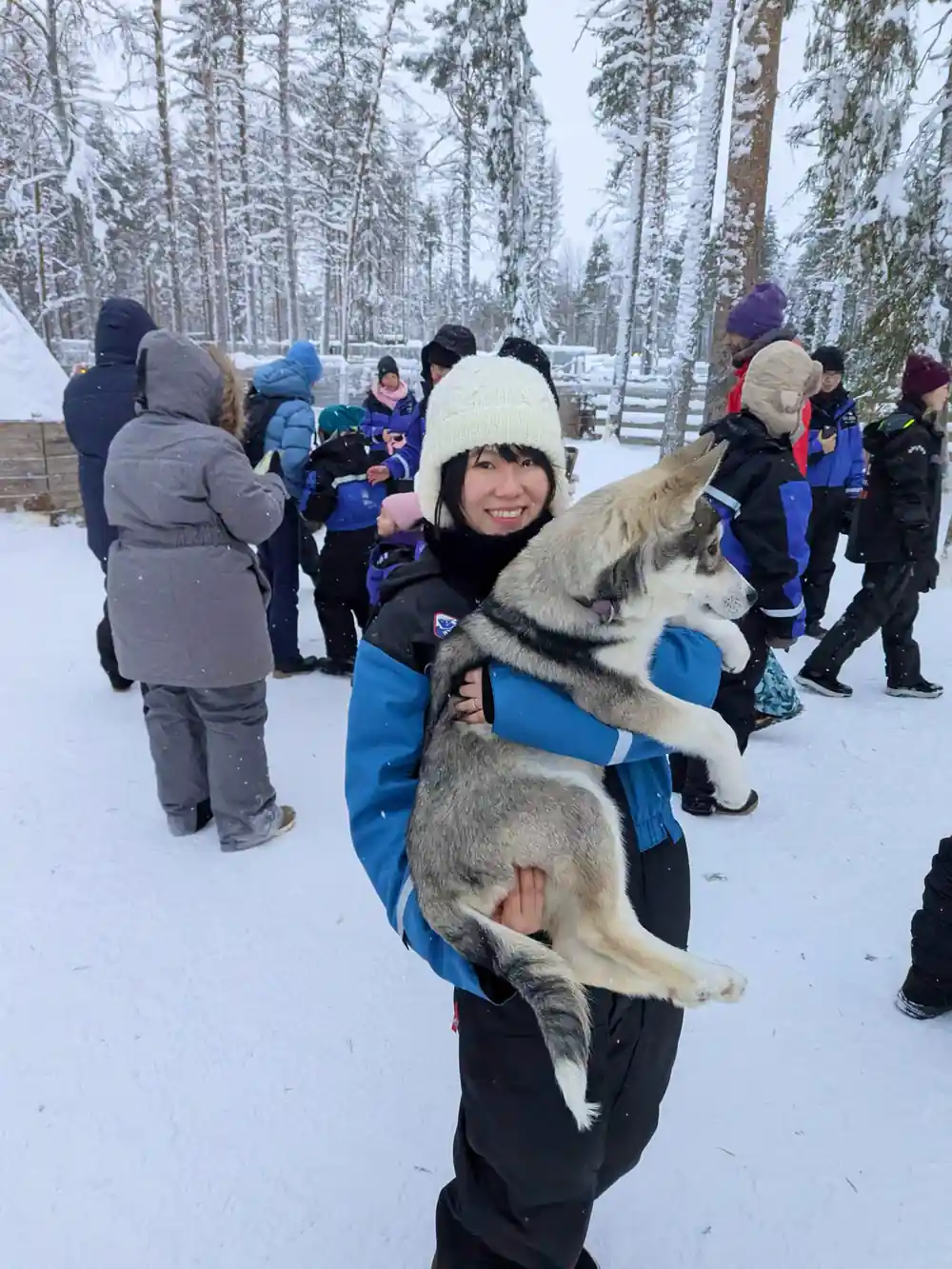
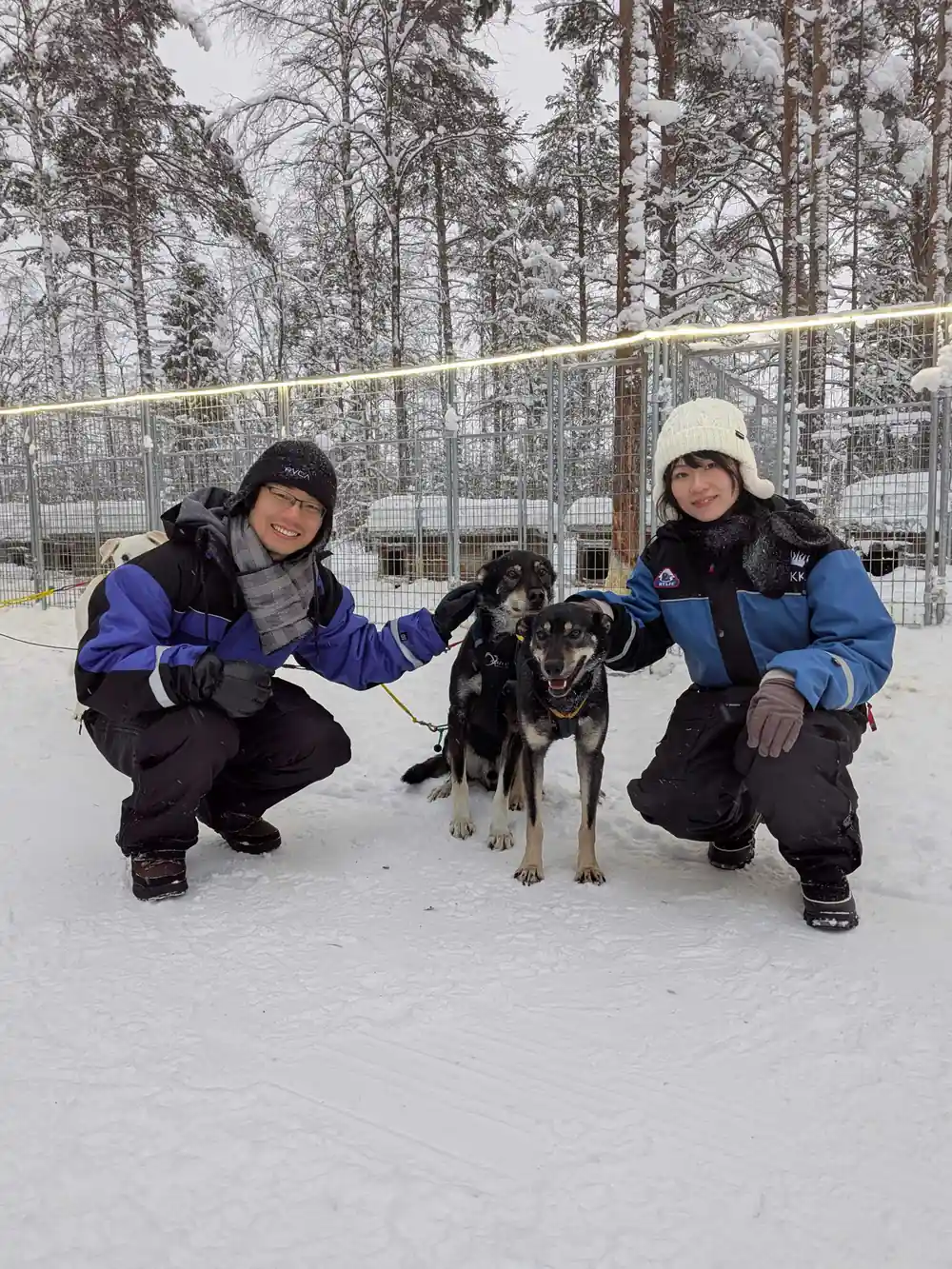
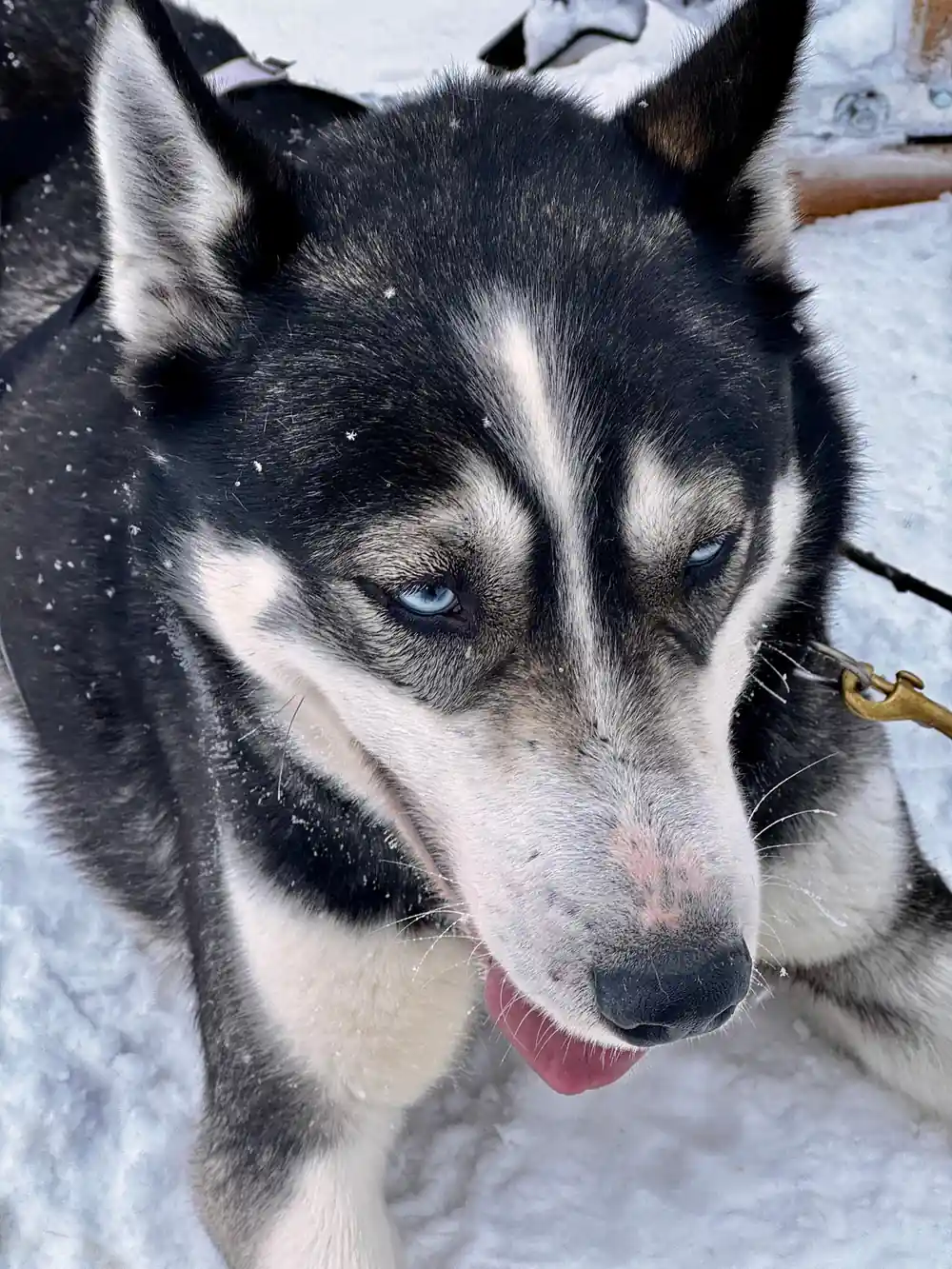
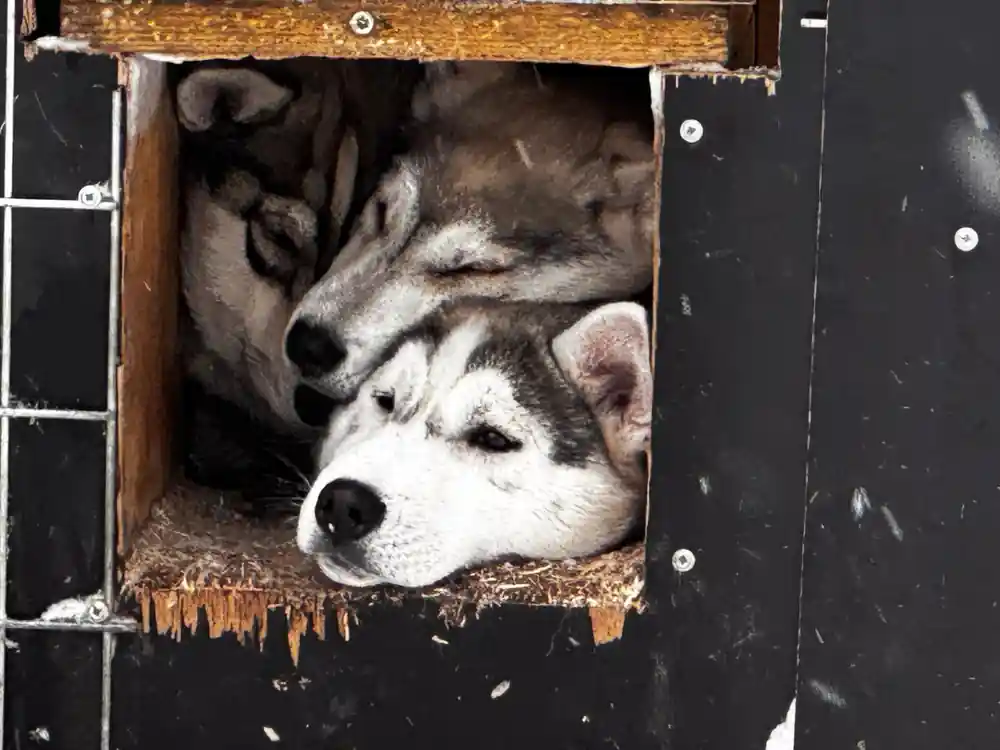
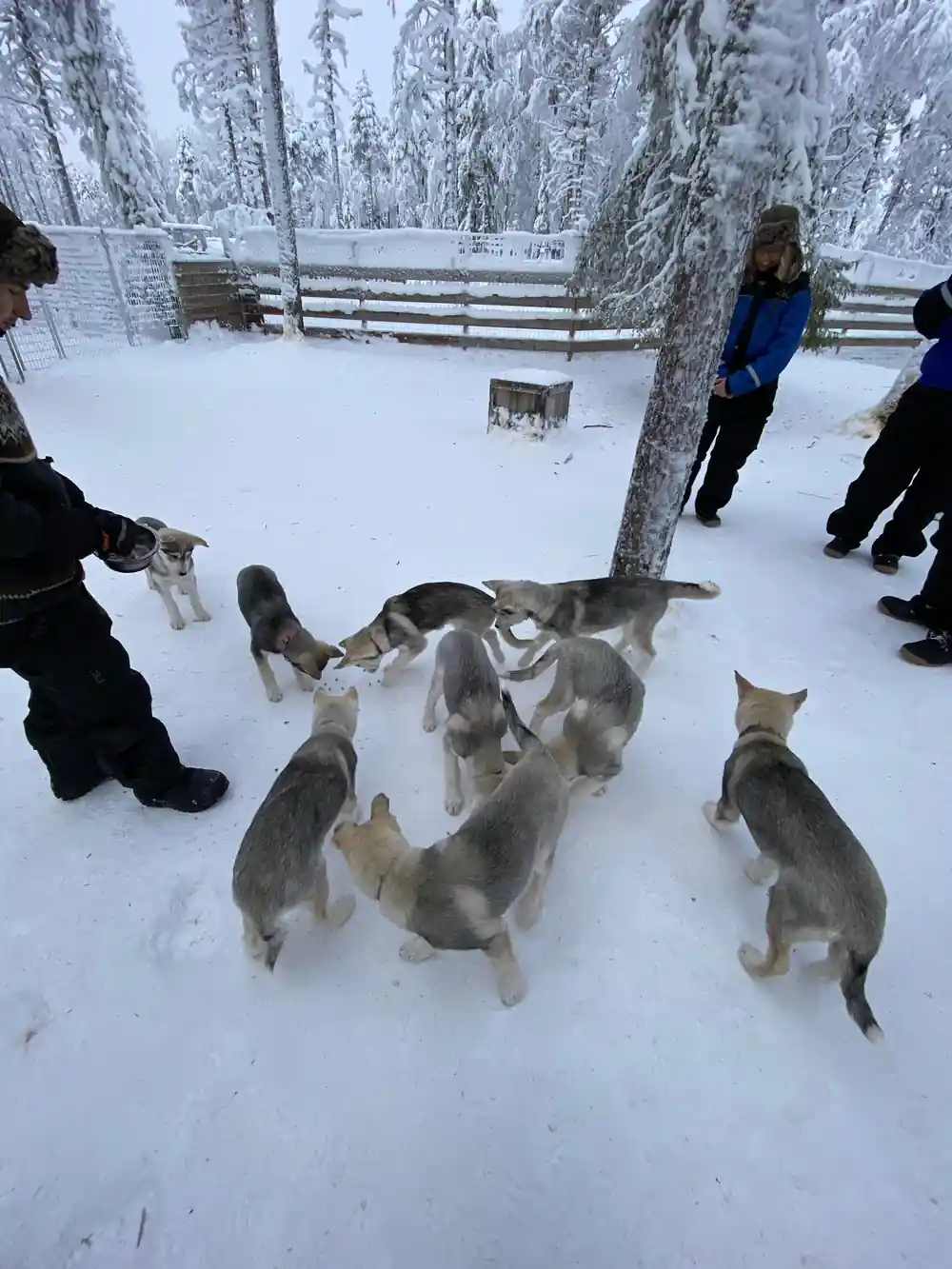
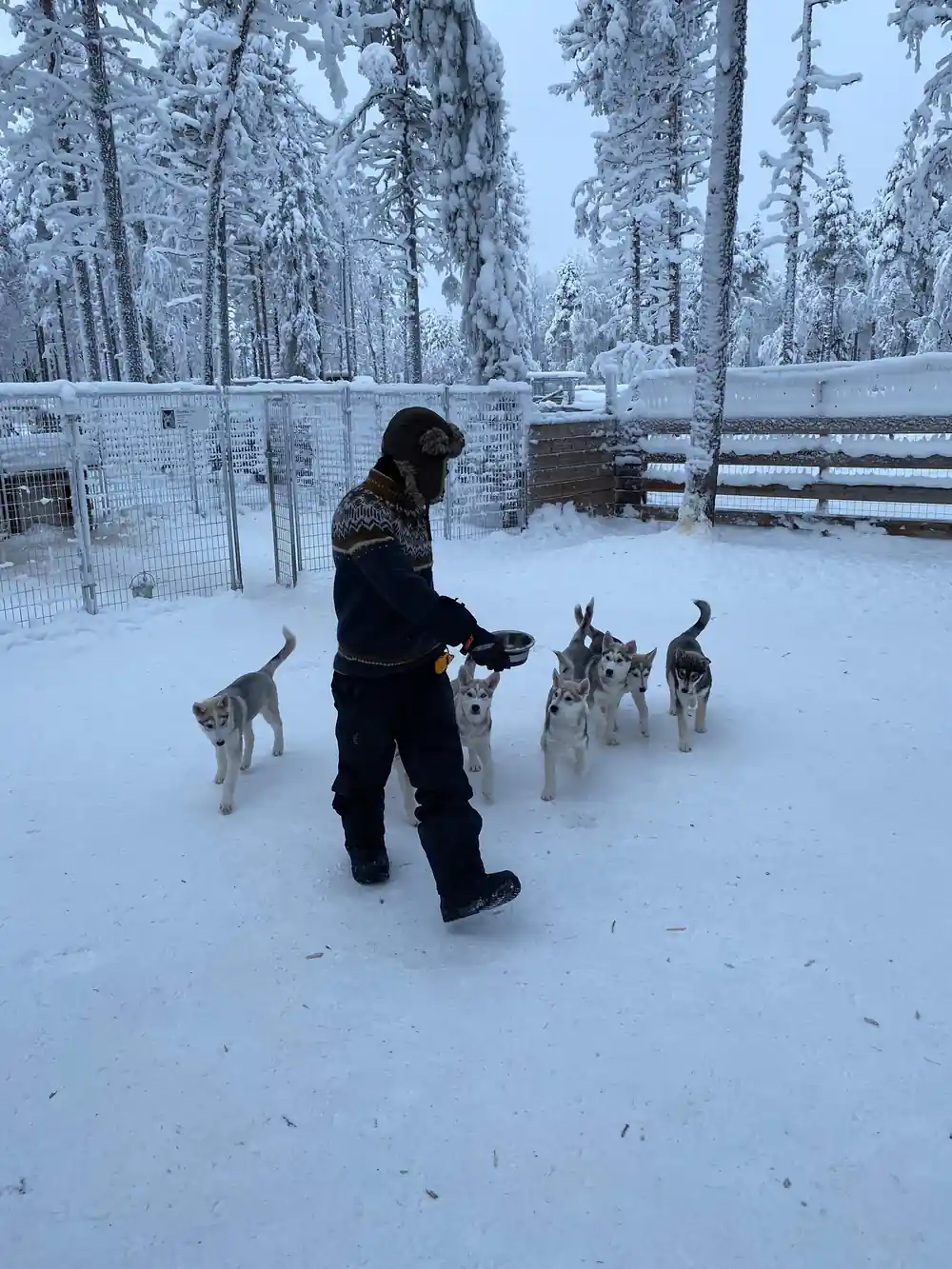
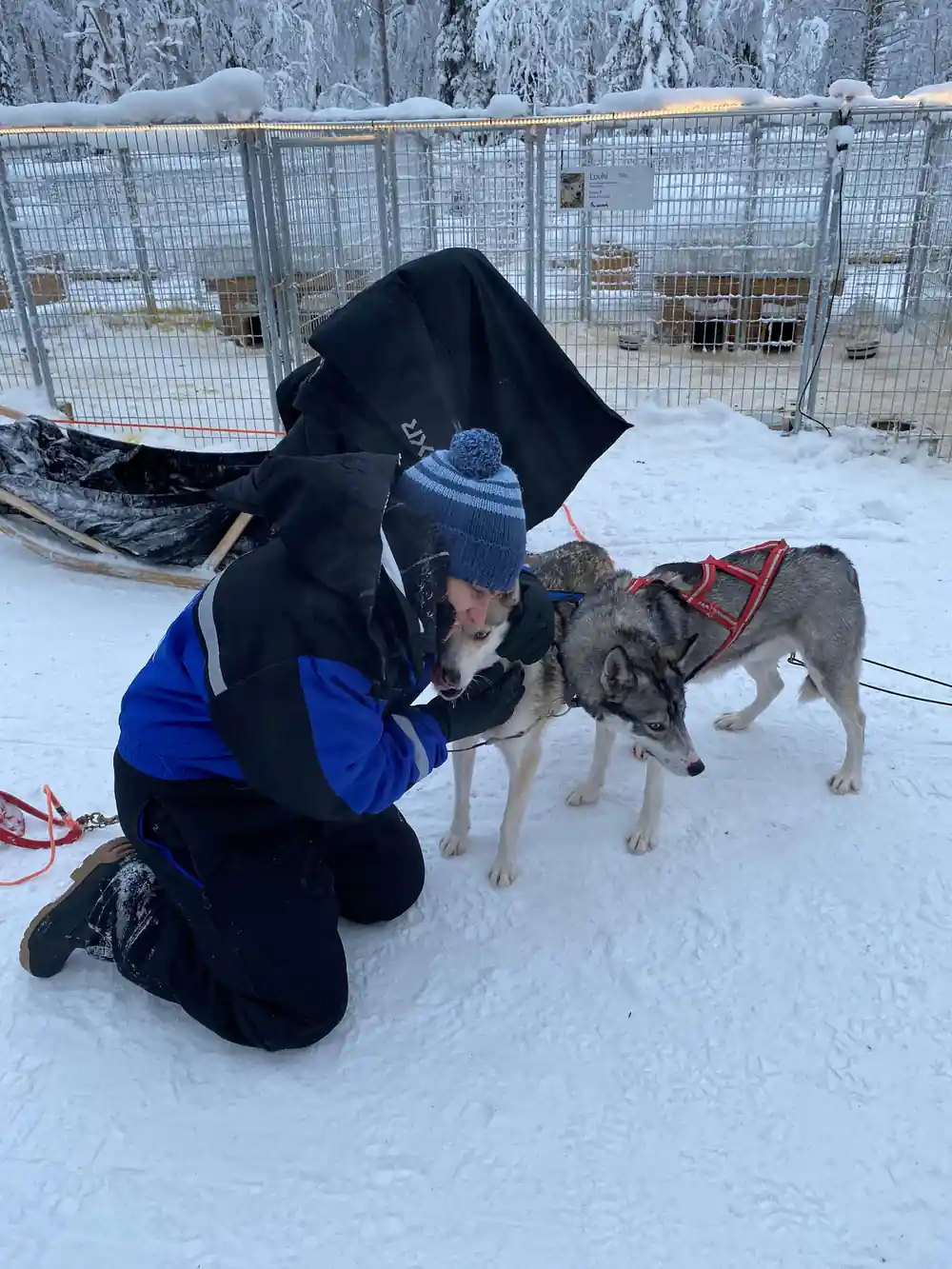
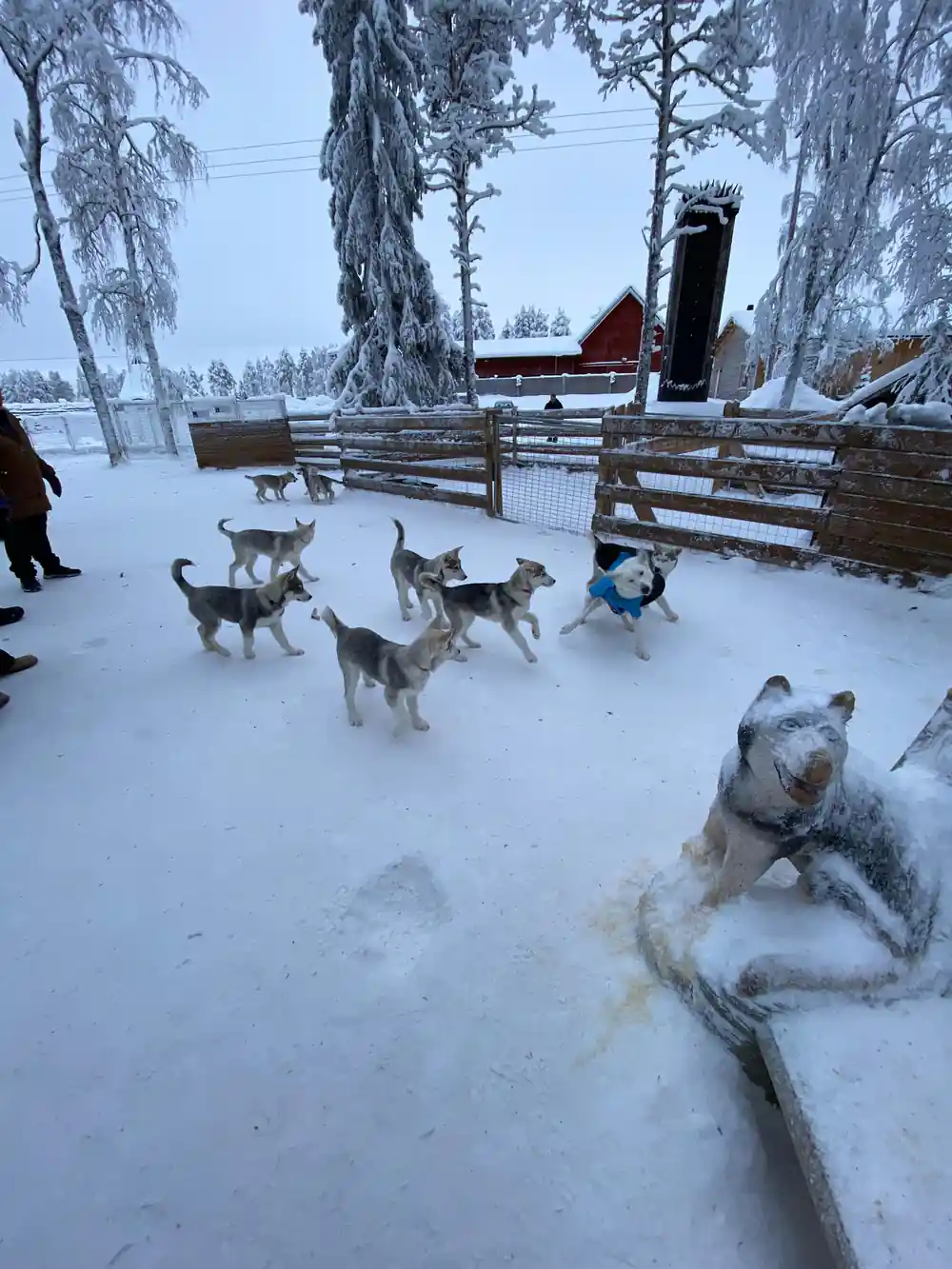
Individual huskies often have striking markings or expressive eyes; try to isolate one dog against the white snow by getting close and using a portrait setting that softens the background. The team resting during a break is also ideal for action shots: watch for moments when a dog shakes off snow, interacts with another team member, or gazes back toward you. During the petting session at Apukka (included in the tour), you'll have time to photograph the huskies up close without movement; use this window to capture clear portraits and behavioral shots that reveal the dogs' personalities.
Proposals, Photo Experiences, and Special Arrangements
If you are planning a proposal, engagement announcement, or a dedicated photography experience, contact Apukka directly before booking. While the standard 6 km husky ride is designed for groups, the team may be able to arrange a private or semi-private session that allows extra time at scenic stops or permits a photographer to accompany your group. Special arrangements usually require advance notice and may have different terms from the regular tour.
Apukka also offers opportunities to interact closely with the huskies during the petting and hot drink portion of the experience. This is the ideal time to capture authentic, intimate photographs of yourself or your companions with individual dogs. Bring a friend or hire a local photographer who knows the property to take candid shots while you focus on the ride itself. Planning ahead and discussing your photography goals with the staff when you arrive will help ensure the experience meets your expectations and gives you the images you want to remember the adventure.
Your Arctic sled photos start here
from US$253Reserve now & pay later